
Trump Expected to Name White House Economic Aide Ryan Baasch to FTC
A former Texas litigator, Baasch has taken on social media companies over content moderation.

Jericho Casper
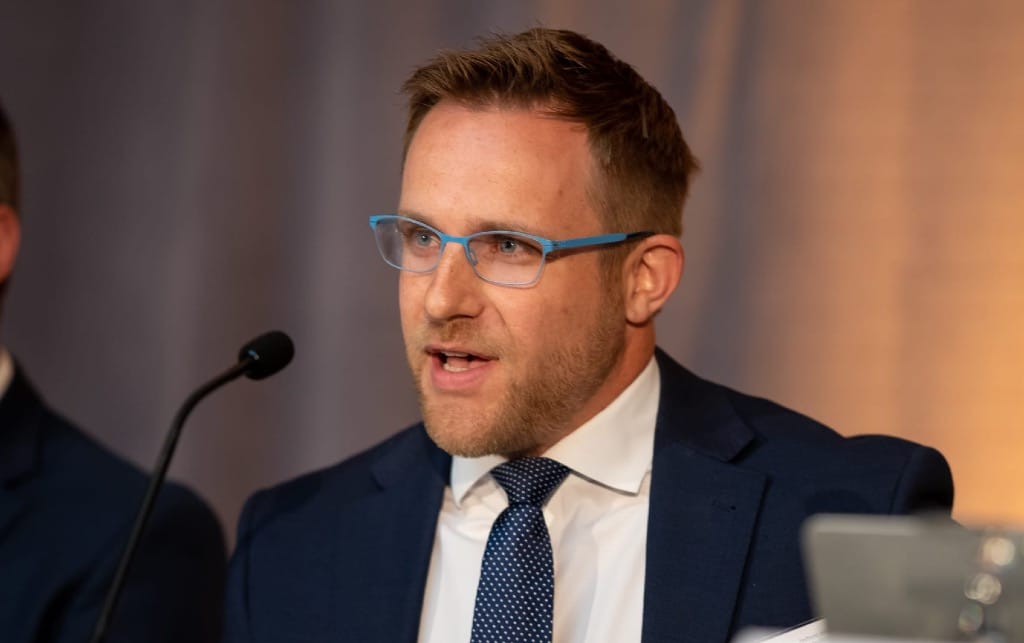
WASHINGTON, Nov. 1, 2025 — The White House’s next pick for the Federal Trade Commission built his reputation in Texas courtrooms, fighting for free speech and challenging what he describes as wrongful censorship by social media platforms.
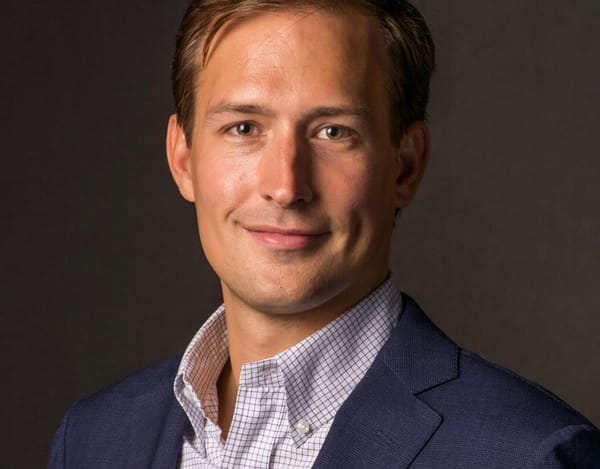
President Donald Trump was expected to nominate Ryan Baasch, a White House economic policy aide and former Texas associate deputy attorney general, to serve as a Republican commissioner on the FTC, according to a Wednesday report from Bloomberg.
If confirmed, Baasch would replace Commissioner Melissa Holyoak, who was expected to be nominated as U.S. Attorney for Utah. The appointment would preserve a unanimous group of Republicans at the agency, as well as preserving a quorum for agency action.
At the National Economic Council, Baasch focused on technology issues including artificial intelligence, space commercialization, and telecommunications networks.
Before joining the NEC on January 27, Bausch spent three years in the Texas Attorney General’s Office, where he supervised the office’s offensive civil litigation and maintained a heavy appellate caseload involving First Amendment and technology cases.
Critic of social media 'censorship'
A vocal critic of what he calls Big Tech censorship, Baasch has argued that major online platforms routinely suppress lawful political speech.
“I don’t think its disputed anymore that social media platforms frequently censor truthful speech,” Baasch said during a Federalist Society webinar in Sept. 2023.
The FTC drew similar scrutiny this year when it sought public comment on social media platforms’ content moderation practices, a move First Amendment lawyers warned could exceed the FTC’s authority.
Serving as Texas assistant solicitor general in 2022, Baasch defended House Bill 20, a state law which allowed users banned from Facebook, Twitter (now X) or any other large social media platform to sue if they believe they were banned for their political views.
The law, challenged by social media trade groups NetChoice and the Computer & Communications Industry Association, remains tied up in litigation after the U.S. Supreme Court vacated a Fifth Circuit ruling and sent the case back for further review in 2024.
“These social media platforms control the modern-day public square, but they abusively suppress speech in that square,” Baasch told judges in the U.S. Court of Appeals for the Fifth Circuit in May 2022, defending the state law.
Baasch also defended Texas AG Ken Paxton in a suit against Yelp, in which the state AG was accused of seeking to restrict the company’s free speech rights. In that case, Baasch argued that Texas law grants the state broad authority to act against any conduct that could mislead consumers.
“While at my office, Ryan delivered victory after victory in our fight against government overreach, predatory corporations, and Big Tech censorship,” Paxton said in a press release congratulating Baasch on his appointment to the NEC. “I have no doubt [he] will continue working boldly to make America great.”
During his tenure, Baasch launched the state’s data privacy enforcement team, which led Texas residents to gaining several key rights over their personal data online.
If confirmed by the U.S. Senate, Baasch would be confirmed to a seven-year term.
Trump removed Democratic commissioners
Baasch’s pending appointment comes after Trump’s removal of Democratic commissioners Rebecca Kelly Slaughter and Alvaro Bedoya in March. The Supreme Court in September granted Trump’s request to stay a lower court ruling, allowing him to immediately remove the commissioners.
The Court said it will hear arguments in December on whether to scrap Humphrey’s Executor, the 1935 precedent restricting presidents from firing independent regulators without cause.
Member discussion