
U.S. Spectrum Sharing Cast as Strategic Edge Against China
Bubley warned the United States must sell its spectrum-sharing philosophy abroad before the 2027 World Radiocommunication Conference


WASHINGTON, Dec. 18, 2025 — U.S. leadership in wireless innovation is at risk if policy makers prioritize exclusive spectrum auctions at the expense of shared and unlicensed airwaves that, two analysts said Tuesday, give the United States an advantage over China’s more state-directed model.
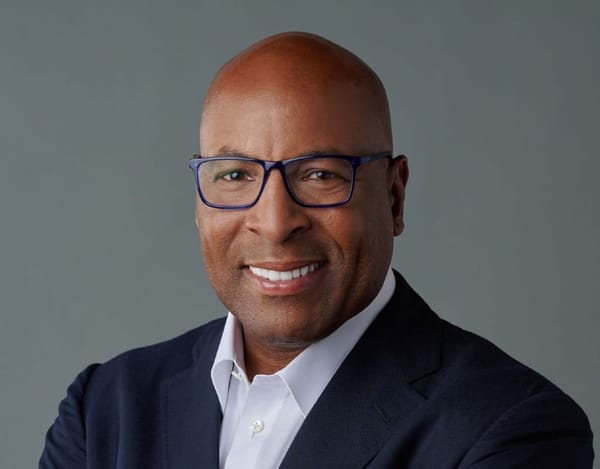
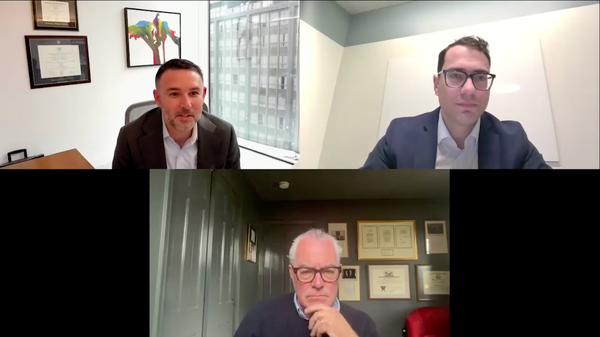
On a Tuesday Broadband Breakfast webcast, telecom analyst Dean Bubley and Spectrum for the Future policy director Dave Wright argued that Wi-Fi and the Citizens Broadband Radio Service have helped the United States lead globally by enabling broader participation, from startups to factories and ports, in ways China is less inclined to allow.
Wright said China’s approach is “tightly” controlled and oriented around a small number of state-linked carriers.
He argued Beijing is “not big” on open technologies like Wi-Fi or CBRS-style sharing because they allow organizations to deploy networks and control data flows outside centralized oversight. He pointed to concerns about Chinese telecom vendors in the U.S. and their state ties, framing spectrum policy as part of a larger competition over technology governance.
By contrast, Wright said, U.S. policy has historically left room for innovators to build without “permission,” citing unlicensed spectrum for Wi-Fi and CBRS’s dynamic sharing framework.
CBRS, located at 3.55 to 3.7 GigaHertz (GHz), uses cloud databases to assign spectrum based on location and nearby operations, an approach Wright compared to the shift from static internet protocol (IP) addresses to the Dynamic Host Configuration Protocol (DHCP).
Bubley said the United States also set a global benchmark by opening the entire 6 GHz band for unlicensed use, fueling newer Wi-Fi standards and supporting high-capacity connections inside homes and businesses. He contrasted that with Europe’s slower decision-making on the upper portion of 6 GHz and described China’s 6 GHz posture as less settled.
The discussion comes as Congress has pressed the Federal Communications Commission to restart auctions and identify 800 megahertz for sale. Bubley said there is concern that auction mandates could eventually “tread on” shared bands such as CBRS, which has become a foundation for private LTE and private 5G networks used by industrial operators.
Bubley warned the United States must sell its spectrum-sharing philosophy abroad before the 2027 World Radiocommunication Conference, scheduled for Shanghai in December 2027, where global positions could tilt toward China’s preferred model.





Member discussion