
West Virginia's BEAD Plan 94 Percent Fiber
That's the highest among states that have posted drafts of their final spending plans.

WASHINGTON, August 19, 2025 – Reports of fiber’s demise have been greatly exaggerated – at least in West Virginia.
After redoing its spending plan, West Virginia is looking to get fiber to almost all of its eligible homes and businesses under the Broadband Equity, Access, and Deployment program.
A draft of the state’s final proposal submission posted Tuesday shows more than 94 percent of West Virginia’s eligible locations are slated to get fiber, with the remainder to receive satellite service from Elon Musk’s SpaceX.

That’s the highest proportion of fiber among the three states that have published draft plans, even if it’s down slightly from the state’s all-fiber plan produced under the Biden administration. Virginia and Louisiana are both planning to get fiber to 80 percent of their eligible locations under the $42.45 billion federal program.
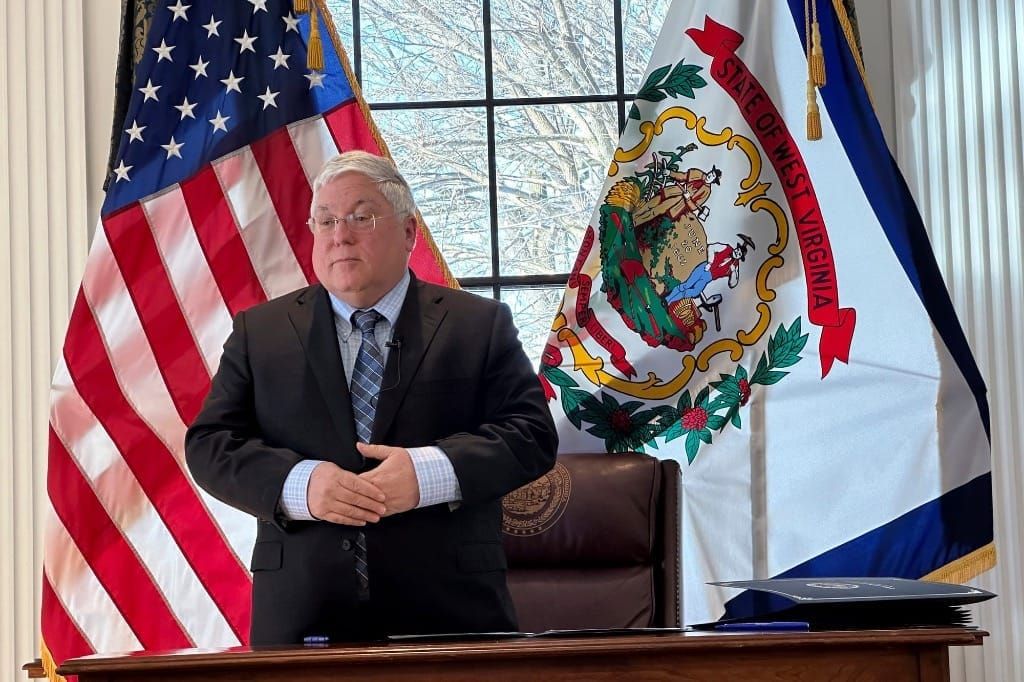
“I am pleased to share the BEAD Final Proposal with West Virginia and the nation,” West Virginia Gov. Patrick Morrisey (R) said in a statement. In a video posted by his office, Morrisey said “We’ve been having a lot of discussions with the Trump administration, and this is a big deal. We’re handling it the right way.”
A draft of the plan will be up for public comment through August 26. Then the state will submit the plan to the National Telecommunications and Information Administration for approval, the final step before state broadband offices can start funding projects under the program.
The Trump administration issued new rules for the program in June, rescinding federal approval of three states’ spending plans and mandating a new round of bidding. The new policy eliminated an explicit preference for fiber and made it easier for other technologies like satellite to compete on the basis of deployment cost, where fiber is at a disadvantage.
Cost savings were frequently cited by the Trump administration as a motivation for changing the rules, and West Virginia appears to have delivered on that front. The state’s plan would spend $625 million of its $1.21 billion BEAD allocation, plus $37 million from the Appalachian Regional Commission, down from the $946 million the state would have spent under its Biden-era plan.
The state also had fewer locations to serve – down to about 74,000 from 110,000 – which likely also helped with cost savings. Data posted by the broadband office showed most of the removed locations had either been removed from the Federal Communications Commission’s broadband map or were already served by private builds, most of which were cable.
Louisiana and Virginia also brought their spending down. The future of the savings is unclear though, as the Trump administration rescinded approval for non-deployment BEAD spending when it changed the rules in June. New guidance is expected in the future, but not every state is optimistic they’ll see that cash.
West Virginia’s broadband office said in it would respond to that upcoming guidance “with support for initiatives that will deepen the impact of these broadband infrastructure investments for West Virginia.”
The biggest winners in West Virginia were Frontier and West Virginia-based Citynet, taking home more than $200 million each. SpaceX would receive $6.3 million in BEAD support.
Musk’s satellite company has taken issue with Virgnina and Louisiana’s plans and urged the National Telecommunications and Information Administration to reject them. SpaceX says its applications were too frequently deemed not to be priority broadband projects in those states.
That determination, which gets applicants first dibs on a given area, was limited to fiber under the Biden administration, as officials determined only fiber met the statutory requirement to easily scale for future technology needs. The Trump administration asked states to make the call on an application-by-application basis, opening the door for fixed wireless and satellite projects to request the designation and, if they received it, compete on the basis of cost with fiber projects.
Data posted West Virginia showed the state did not deem SpaceX a priority applicant in any of the areas where the company won funding.
In its draft final proposal, West Virginia said that as part of its priority determination process it sought technical information from wireless applicants, including “received signal predictions, with enough granularity for location-specific results and with key assumptions stated that considered factors such as terrain, vegetation, and other clutter that commonly influence the ability of radiofrequency networks to reach individual locations.”
The state also said it factored in the local terrain, which is heavily forested and mountainous, similar to conditions that the BEAD proposal from neighboring Virginia said could have cut against wireless applicants in its analysis.





Member discussion