Wicker, Capito Introduce Bill to Ensure Use of Non-Deployment Funds

The bill would allow states to spend the money on wholesale fiber, workforce development, and mobile wireless infrastructure, among other things.

Wicker, Capito Introduce Bill to Ensure Use of Non-Deployment Funds
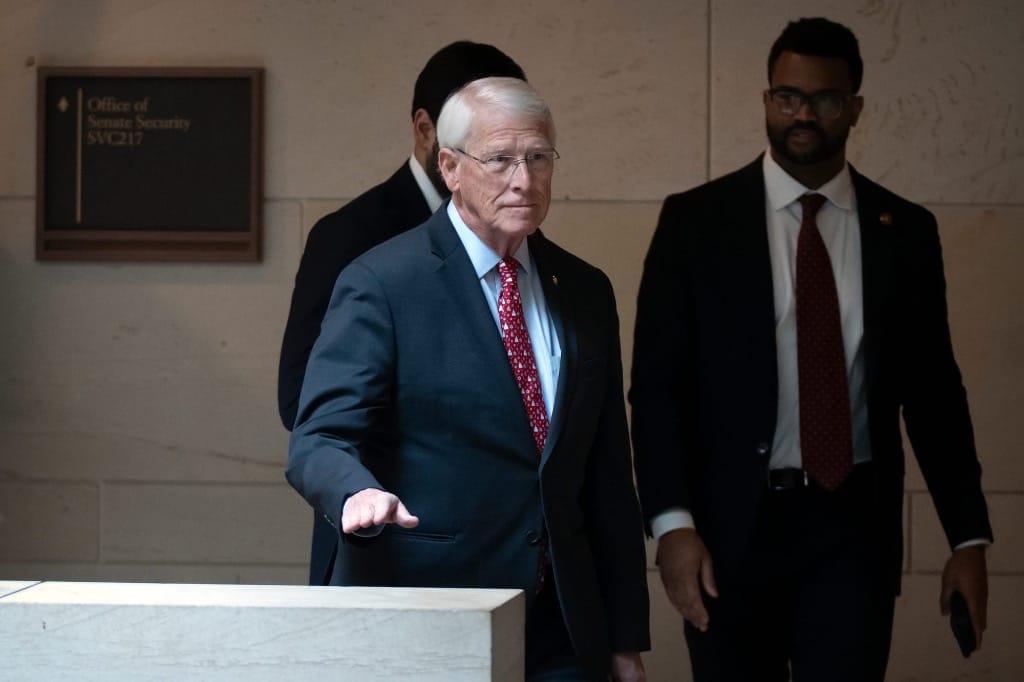
Photo of Sen. Roger Wicker, R-Miss., by Mark Schiefelbein/AP

WASHINGTON, Dec. 18, 2025 – Sens. Roger Wicker, R-Miss., and Shelley Moore Capito, R-W. Va., introduced Thursday a bill that would require states to use non-deployment funding from the Commerce Department’s $42.45 billion broadband grant program. 

The bill lays out acceptable uses of funds left over after states and territories secure broadband infrastructure grants for their eligible locations under the Broadband Equity, Access, and Deployment program. About $21 billion is expected to remain after the Trump administration updated the program's rules to focus on reducing spending.

Among the uses Wicker and Capito laid out in their SUCCESS for BEAD Act were telecom workforce development programs, wholesale fiber, internet exchange points, and mobile wireless infrastructure, and other things. 

Efforts to promote broadband adoption and to provide subsidized devices, specified as allowed uses in the law that created BEAD and something many states had been planning to fund under the Biden-era rules, were not on Wicker and Capito’s list. Data center construction was explicitly prohibited. 

Like the Infrastructure Law, their bill gave room for the National Telecommunications and Information Administration to add additional allowed uses.

States “shall use all remaining amounts,” meaning money not used for broadband deployment projects, “to establish a competitive subgrant program to support 1 or more eligible projects” under the act, the bill said. States with workforce development boards could award funds to those entities without a bidding process.

The bill said NTIA would have 30 days from the date it’s enacted into law to provide guidance for states on how to implement the legislation.

The two senators were some of the first Republicans to publicly say they wanted their states to hang on to their full BEAD allocations, although this week more have joined in. When the NTIA updated the program’s rules in June, it rescinded approval for any non-deployment activities and said more guidance on the issue would come later. 

“This bill is the next phase of target broadband projects in America’s heartland,” Wicker said in a statement. “Local leaders know best how to utilize these funds. We should give them the flexibility to ensure these federal investments provide adequate connection for every Mississippian as soon as possible.”

Broadband industry groups are supportive

Broadband industry groups USTelecom and the Wireless Infrastructure Association, joined Wicker and Capito’s release and said they supported the bill.

“Once a state completes its deployment plan, any remaining funds should be put to work advancing the security, resilience, and long-term performance of our communications networks – especially as connectivity becomes more central to public safety, economic growth, and U.S. technology leadership,” USTelecom CEO Jonathan Spalter said in his statement. “We look forward to working with Senators Wicker and Capito and all of Congress to advance this important legislation and ensure non-deployment BEAD dollars result in more secure, resilient, and reliable networks for decades to come.”

States were at first not optimistic they would ultimately see much of their non-deployment money, but NTIA Administrator Arielle Roth said earlier this month the agency was “operating under the assumption” that states would be able to use the cash, and had suggested she would support putting some of it toward permitting reform.

That appeared to be good news for the prospects of state broadband offices accessing the money, which they would prefer to do, but President Donald Trump signed an executive order last week seeking to potentially withhold the money from certain states.

The order directs Roth and NTIA to produce within 90 days a policy notice saying states with “onerous” laws on AI companies are ineligible for their non-deployment money. 

Policy experts said last week that the notice could be vulnerable to legal challenges, depending on how the restriction was justified in relation to BEAD’s purpose of expanding connectivity. But they said states weren’t certain to litigate, and might favor quicker access to money over time-consuming lawsuits.

Member discussion

Popular Tags