Workforce Shortages Threaten BEAD Deployments: Broadband Breakfast Panelists
Workforce development experts warn that critical shortages could significantly slow the nationwide deployment of broadband.
Broadband Breakfast
WASHINGTON, Jan. 15, 2026 — As states move forward with deploying billions in federal broadband funding, workforce development experts warned Wednesday that critical labor shortages threaten to slow infrastructure buildout across the country.
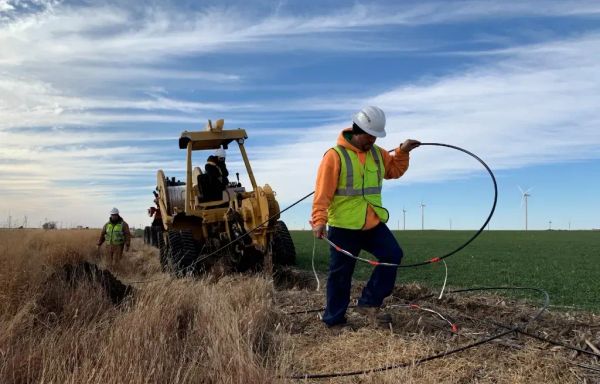
During a Broadband Breakfast Live Online webcast, panelists highlighted significant gaps in skilled tradespeople needed for fiber optic installation, construction and network maintenance, jobs that require training beyond high school but not a four-year degree.
"The gaps are among those skilled tradespeople," said Caroline Treschitta, senior government affairs manager at National Skills Coalition. "We have a lot of folks who have a four-year degree in advanced mechanics and advanced engineering, but it's those skilled training for broadband installation like fiber optic technicians, construction workers, etcetera. Those are where some of the critical gaps are," she said.

Broadband BreakfastBroadband Breakfast
Treschitta noted that challenges are particularly acute in rural areas where much of the broadband deployment will occur. She emphasized that workforce training is an allowable use of funds under the Commerce Department’s Broadband Equity, Access and Deployment program, which allocated $42.5 billion to states for infrastructure deployment.
The Telecommunications Industry Association launched its Broadband Nation initiative to address awareness gaps about careers in the sector, according to Melissa Newman, TIA's vice president of government relations.
"We saw a need for having better marketing that these are really good, really solid careers, and we wanted to raise awareness of the jobs and training programs and career-focused opportunities that individuals could get," Newman said. The initiative's website serves as a clearinghouse for state-specific job opportunities and training programs.
Newman emphasized the importance of matching candidates' interests with available positions. "It's matching people's interests and their talents with these jobs," she said.
The Trump administration’s decision to withhold $2.75 billion in Digital Equity Act funding has complicated workforce development efforts, Treschitta said. States had planned to coordinate digital skills training with broadband deployment initiatives.
"That was a real shame, and it's really going to hinder — it was a great opportunity for states to develop their digital equity skills workforce hand in hand with this broadband deployment fund," Treschitta said.
Role of artificial intelligence
Artificial intelligence is creating additional workforce demands in the telecommunications sector. Newman cited research from the AI Workforce Consortium showing that 78% of information and communications technology roles now require AI-related skills.
"There is no doubt this is incredibly important, and I think companies and the government is recognizing that," Newman said, noting that public investment in community colleges and vocational training can help mid-career professionals transition into AI-enabled telecommunications roles.
Panelists highlighted successful state approaches to workforce development. Treschitta praised Wisconsin's coalition-building approach, which brought together industry associations, technical colleges, labor groups and employers to demonstrate labor needs and secure funding commitments.
Both experts emphasized the importance of partnerships between broadband offices, workforce development agencies, community colleges and employers to build sustainable training pipelines.
The National Skills Coalition is advancing federal legislation, the Digital Skills for Today's Workforce Act, that would reauthorize the workforce development system to include dedicated funding for digital skills training.
A bipartisan Digital Skills for Today’s Workforce Act has been introduced by Sen. Tim Kaine, D-Va., with a companion bill of the same name introduced by former Rep. Abigail Spanberger, D-Va, who resigned from the House and is scheduled to be sworn in as governor of Virginia on Saturday, Jan. 17, 2026.
Member discussion