Broadband Breakfast on July 1, 2026 - 1977-2026: Computing, the Internet and Artificial Intelligence
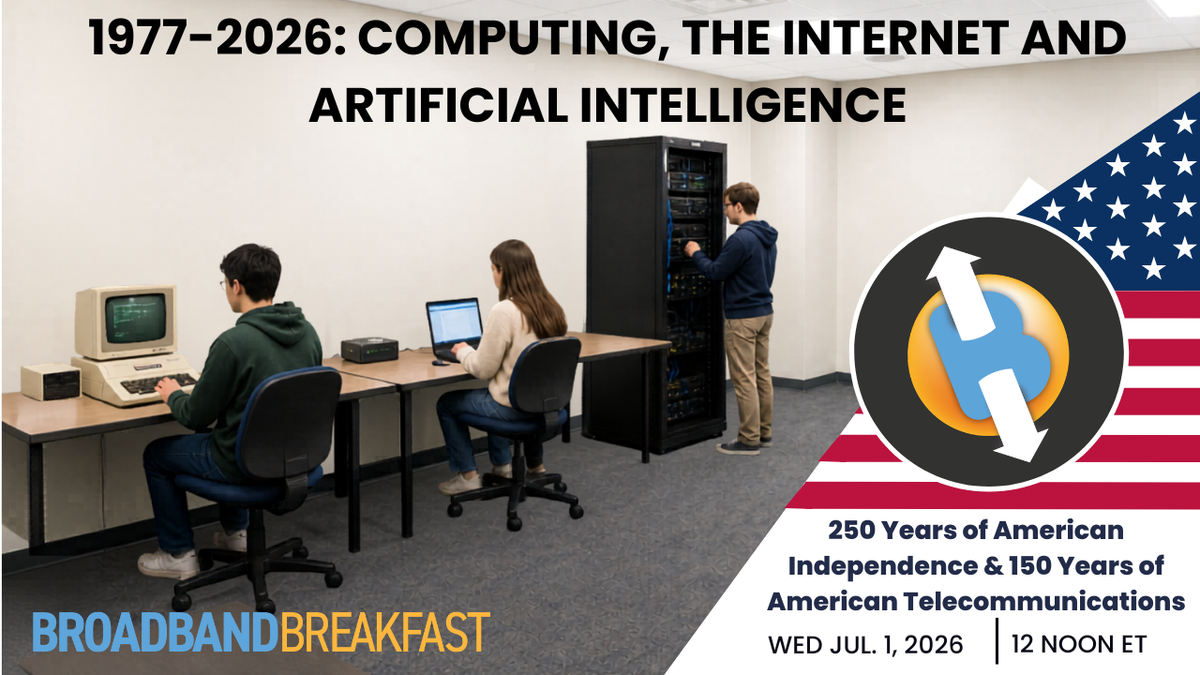
The final installment of Broadband Breakfast's three-part series covers 1977–2026, when computing, the internet, and artificial intelligence reshaped American life.

Highlight Reel:
Full Video:
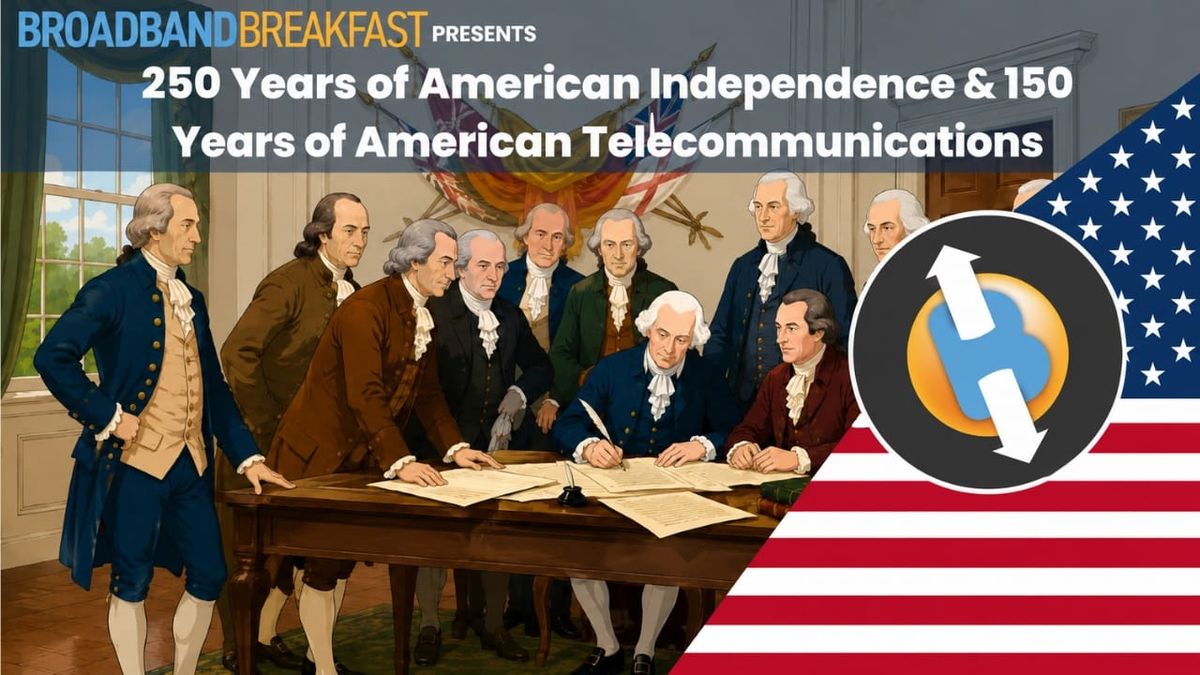
At the 200th anniversary of American Independence 50 years ago, the personal computer was a hobbyist's curiosity. Today, artificial intelligence drafts our emails, writes our code, and reshapes entire industries overnight. To close out Broadband Breakfast's series celebrating 150 Years of American Telecommunications, we trace the breathtaking arc from the Apple II computer, the breakup of “Ma Bell,” the transition from the ARPANET to the commercial Internet, including the World Wide Web, the smartphone revolution and the generative AI boom now testing the limits of policy, infrastructure and even human imagination. Key inflection points along the way include the 1996 Telecommunications Act, the dot-com era, the rise of broadband and big tech, net neutrality battles and the explosion of large language models in the ChatGPT era. Our experts will debate what this fast-paced half-century tells us about innovation cycles, regulatory lag, and the next 150 years of American Telecommunications.
 Broadband Breakfast
Panelists
- Vint Cerf, Vice President and Chief Internet Evangelist, Google; co-designer of the TCP/IP protocols and the architecture of the internet, and recipient of the Turing Award and the Presidential Medal of Freedom
- Lawrence Lessig, Roy L. Furman Professor of Law and Leadership, Harvard Law School; co-founder of Creative Commons and author of Code and Other Laws of Cyberspace and Free Culture
- Reed Hundt, CEO of ReFounding America, Former FCC Chairman, 1993-1997
- Shane Greenstein, Martin Marshall Professor of Business Administration, Harvard Business School; economist of the internet and author of How the Internet Became Commercial
- Drew Clark (moderator), CEO and Publisher, Broadband Breakfast
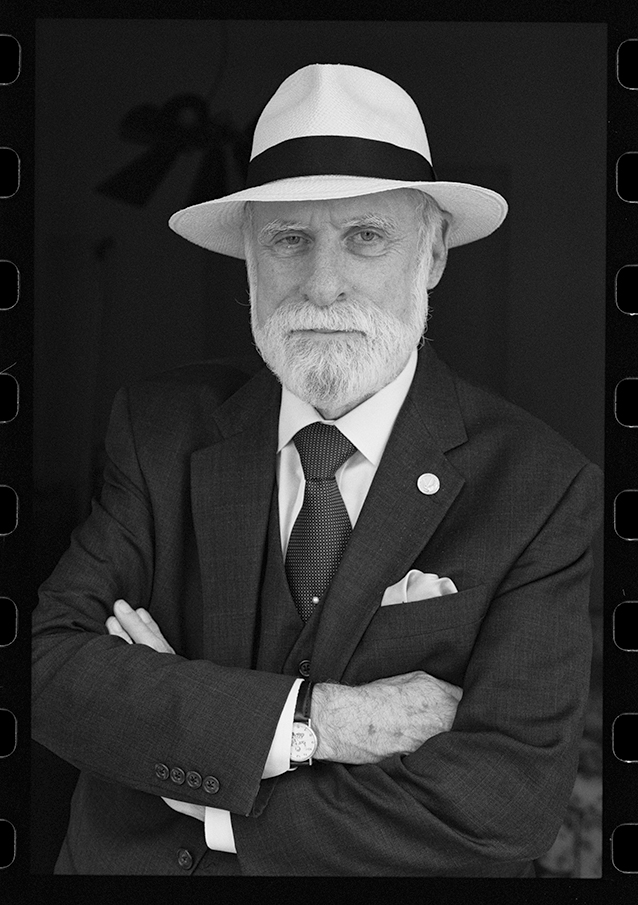


Vinton G. Cerf is vice president and Chief Internet Evangelist for Google. He contributes to global policy development and continued spread of the Internet. Widely known as one of the "Fathers of the Internet," Cerf is the co-designer of the TCP/IP protocols and the architecture of the Internet. He has served in executive positions at MCI, the Corporation for National Research Initiatives and the Defense Advanced Research Projects Agency and on the faculty of Stanford University.
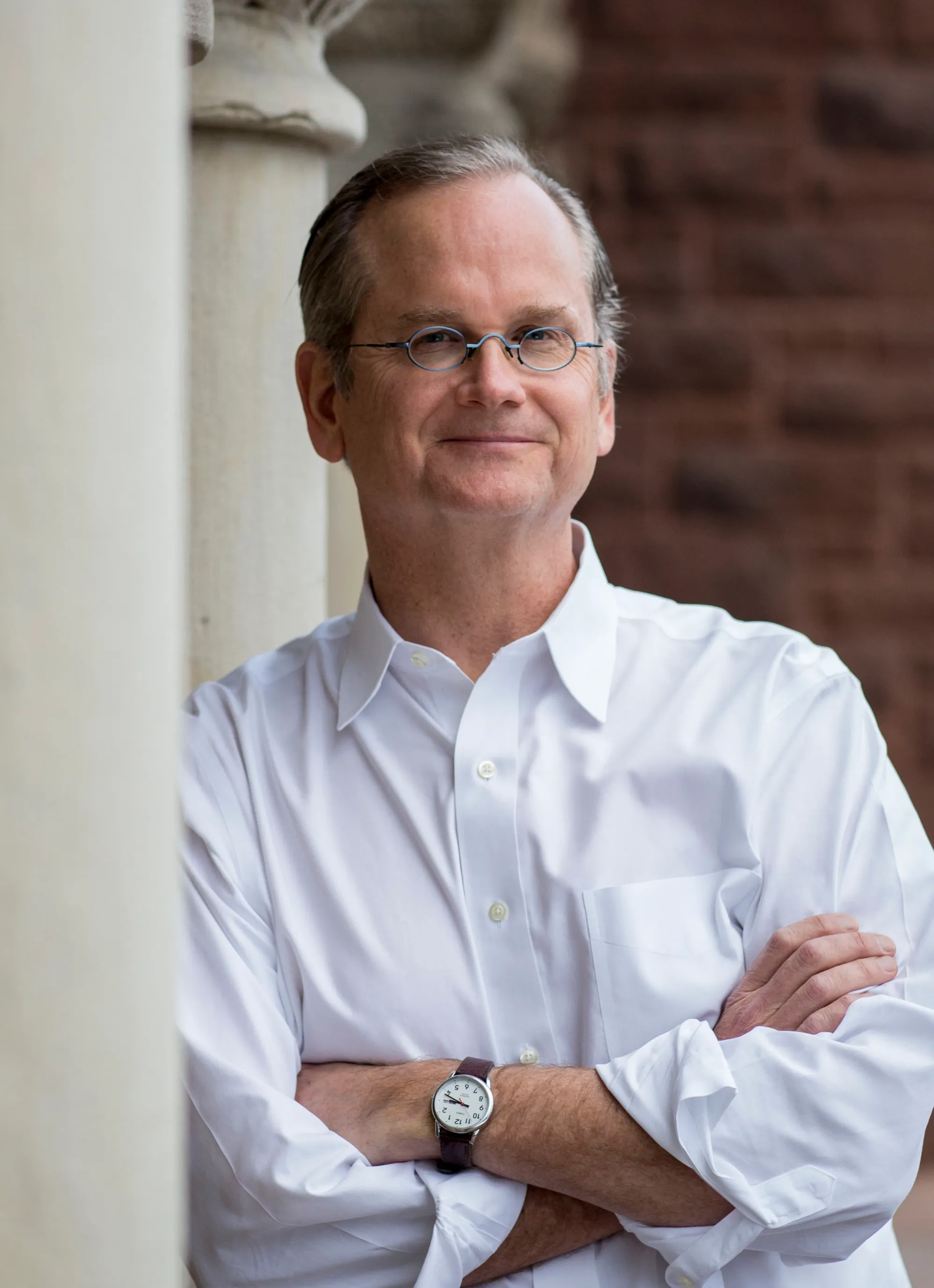
Lawrence Lessig is the Roy L. Furman Professor of Law and Leadership at Harvard Law School. A foundational scholar of law and technology, he has shaped decades of debate over copyright, the internet, and the influence of money in politics. Widely known for the argument that "code is law," Lessig is a co-founder of Creative Commons and the author of Code and Other Laws of Cyberspace and Free Culture. He founded the Center for Internet and Society at Stanford Law School and the democracy reform group Equal Citizens, and clerked for Judge Richard Posner and Justice Antonin Scalia.
Reed Hundt is a former chairman of the Federal Communications Commission, where he served from 1993 to 1997 under President Bill Clinton. During his tenure he oversaw implementation of the Telecommunications Act of 1996, championed spectrum auctions, and launched the E-Rate program to connect schools and libraries to the internet. A graduate of Yale University and Yale Law School, he practiced law before joining the FCC. After leaving the commission he became an author and venture investor, and later co-founded and led the Coalition for Green Capital, an organization focused on clean energy financing through green banks. He has written several books on economic and telecommunications policy. He is CEO of the non-profit group, ReFounding America.
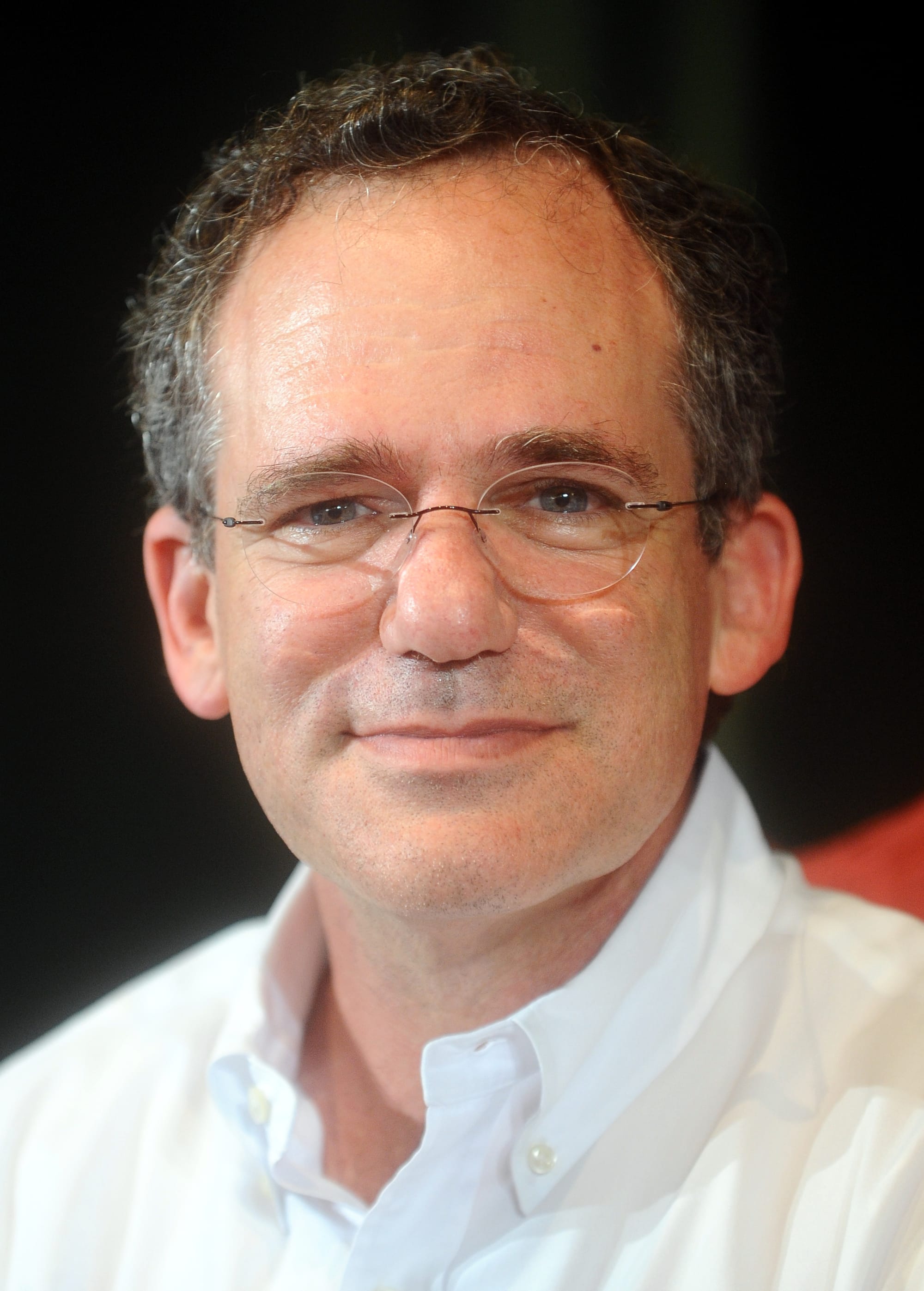
Shane Greenstein is the Martin Marshall Professor of Business Administration at Harvard Business School, where he co-chairs the HBS Digital Initiative and teaches in the Technology, Operations and Management unit. A leading economist of the information technology industry, he has spent decades studying how innovation, competition, and market structure shaped the rise of digital markets. He is the author of How the Internet Became Commercial, an economic history of the internet's transition from a government research network to a private industry. He co-directs the program on the economics of digitization at the National Bureau of Economic Research and writes the long-running technology blog Digitopoly.
Breakfast Media LLC CEO Drew Clark has led the Broadband Breakfast community since 2008. An early proponent of better broadband, better lives, he initially founded the Broadband Census crowdsourcing tool to collect and verify broadband data left unpublished by the Federal Communications Commission. As CEO and Publisher, Clark presides over the leading media community advocating for higher-capacity internet everywhere through topical, timely and intelligent coverage. Clark also served as head of the Partnership for a Connected Illinois, a state broadband initiative.
About the In-Person Event
 Broadband Breakfast
About the 3-Part Webcast
 Broadband Breakfast