Broadband Breakfast on June 24, 2026 - 1927-1976: Broadcasting, Cable and the Creation of the Media
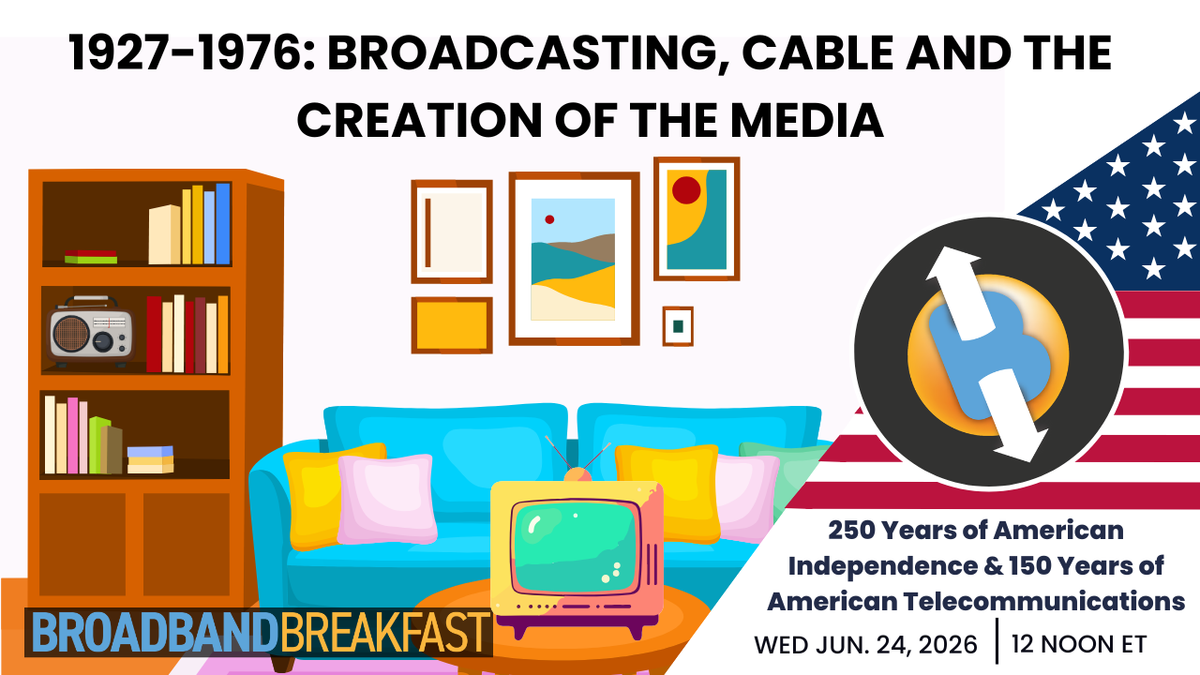
The second installment of Broadband Breakfast's three-part series covers 1927–1976, when broadcasting and cable created the modern American media.

Highlight Reel:
Full Video:
From the golden age of radio to the rise of color television and the dawn of cable, the 1927-1976 era reshaped the mass media and how Americans consume news, entertainment, and political discourse. This Broadband Breakfast Live Online session will trace the founding of NBC in 1926, the creation of the Federal Radio Commission in 1927, the passage of the Communications Act of 1934, and the postwar television boom: Including the landmark 1960 Kennedy-Nixon debates, the emergence of PBS and cable systems that began challenging the big three broadcast networks. Along the way, regulators wrestled with spectrum allocation, public interest obligations, the Fairness Doctrine, and the alleged tension between broadcast “scarcity” and the First Amendment. Panelists will unpack how broadcasting's regulatory bargains and business models may still echo in today's debates over content moderation, media consolidation and universal access.
 Broadband Breakfast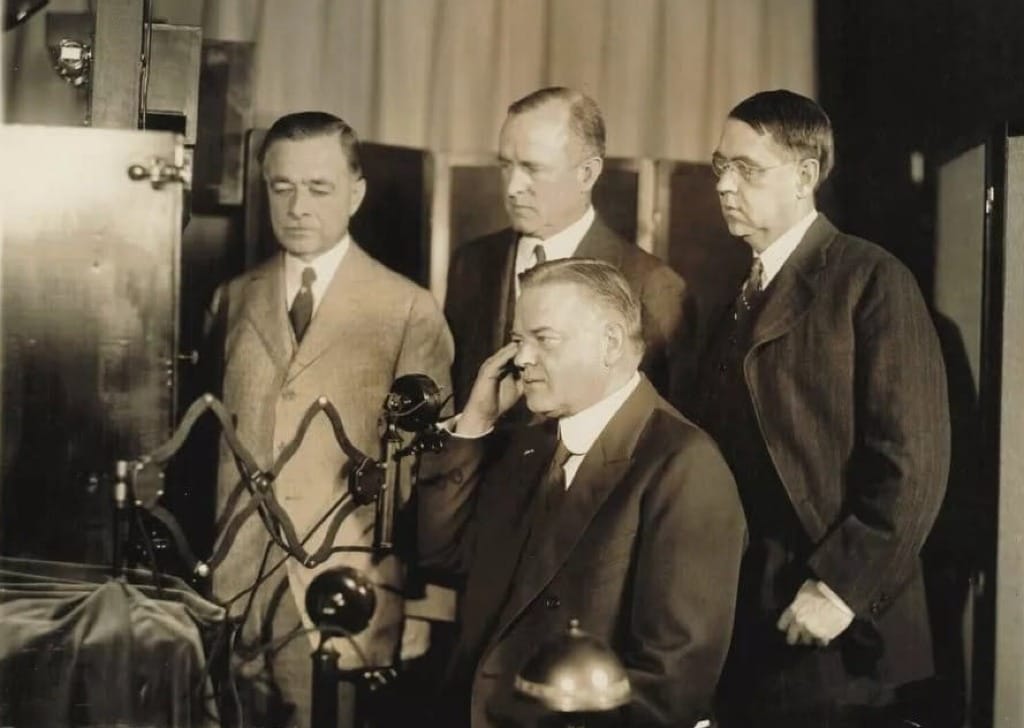
Panelists
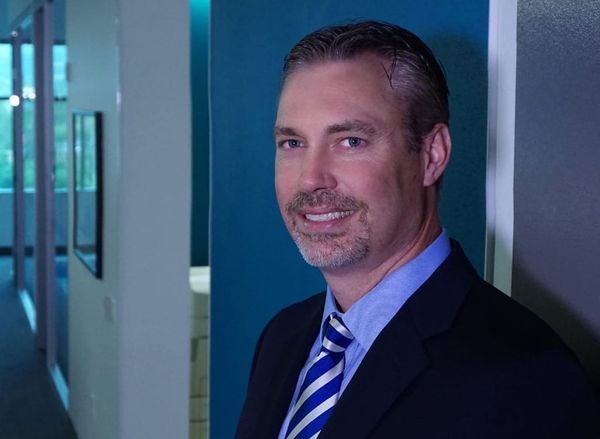
- Michael J. Socolow, Professor of Communication and Journalism, University of Maine; author of Six Minutes in Berlin: Broadcast Spectacle and Rowing Gold at the Nazi Olympics
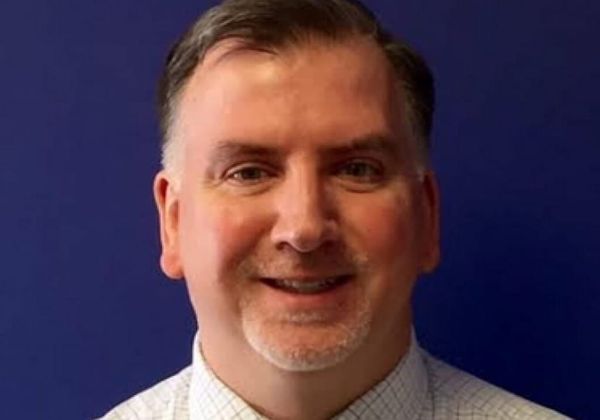
- Thomas Hazlett, H.H. Macaulay Endowed Professor of Economics, Clemson University; former Chief Economist of the Federal Communications Commission; author of The Political Spectrum: The Tumultuous Liberation of Wireless Technology, from Herbert Hoover to the Smartphone
- Allison Perlman, Professor of History and Film and Media Studies, University of California, Irvine; author of Public Interests: Media Advocacy and Struggles Over US Television
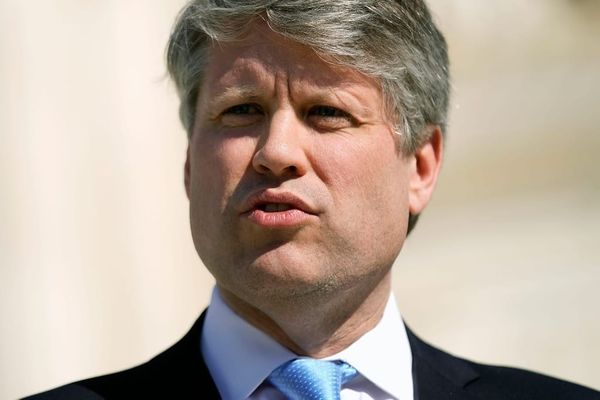
- Kathryn Cramer Brownell, Professor of History and Director of the Center for American Political History, Media, and Technology (CAPT), Purdue University; author of 24/7 Politics: Cable Television and the Fragmenting of America from Watergate to Fox News
- Other panelists have been invited
- Ted Hearn (moderator), Managing Editor, Broadband Breakfast
About the In-Person Event
 Broadband Breakfast
About the 3-Part Webcast
 Broadband Breakfast
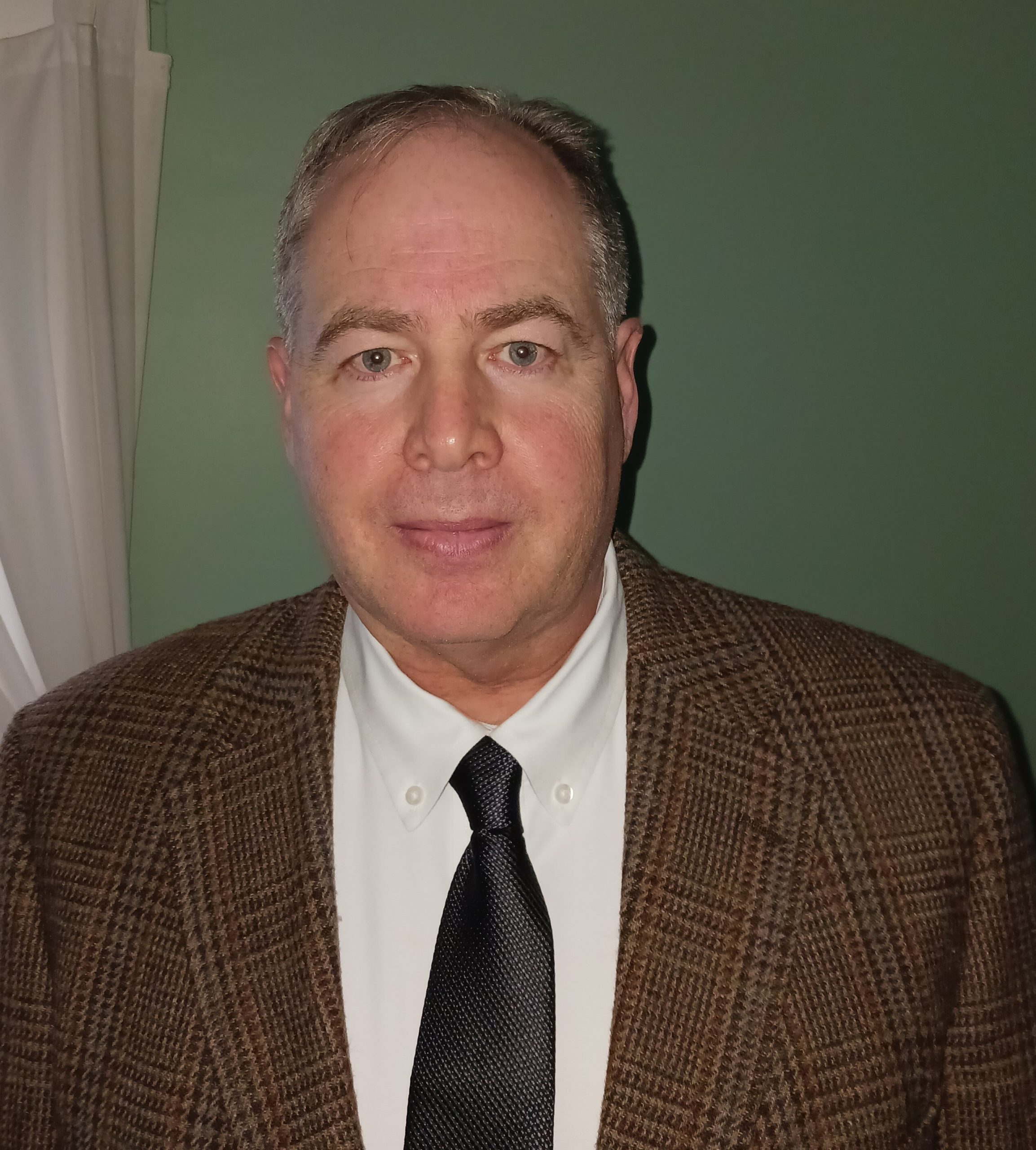
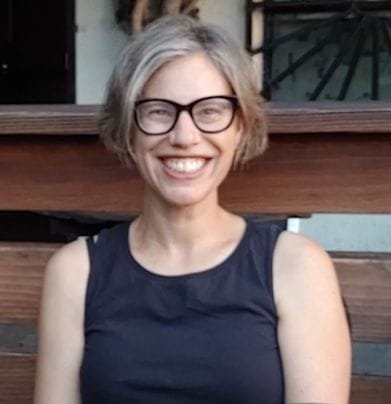
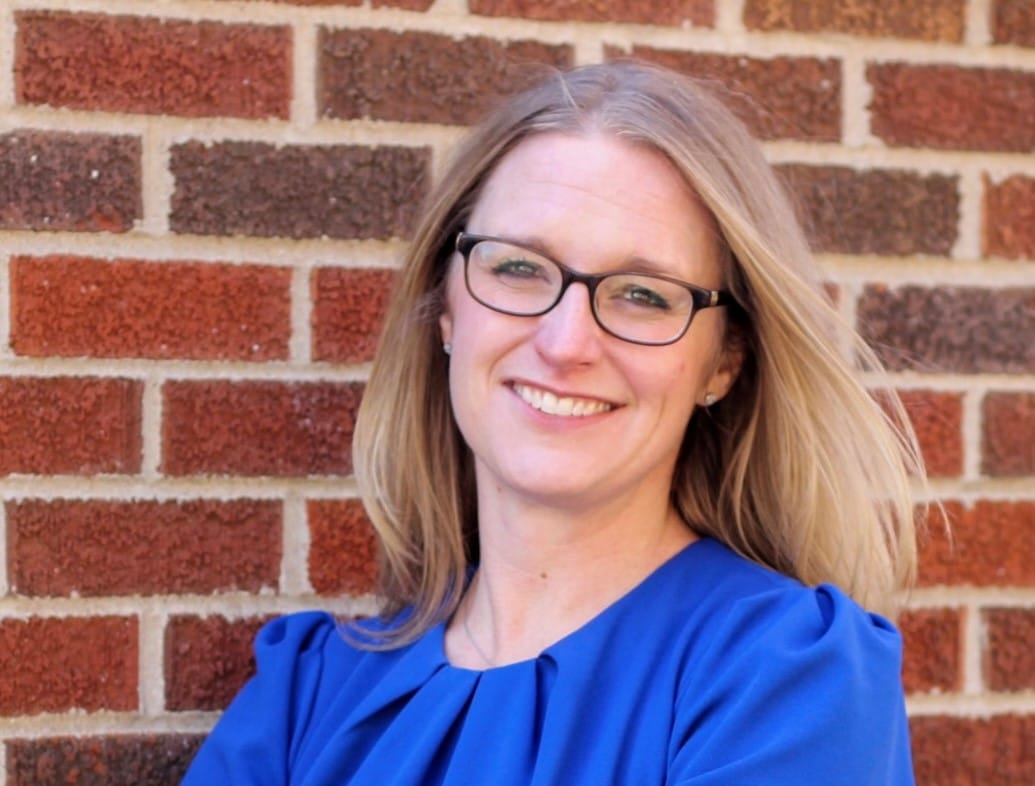
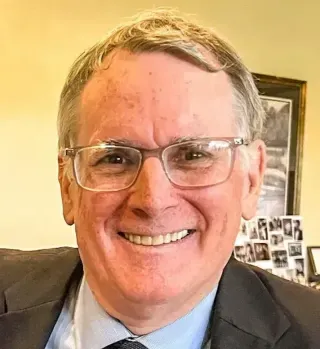
Michael J. Socolow is Chair of the Department of Communication and Journalism at the University of Maine. A media historian of American network broadcasting in its formative era, he is the author of Six Minutes in Berlin: Broadcast Spectacle and Rowing Gold at the Nazi Olympics, winner of the 2018 Broadcast Historian Award from the Library of American Broadcasting Foundation. A former CNN journalist, Socolow's media commentary has appeared in the New York Times, Washington Post, Slate, and elsewhere.
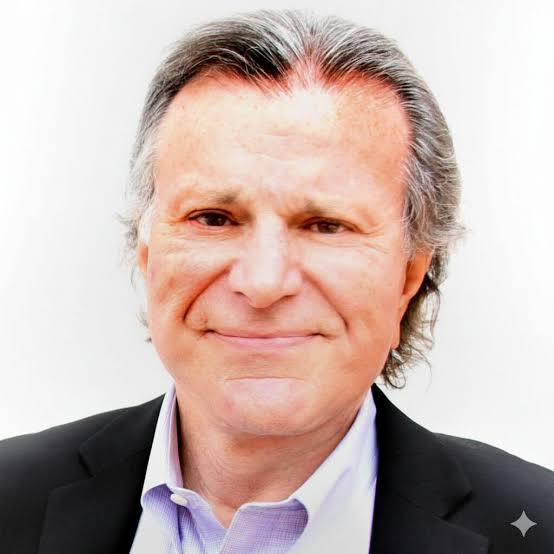
Thomas W. Hazlett is the H.H. Macaulay Endowed Professor of Economics at Clemson University. A leading scholar of telecommunications and spectrum policy whose research examines the regulation and deregulation of wireless markets, he is a former Chief Economist of the Federal Communications Commission. He is the author of The Political Spectrum: The Tumultuous Liberation of Wireless Technology, from Herbert Hoover to the Smartphone.
Allison Perlman is Associate Professor of History and Film and Media Studies at the University of California, Irvine. A historian of broadcasting, media policy, and media activism, she is the author of Public Interests: Media Advocacy and Struggles Over US Television, winner of the 2017 Outstanding Book Award from the International Communication Association's Popular Communication Division. She is currently completing a book on the history of US public television.
Kathryn Cramer Brownell is Professor of History at Purdue University and Director of the Center for American Political History, Media, and Technology (CAPT). She is the author of 24/7 Politics: Cable Television and the Fragmenting of America from Watergate to Fox News and Showbiz Politics: Hollywood in American Political Life. Brownell is also a Senior Editor of Made By History at TIME and a 2025 Carnegie Fellow.
Ted Hearn is Managing Editor for Broadband Breakfast. He is also Editor and Publisher of Policyband, a website dedicated to comprehensive coverage of the broadband communications market.