AT&T Says Just 1% of Eligible Customers Still Use Copper Voice Lines
AT&T cites rising copper theft and longer repair times for moving customers to newer technologies

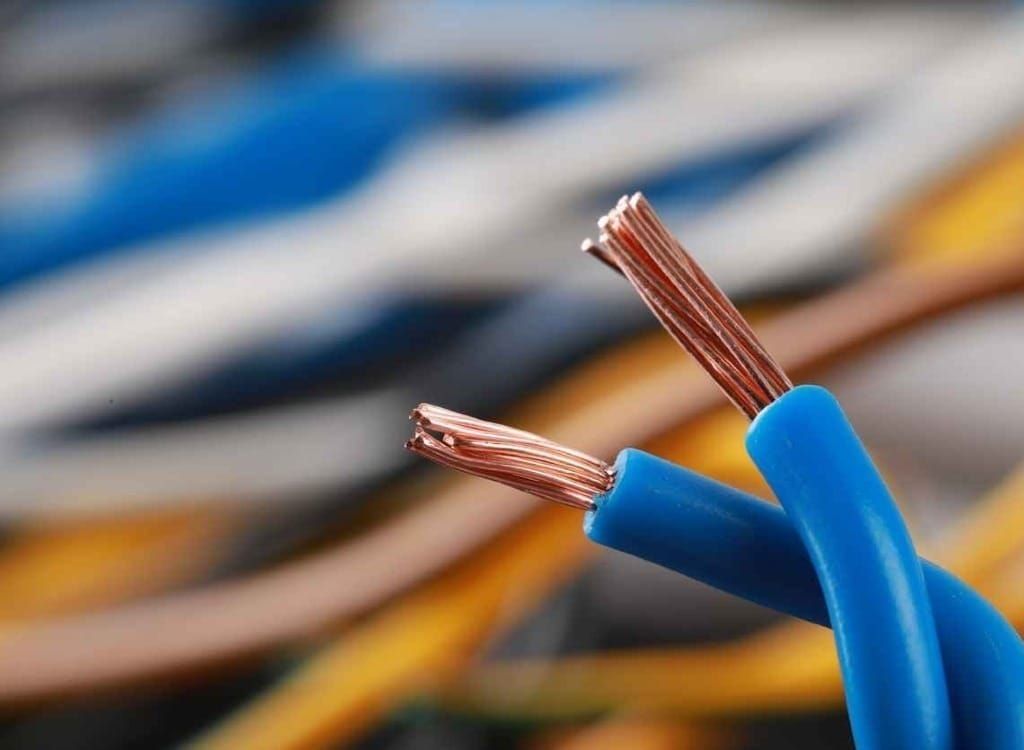
WASHINGTON, Oct. 20, 2026 — AT&T says just 1 percent of its eligible customers still use traditional copper telephone lines, as the company works to replace most of its aging copper network with fiber and wireless services by the end of 2029.
The company has discontinued copper services in more than 500 communities, covering more than 1.3 million locations across 18 states, AT&T said in an Oct. 19 update. It plans to upgrade customers in another 1,500 communities over the next year.
“As we transition away from copper, we’re committed to always being there for our customers who have relied on us to connect for generations,” AT&T Senior Executive Vice President of Transformation and Supply Chain Susan Johnson said.

AT&T is encouraging remaining copper customers to switch to services including AT&T Fiber, wireless and AT&T Phone–Advanced, a replacement for traditional landline phone service. The company said customers can retain their phone service and 911 access through the transition.
Copper networks are more difficult to maintain than newer infrastructure, AT&T said. The company cited copper theft, equipment failures and longer repair times as reasons for moving customers to newer technologies. Wireless service repairs take more than four times less time than copper repairs, according to the company.
AT&T also said retiring copper infrastructure would reduce energy consumption. The company operates about 4,600 wire centers across its wireline footprint and expects to avoid an average of 600,000 kilowatt-hours of electricity use annually per center once its copper retirement is complete.
The transition has raised questions about whether replacement services can provide the same reliability as traditional landlines, particularly in rural areas and during power outages or natural disasters.
In California, AT&T is seeking to discontinue legacy voice service across hundreds of wire centers, affecting residential and business customers. The company has argued that newer services can replace traditional copper lines, while state regulators and consumer advocates have questioned whether wireless alternatives will be adequate for every customer.
The Federal Communications Commission approved AT&T’s request in June to discontinue copper voice services at more than 184,000 California locations. The agency is separately considering AT&T’s request to override state rules that could prevent the company from completing its transition.
AT&T said it plans to exit its copper network in the majority of its footprint by the end of 2029. The company said it would continue working with customers to move to newer services rather than leave them without access to phone or emergency services.