AT&T Sues Comcast Over 'Fiber-Powered' Ads
AT&T says that Xfinity's marketing misleads consumers into believing they receive fiber directly to their homes

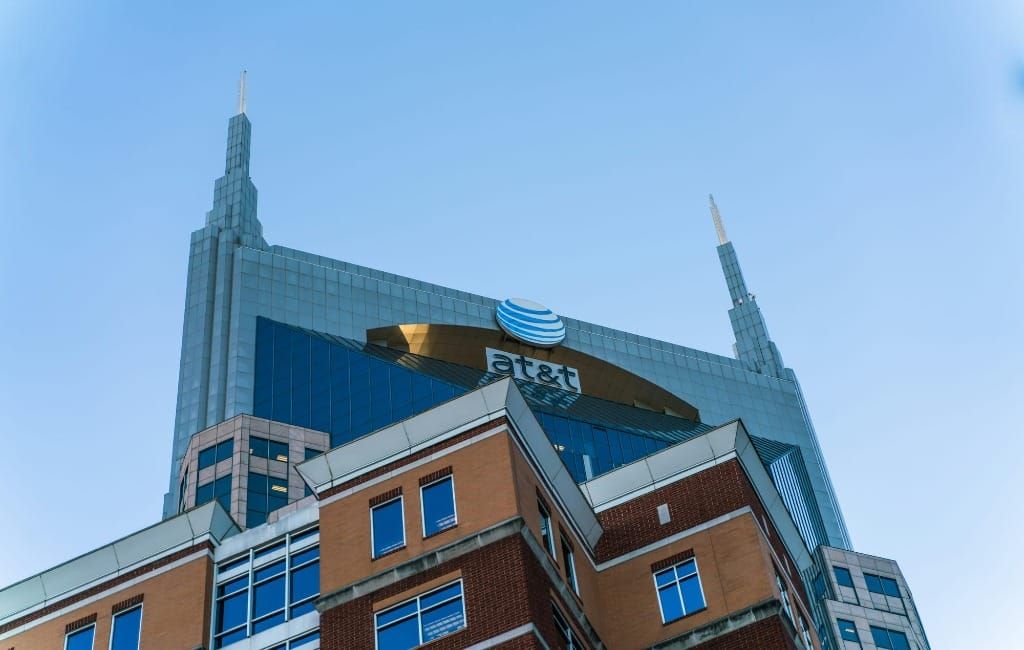
WASHINGTON, Nov. 23, 2026 - AT&T has sued Comcast, alleging that its “Fiber-Powered” Xfinity ads mislead customers about the extent of its fiber network.
AT&T has alleged that the company’s use of “Fiber-Powered” in Xfinity marketing misleads consumers into believing they receive fiber directly to their homes. The complaint, filed November 13 in the U.S. District Court for the Northern District of California, accuses Comcast of violating the Lanham Act, California’s False Advertising Law, and California’s Unfair Competition Law.

AT&T argues that most Xfinity customers are served through a hybrid fiber-coaxial network: Fiber reaches a neighborhood node, but copper coaxial cable completes the final connection to the home. According to AT&T, Comcast’s “Fiber-Powered” language obscures that distinction and improperly borrows the consumer appeal of true fiber-to-the-home services such as AT&T Fiber.
The lawsuit cites Comcast website claims including “Built for speed. Powered by fiber” and “the most reliable, fiber-powered WiFi.” AT&T says those statements, paired with disclosures using the term “coaxial cable,” fail to clearly tell consumers that the last-mile connection is copper-based rather than fiber.
AT&T seeks a court order barring Comcast from describing its hybrid fiber-coaxial service as “Fiber-Powered,” along with damages, disgorgement of profits, restitution, and attorneys’ fees. The company alleges that misleading advertising diverts customers, harms its goodwill, and gives Comcast an unfair competitive advantage.
The case follows AT&T’s separate suit against Charter Communications over similar “fiber-powered” claims. Charter has moved to dismiss that case, arguing that “fiber-powered” accurately describes a network in which fiber plays a central role and that its advertising and website disclosures make the coaxial connection clear.
The dispute highlights an increasingly consequential marketing question in broadband: whether “fiber-powered” is a fair description of a hybrid network or a misleading attempt to blur the line with all-fiber service.