BEAD Projects Likely to Generate Millions of 811 Tickets, Researchers Say
About 58 percent of the program’s fiber will be buried

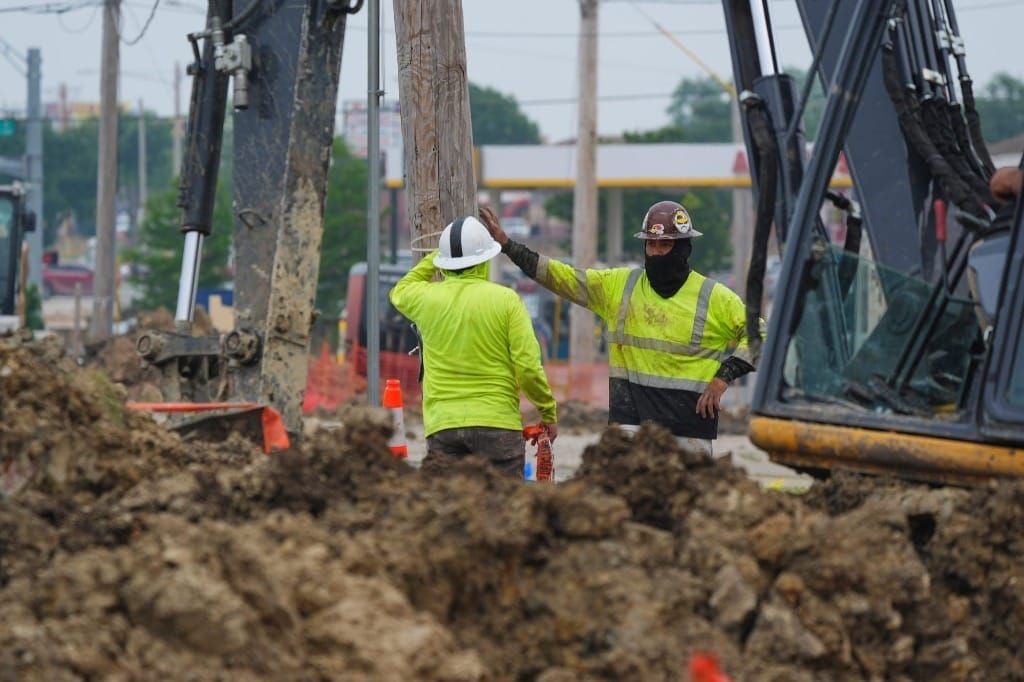
WASHINGTON, Oct. 8, 2026 – A flood of fiber projects funded by a federal broadband grant program could increase the likelihood of damaged buried utilities, researchers said Thursday.
The Broadband Equity, Access, and Deployment program is expected to fund more than 270,000 miles of buried fiber, according to an analysis from New York Law School’s Advanced Connectivity Law and Policy Institute.

ACLP estimated those builds would generate more than 8 million locate tickets for utilities. ISPs have to make sure there’s no infrastructure where they’re planning to bury fiber, and that involves asking utilities with infrastructure in the area to mark the exact location of their lines.
Many BEAD winners are smaller ISPs that have less experience with large builds, and those projects are largely in rural areas that might have incomplete or nonexistent records of underground infrastructure, ACLP Director Michael Santorelli said in the report.
“This could delay builds and raise costs. It could also lead to an increase in damage events,” Santorelli said in an email. “These can be deadly or have significant financial and practical impacts, as happened recently when a backup fiber line to several airports in the Northeast was cut, snarling travel for days.”
He wrote that according to the Common Ground Alliance, which tracks instances of utility infrastructure strikes, telecom providers and ISPs generated about 30 percent of all damage reports. That’s the most of any industry.
Among all damage reports, the most common cause is a company simply not calling 811 and requesting utility locates before digging, accounting for 22 percent. Close behind, according to CGA, was diggers not steering clear of marked infrastructure.
Another 14 percent of strikes were caused by locators not marking lines, and 9 percent were from inaccurate marks.
In addition to the fiber cut that left thousands of planes grounded last month, Santorelli noted infrastructure strikes can be deadly. Last year a fiber crew hit an unmarked gas line in Missouri, causing an explosion that killed a child and leveled a house.
Santorelli wrote that states could use left over BEAD funds — about $21 billion currently remains — to hire more locators to handle the extra workload. He suggested the funds could also be put toward comprehensive underground infrastructure maps, something some states were considering before the Trump administration overhauled the program’s rules.
Guidance on how that funding can be used is more than nine months away, though. BEAD projects are now just beginning to get underway, with Louisiana claiming to have completed the first BEAD-funded fiber project this week.