Bipartisan Senate Aides Expect to Unveil USF Modernization Framework by 2026
Reform effort seeks fair contributions to the Universal Service Fund from modern internet providers.

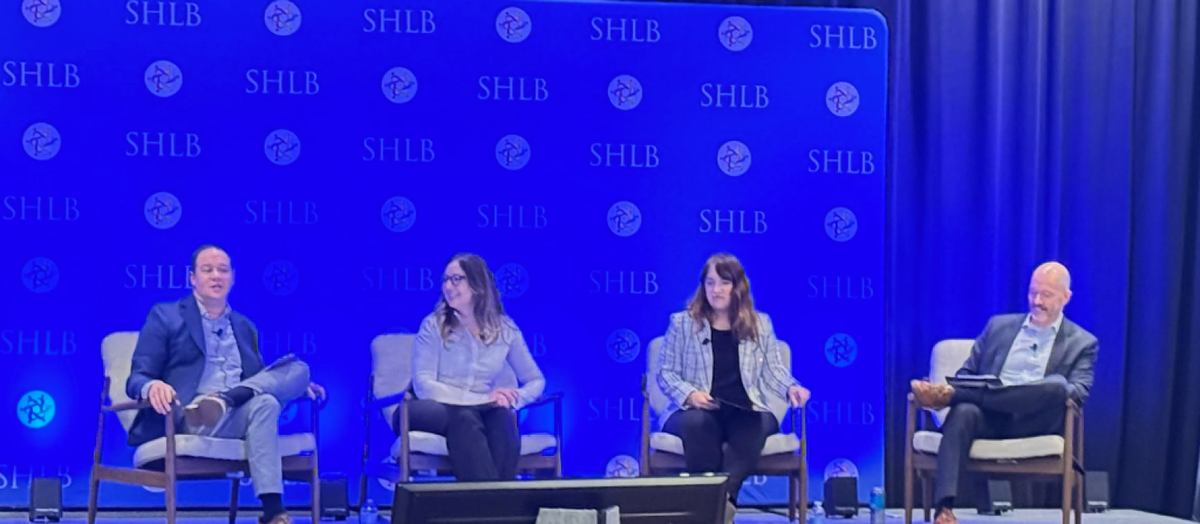
ARLINGTON, Va., Oct. 31, 2025 — Senate aides leading the bipartisan Universal Service Fund Working Group said they expected to unveil a modernization framework by early 2026 that would preserve the fund’s core programs.
At a discussion hosted by the Schools, Health & Libraries Broadband (SHLB) Coalition, Scott Leonard, senior legislative counsel to Sen. Dan Sullivan, R-Alaska, and Carmen Suro-Bredeson, senior policy counsel to Sen. Ben Ray Luján, D-N.M., said the bipartisan working group aimed to make the Universal Service Fund sustainable and predictable while updating it to reflect how Americans connect today - through broadband, streaming, and online platforms rather than traditional telephone service.
Leonard said programs such as E-Rate and Rural Health Care remained “lifelines” for remote communities, noting that Alaska’s cost structure made universal service support “essential for education, healthcare, and economic development.” Suro-Bredeson said the same held true in rural New Mexico, where reliable internet access “can be the difference between slow access and no access at all.”
The aides said the working group, formed by Sens. Luján, Sullivan, Amy Klobuchar, D-Minn., and John Thune, R-S.D., had met several times since September to examine how the fund could reflect modern connectivity.
Suro-Bredeson said broadband, streaming, and cloud platforms now carry most online traffic but “do not contribute under the current system,” which still depends on shrinking telecommunications revenues. She said reforms must expand the contribution base “without placing new burdens on the very people these programs are meant to help.”
Both aides said the group was weighing how to integrate cybersecurity and healthcare resilience into future reforms. Rural hospitals, Suro-Bredeson said, face growing ransomware risks and need flexibility to use USF dollars for network protection.
Leonard said stakeholder meetings this winter would help refine priorities and test potential funding models.
He and Suro-Bredeson said predictability and sustainability must remain the foundation of reform.
Federal acquisition lags private-sector advances, creating deployment gaps across key defense technologies.
Deal hands WOW! to investment firms DigitalBridge and Crestview amid rising fiber competition.
On the FWA front, MoffettNathanson estimates the service accounts for more than half the traffic on Verizon, T-Mobile networks.
NVIDIA's CEO warned China now generates twice the U.S. electricity, builds data centers in months, and claims 70% of global AI patents.
Member discussion