Capito Bill Tightens FCC Vetting of Broadband Providers
Measure targets accountability in how federal broadband funds are awarded

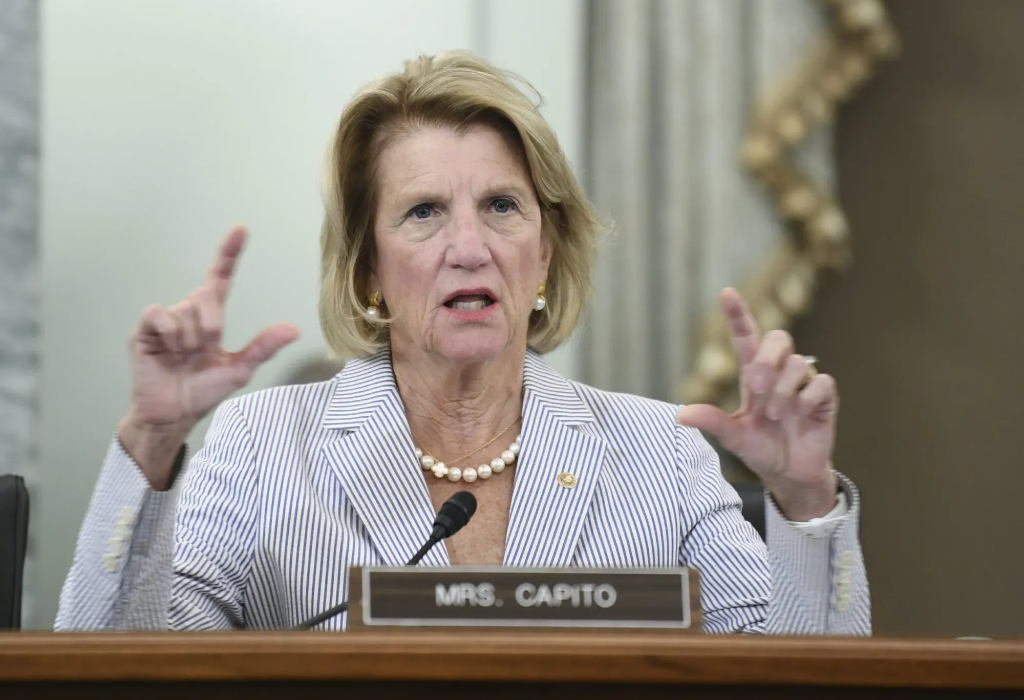
WASHINGTON, April 28, 2026 - Congress’ April 20 approval of West Virginia Republican Sen. Shelley Moore Capito Rural Broadband Protection Act of 2025, S.98, puts legislators on record as tightening the screws on broadband providers for using federal funds.
It’s designed to prevent broadband providers from failing to deliver federally funded projects by tightening oversight at the front end of the funding process.
The bipartisan measure, introduced Jan. 15, 2025, would require the Federal Communications Commission to vet broadband providers before awarding high-cost universal service funding.

The measure was one of several broadband bills the House approved April 20, alongside legislation aimed at accelerating network connection by speeding permitting on federal lands and improving transparency in broadband deployment.
Lawmakers say the bill responds to cases in which providers received federal support but failed to deliver promised networks in rural areas.
The measure “ensure[s] taxpayer money is being used properly to fund broadband deployment in rural areas,” Capito said. “By verifying that providers can actually deliver on the promises made to bring high-speed internet to specific areas, we can maximize the impact of those investments.”
The bill directs the FCC to launch a rulemaking within 180 days to establish a vetting process for applicants.
Providers must demonstrate technical, financial and operational capabilities, submit a reasonable business plan and show compliance with prior broadband programs, shifting federal funding toward a more rigorous pre-screening process rather than relying primarily on competitive bids.
Funding would go only to applicants that meet those standards once the rules are finalized, a shift lawmakers say will weed out unqualified bidders.
“We should be able to bring high-speed internet to every community in our country, regardless of their zip code,”said Amy Klobuchar, D-Minnesota, adding the bill would ensure companies that receive federal funding can “get the job done.”
The bill also adds enforcement measures to prevent early failures.
The FCC must impose penalties of at least $9,000 per violation for applicants that default during the pre-authorization phase and may not set a base forfeiture below 30 percent of total support in most cases.
Industry groups backed the approach.NTCA CEO Shirley Bloomfield said rural Americans deserve “high-quality broadband access” from providers that can “deliver on their promises.” USTelecom CEO Jonathan Spalter called the bill “a big win for rural America, and for ensuring the effectiveness of this essential program.”
The legislation applies to the FCC’s high-cost universal service programs, which subsidize broadband deployment in areas where private investment alone is not viable.Those programs, including competitive bidding mechanisms, have faced scrutiny after some awardees failed to meet buildout obligations.
The House had passed a version of the bill last year, but approved the Senate-passed version last week.