Comcast Spinning off NBCUniversal, Sky
Analysts were split on whether that sets the stage for a merger with Charter

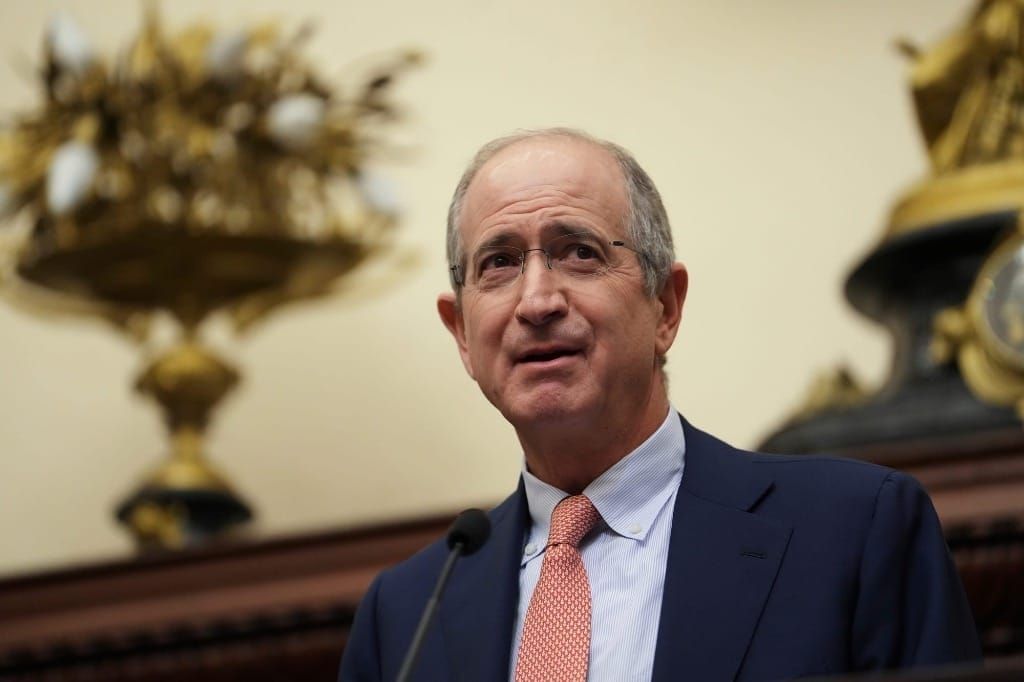
WASHINGTON, June 29, 2026 – Comcast is looking to separate its connectivity and media units into two separate companies, the cable operator announced Monday.
NBCUniversal will retain the company’s theme parks, studios, networks, and streaming units, and Comcast will hang on to its broadband and mobile service businesses, the company said in a release. The move comes months after Comcast already spun off some of its cable networks.
The company expects to complete the deal in about one year. The tax-free spin off will leave Comcast shareholders owning stock in both companies. Comcast will retain an up to 19.9 percent stake in NBCUniversal, which it said it would sell “over time.”
On a call with investors Monday morning, Comcast executives downplayed the idea that the split was setting the stage for M&A for either company.
“Absolutely not,” Comcast co-CEO Brian Roberts said in response to a question on the issue. “This is the right move to put each company in the strongest position to create value, fully monetize its assets, and aggressively pursue its own organic growth strategies.”
Michael Angelakis, who will be CEO of Comcast after the split, said in response to the same question that “Comcast is a wonderful technology company” with a large customer base and a management team that was “determined to win.”
“These characteristics are a terrific foundation for us to compete effectively and build for the future,” he said.
Still, industry analysts were split on whether the spin off was a step toward a merger with fellow cable giant Charter. Charter is in the process of buying up regional cable operator Cox, a deal that will make it the largest ISP in the country.
“We’ve said in the past that separating the 2 businesses is a precursor for Comcast to engage in any kind of M&A, especially in the cable space,” New Street Research analyst Vikash Harlalka wrote in an investor note. “On the cable side, the most obvious transaction is a merger between Comcast and Charter.”
New Street has liked the prospect of a major cable merger between the two companies, predicting it would be able to get regulatory approval and save the new company large sums of cash by combining operations.
MoffettNathanson founder Craig Moffett was less convinced, arguing the companies were both already large enough that increased scale would have minimal benefits. Plus, he wrote, federal and state regulators might not be excited about creating one national cable operator.
“The pursuit of ‘scale’ often blinds observers to the reality that Cable is an inherently local business,” he wrote in an investor note Monday. “Owning cable systems in Chicago (Comcast) doesn't materially change the costs of operating cable systems in North or South Carolina (Charter).”
Comcast stock was up more than 9 percent Monday morning. Charter was up more than 14 percent, although that could be attributed to Bloomberg reporting Friday evening that Charter and SpaceX had held high-level discussions on a mobile phone partnership.
Both Comcast and Charter have been losing broadband subscribers amid competition from fiber and fixed wireless. Comcast CFO Jason Armstrong said on the investor call that “this is not about something we’ve seen in the quarter.”
He said financial and operating metrics would be “within expectations.”
Leadership changes
After the spinoff, Roberts, a large shareholder, will be “actively involved” with both companies, Comcast said in its release.
Mike Cavanagh, the other co-CEO of Comcast, will be CEO of NBCUniversal. Angelakis, who will take the CEO job at Comcast, is a former CFO of the company.