
Consumers Are ‘Subsidizing the Cost of Data Centers’: Senate Dems
Lawmakers press Trump administration on link between Big Tech’s AI buildout and higher household energy bills.

Akul Saxena
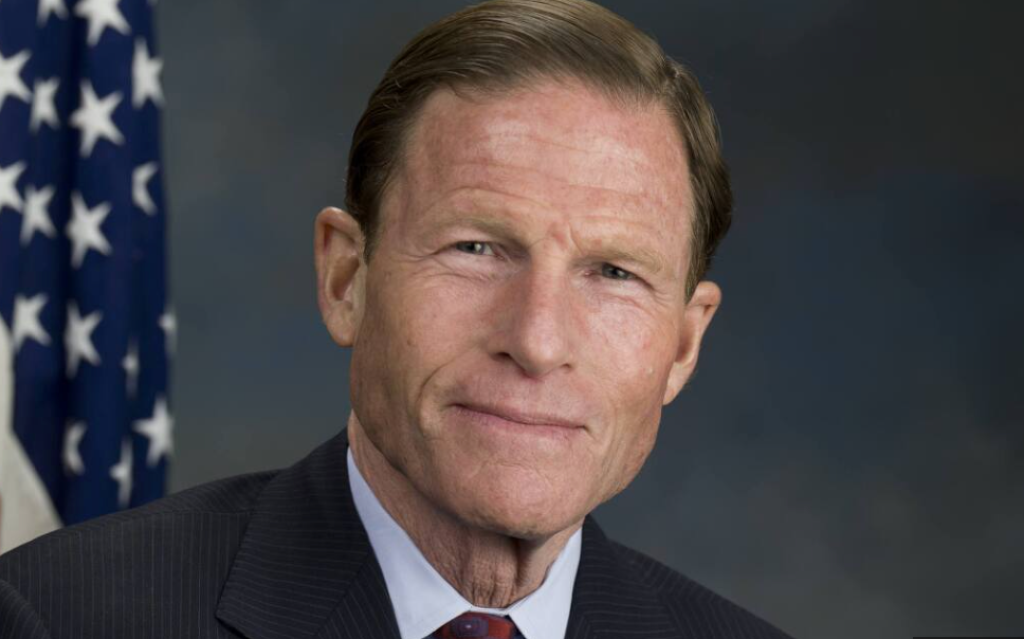
WASHINGTON, Nov. 12, 2025 — Senate Democrats pressed the Trump administration this week over rising household energy costs tied to Big Tech’s expanding network of data centers, warning that federal inaction risked forcing Americans to “bankroll” corporate infrastructure.
In a Nov. 10 letter to Commerce Secretary Howard Lutnick and White House Science and Technology Director Michael Kratsios, Sens. Richard Blumenthal, D-Conn., Edward Markey, D-Mass., Chris Van Hollen, D-Md., Ron Wyden, D-Ore., and Bernard Sanders, I-Vt., said the administration had “failed to prevent consumers from being forced to subsidize the cost of data centers.”
The lawmakers said new data centers from Meta, Google, Oracle, and OpenAI had intensified demand on strained grids as the administration rolled back renewable energy deployment.
They warned that data centers could soon consume up to 12 percent of U.S. electricity, more than twice current levels.
A single complex can draw enough power for four million homes. In the Mid-Atlantic, the nation’s data-center hub, household rates are projected to climb as much as 60 percent within five years.
The senators said the administration’s trade and energy policies had worsened the problem by driving up costs and slowing renewable growth.
Federal data showed new solar and wind capacity fell about 15 percent this year, while projections indicated natural gas prices could rise 30 percent by 2050 under the administration’s recent tariff controls, a combination the lawmakers said would further strain grids already pressured by data center demand.
“Americans should not be expected to bankroll Big Tech’s infrastructure through excessive electricity bills and threats to their water supplies,” the senators wrote.
They asked for a list of all companies receiving federal coordination on data center siting, along with estimates of each facility’s power and water use.
Advances in AI are 'increasing pressures on the grid,' says administration
The Office of Science and Technology has acknowledged that advances in artificial intelligence are “increasing pressures on the grid,”while the White House has defended its stance as part of a push for energy abundance.
In an October proclamation, President Donald Trump said expanded oil, gas, and nuclear production would restore U.S. energy leadership and strengthen national security.
Supporters say the policy ensures reliable power for industries like artificial intelligence, while critics warn it deepens reliance on fossil fuels and risks higher long-term costs for consumers.
. “Americans should not be expected to bankroll Big Tech’s infrastructure through excessive electricity bills and threats to their water supplies,” the senators wrote. They asked for a list of all companies receiving federal coordination on data center siting, along with estimates of each facility’s power and water use.
The Office of Science and Technology Policy has acknowledged that advances in artificial intelligence are “increasing pressures on the grid,” but the White House has maintained that its approach prioritizes “energy abundance.” In an October proclamation declaring “National Energy Dominance Month,” President Trump reaffirmed his support for expanded fossil-fuel production and nuclear investment as part of a plan to “meet the AI challenge.”
The exchange underscored a growing clash between the administration’s push for energy expansion and congressional concerns over local resource burdens. The dispute is likely to shape future debates over whether AI-driven infrastructure growth can proceed without raising household utility costs or draining municipal water supplies.






Member discussion