
FCC Declines Tribal Window for AWS-3 Auction, but Keeps Door Open for the Future
The agency will take comment on allowing tribes to apply for free spectrum licenses in future auctions.
WASHINGTON, July 24, 2025 – The Federal Communications Commission won’t have a Tribal licensing window in its upcoming AWS-3 auction, but will seek input on instituting one in future spectrum auctions.
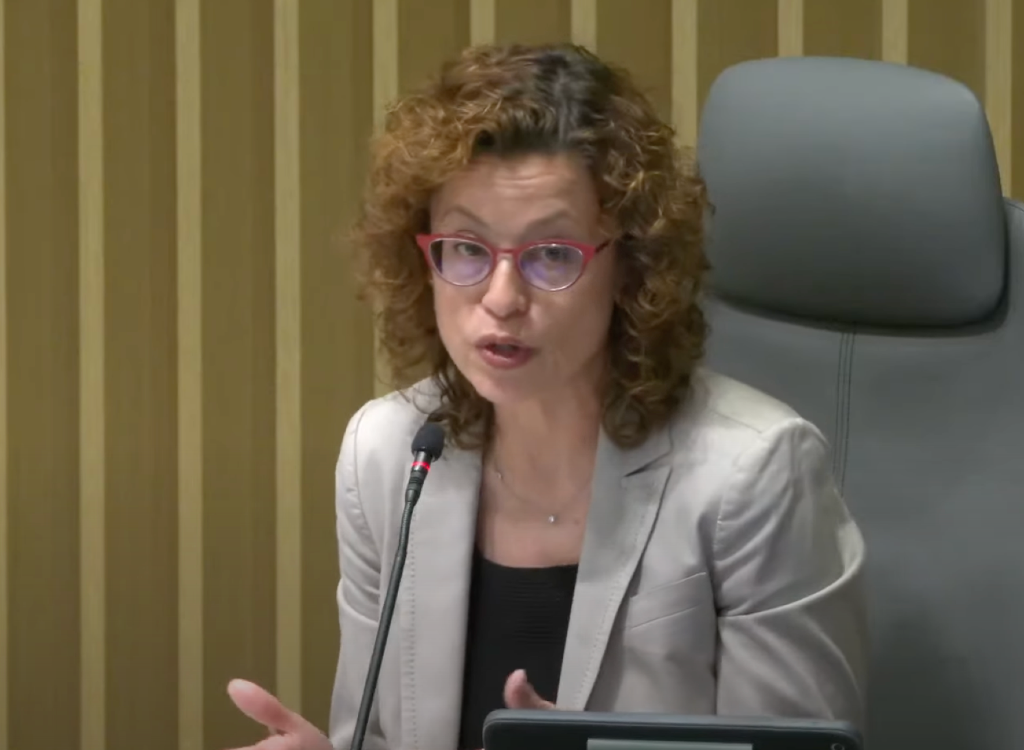
“While we will not hold a window in this auction, I am grateful to the chair for agreeing to seek comment about Tribal licensing windows in future auction proceedings,” FCC Commissioner Anna Gomez said at the agency’s meeting Thursday.
Tribal licensing windows allow tribes and Tribal ISPs to apply for free spectrum licenses covering Tribal lands. The FCC held one before its 2.5 GigaHertz (GHz) auction in 2020 under the first Trump administration.

Tribal organizations and consumer groups had been excited when the agency sought comment on a similar window for its AWS-3 auction, and they supported instituting one. While not holding one is less than supporters had hoped for, they said it was an improvement from the agency’s draft AWS-3 auction rules.
That document had said a Tribal licensing window would delay the auction, something Congress didn’t intend when it authorized the auction late last year as a one-off to fully fund the agency’s Rip and Replace program. It also added in a footnote that the windows also ran afoul of the Communications Act, a conclusion advocates argued would prematurely close the door on a Tribal window in any future spectrum auction. The draft also would not have sought comment on future windows.
The adopted item, however, “does not close the door. The FCC stated that the specific circumstances of this auction were dispositive, and explicitly declined to rule out Tribal windows in future auctions,” Nat Purser, a policy advocate at Public Knowledge, said in a statement. “Spectrum access is a core natural resource over which Tribal nations have sovereign rights, and FCC policy must reflect that.”
CTIA, which represents the wireless carriers, argued against holding a window for the upcoming auction, saying the law authorizing it mandated getting licenses out the door quickly. The draft order and adopted item agreed.
Ajit Pai, who as chairman of the FCC oversaw the 2.5 GHz Tribal window, is now CEO of CTIA. The group also submitted a letter saying the agency was correct to find Tribal licensing windows violated the Communications Act.
The item was adopted unanimously, with FCC Chairman Brendan Carr and Commissioner Olivia Trusty approving, and Gomez approving in part and concurring in part.
Tribal areas tend to trail the rest of the country in connectivity, which advocates say makes it important for tribes and Tribal ISPs to scoop up and deploy airwaves themselves.
The adopted item would update the rules for the AWS-3 auction, first held in 2015, which staff said would clear the way for bureaus to “finalize these procedures in a procedures public notice and move expeditiously toward bidding.” The rules add a 15 percent bidding credit for rural providers and increase the revenue thresholds for small and very small businesses, which also get bidding credits.
Dish, now owned by EchoStar, had won the vast majority of the licenses being auctioned, but the FCC found the company improperly received the spectrum at a discount through its control of smaller entities that actually did the bidding. The company returned the licenses after a lengthy legal battle.
The agency has to start the auction by June 23, 2026. While its general auction authority was reinstated on July 4, the AWS-3 auction was authorized late last year as a means of paying smaller providers for swapping blacklisted Chinese gear out of their networks.
The FCC’s Rip and Replace program had been facing a $3 billion funding shortfall, leading to many of the more than 120 participants reporting delays and facing deadlines they couldn’t meet. The agency was able to plug the hole with Treasury funds, which the auction proceeds will pay back.

Member discussion