FCC Opens Rural ‘Innovation Zones’ to Speed Up 5G and Ag‑Tech Testing
The initiative gives researchers expanded access to experimental spectrum, with Iowa State joining the program as a dedicated hub

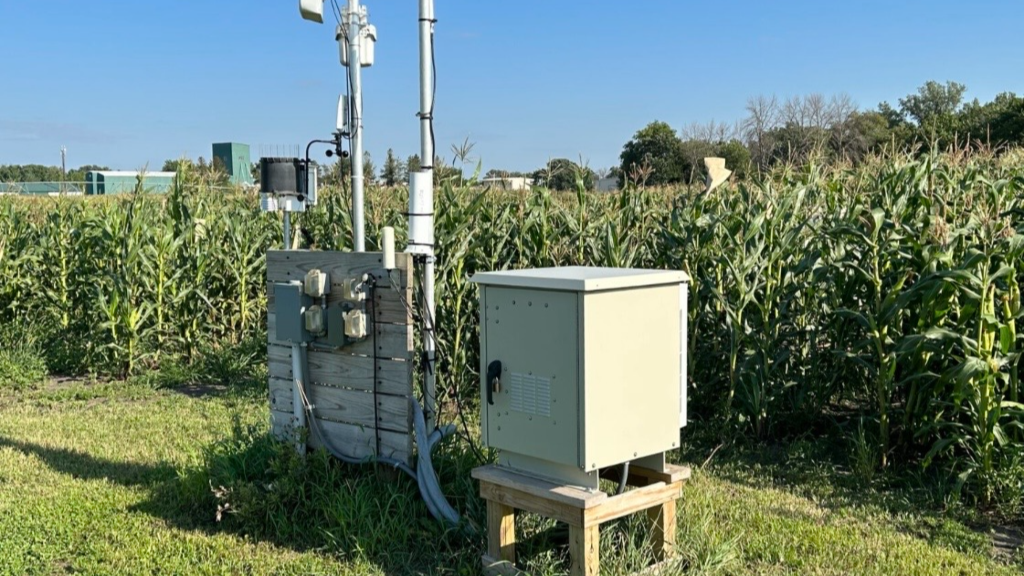
WASHINGTON, Sept. 3, 2026 - The Federal Communications Commission has authorized a new Wireless Technology Innovation Zone at Iowa State University to develop and refine wireless technologies intended to connect rural communities and to study new use cases for precision agriculture for both crop and livestock farms.
The FCC’s Office of Engineering and Technology issued the public notice on Aug. 28, designating the Iowa site as a location where experimental licensees can test advanced technologies, applications and prototype networks outside of a traditional small campus or laboratory setting.

The same action expands spectrum bands in the Innovation Zone at Northeastern University in Boston and expands the geographic boundaries of existing Innovation Zones at North Carolina State University in Raleigh and at the Salt Lake City site in Utah.
Innovation Zones are designated locations for specific experimental licensees to foster robust wireless research and development through real-world testing. Wireless networking research is fundamental to the U.S. economy and national security, but independent researchers typically have limited access to spectrum to develop and test new wireless technologies.
To accelerate the development of these technologies, the Innovation Zone Program extends the parameters of FCC experimental program licenses and provides qualified users with controlled access to spectrum to run experiments, deploy prototype networks, and demonstrate new wireless applications.
The FCC approved a proposal from the Platforms for Advanced Wireless Research (PAWR) office – a public‑private partnership that oversees the research platforms – for an Iowa State Innovation Zone to “serve as a wireless living lab for smart and connected rural communities, enabling the research and development of rural‑focused wireless technologies that provide affordable, high‑capacity connectivity to rural communities and industries such as agriculture.”
The FCC also modified conditions at existing Innovation Zones to expand research. Northeastern’s Boston zone can increase maximum power on certain frequencies and add authorized bands. N.C. State and Salt Lake City zones can increase power on certain frequencies and expand both bands and geographic boundaries. The FCC is renewing the New York City, Salt Lake City, N.C. State and Northeastern zones for another five-year term.
The FCC says the expanded zones will speed up real‑world testing of open, standards‑based wireless networks, helping move 5G and 6G innovations from campus labs into rural and agricultural deployments.