UK Floats Taxing Broadband Subscribers to Fund the BBC
British internet users may be forced to subsidize the BBC

WASHINGTON Sept. 28, 2026 – The British government is weighing a plan to tax broadband to support its main free TV service.
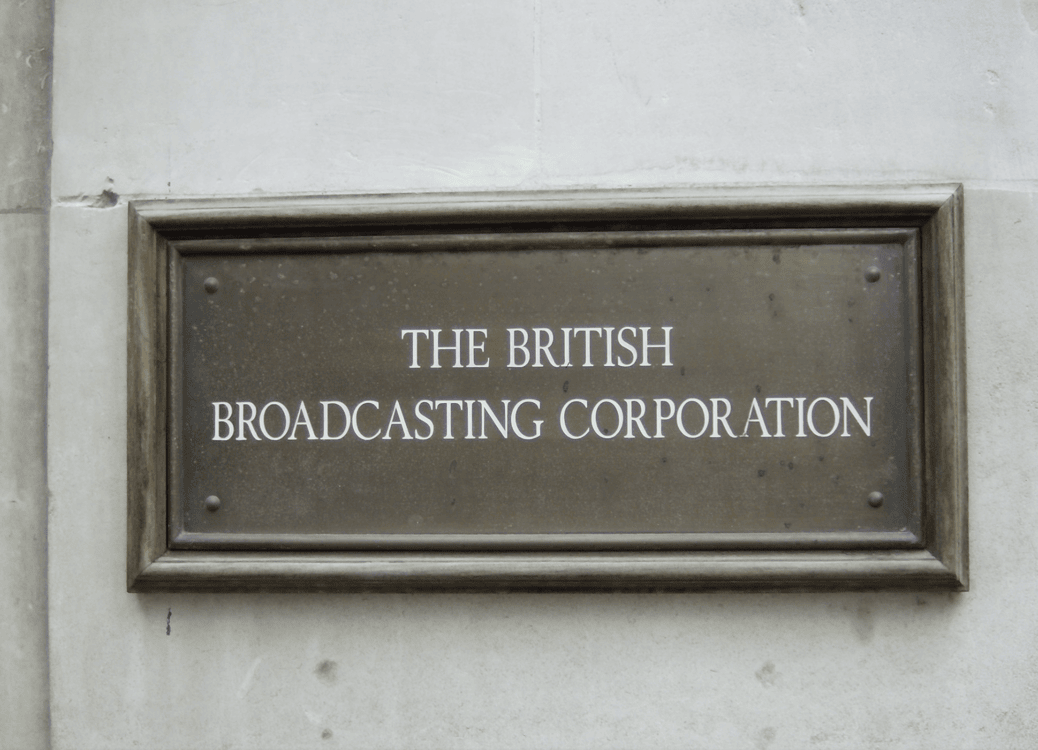
The UK’s Labour Party is currently evaluating replacing the British Broadcasting Corporation current annual £180 fee – about $238 – with a monthly £11 broadband surcharge, roughly $15 a month.
Currently, the UK government is reviewing the BBC’s Royal Charter as it is set to expire at the end of 2027. In response, prominent think tank The Social Market Foundation, SMF, published a report on Sept. 23 emphasizing the necessity of the BBC.
Key stats highlight how BBC services not only reach over 94% of British households, but emphasize that with the BBC’s closure, an estimated 18,000 to 29,000 jobs would be lost, as well as up to £6 billion, approximately $9.75 billion, in economic output.
Additionally, the report also acknowledges continued increasing payment evasion rates, climbing from under 7% in 2019 to 12% in the last year.
Due to these factors, the SMF proposed various different recommendations for the government – notably suggesting to replace the current licensing fee with a ‘Home Internet Levy.’
The ‘Home Internet Levy’ would essentially eliminate the current annual £180 TV license and instead directly add a £11 charge monthly to household broadband bills. Under the plan, the fee would actually be cheaper for those already paying for the BBC, with households only paying £132, roughly $175, instead of the current £180, about $238.
Labour Party ministers and Culture Secretary Lisa Nandy have begun discussing this suggestion, with a Department for Digital, Culture, Media and Sport spokesperson stating, “The BBC must be funded by a model that is sustainable and fair to all those that are paying it.”
However, this plan, especially in the age of streaming, has provoked intense debate. Some believe that requiring every home with an internet connection to fund the BBC, even if no one residing watches live television, is an unfair government imposition. There is additional concern the plan would hurt low-income Brits.
As no decision has been made, the government will continue to look at all options. Additional proposals include keeping the licensing fee and adding a £2.30, roughly $3, monthly levy; replacing the current system with another funding model; and giving lower socioeconomic individuals some sort of discount.