FCC to Vote on Orders Narrowing NEPA, Opening Satellite Spectrum
Also on the agency’s September agenda: Ultra-wideband spectrum rules, 911 access, and robocalls

WASHINGTON, Sept. 8, 2026 – The Federal Communications Commission is set to vote this month on an order that would narrow its environmental permitting rules, the agency said Tuesday.
The agency will also take up an order that would make more satellite spectrum available and a proposal on unlicensed ultra-wideband spectrum.

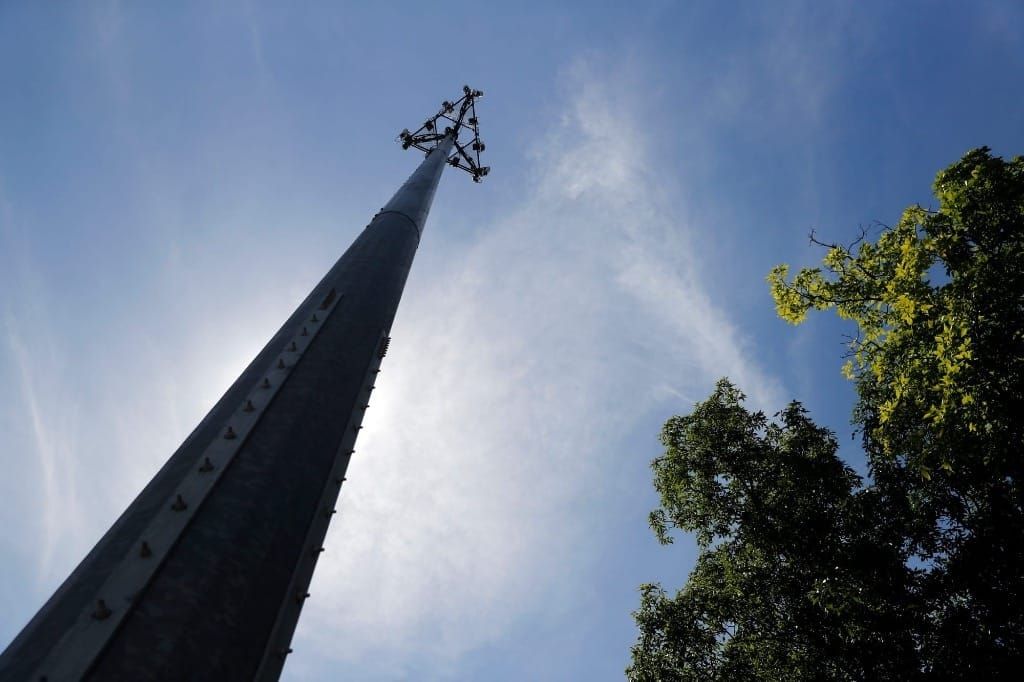
The National Environmental Policy Act requires federal agencies to consider environmental effects before beginning infrastructure projects, and the review process can take months. The FCC has interpreted NEPA to apply to wireless equipment and towers deployed under one of its spectrum licenses.
In a release, the agency said the order would find that wireless deployments related to FCC licenses don’t need NEPA reviews if they don’t require antenna structure registration. That’s a change that CTIA, the wireless industry group, had asked the agency for in a petition last year.
The agency said the rule, if adopted, would eliminate NEPA evaluations for more than 14,800 wireless deployments. The release cited a CTIA-commissioned study that found the FCC’s NEPA and historical review rules would cost carriers $2.2 billion between 2025 and 2035.
Democratic attorneys general, along with state historical preservation offices and Tribal governments, opposed the idea of rolling back NEPA reviews last year.
A senior FCC official told reporters Tuesday that the agency was bringing its NEPA rules into compliance with a 2023 law that for the first time codified what kinds of projects need review.
The item would also codify a longstanding FCC practice of not applying NEPA to satellite constellations, and seek more comment on the agency’s historical review rules.
The FCC’s September meeting is scheduled for Sept. 30. Drafts of the items announced Tuesday are set to be released tomorrow, the agency said.
Satellite spectrum
The FCC will also vote at that meeting on an order that it said would make more than 1,000 megahertz of spectrum available for satellite use. That would come from the 12.7 GigaHertz (GHz) and 42 GHz bands.
“We are talking more capacity for high-speed satellite broadband to the home, for in-flight and on-ship connectivity, and for core traffic-routing functions in satellite ground networks,” FCC Chairman Brendan Carr wrote in a Tuesday blog.
The item will also seek comment on opening additional bands for satellite use, including 1,450 megahertz between the Ku-band and Ka-band and more than 138 gigahertz in the D-band.
Ultra-wideband
The agency is set to vote on a proposal that would ask about updating its ultra-wideband (UWB) spectrum rules.
The unlicensed airwaves are used for a myriad of things, the agency said, but its rules for the airwaves haven’t been updated since they were instituted in 2002.
The proposal would seek comment on creating a new UWB device category for “emerging applications — from AI-enabled sensing, to advanced ranging systems, and modern access-control systems.”
The item would additionally deal with issues the agency said had been the subject of repeated waiver requests.
Other items
In his blog, Carr said the agency would be voting on two other items.
One was a notice of inquiry into ensuring 911 access as copper gear is retired, and the other was an order on robocalls that he said would make it easier for consumers to revoke consent on marketing messages.