FCC to Vote on Prison Cellphone Jamming Rules in November
The proposal would give correctional officials another tool to stop inmates from using smuggled phones to coordinate crimes

WASHINGTON Oct. 28, 2026 — Federal Communications Commission Chairman Brendan Carr said Wednesday the agency will vote next month on rules allowing state and local prisons and jails to jam contraband cellphones, a move supporters say could help prevent inmates from directing crimes from behind bars.
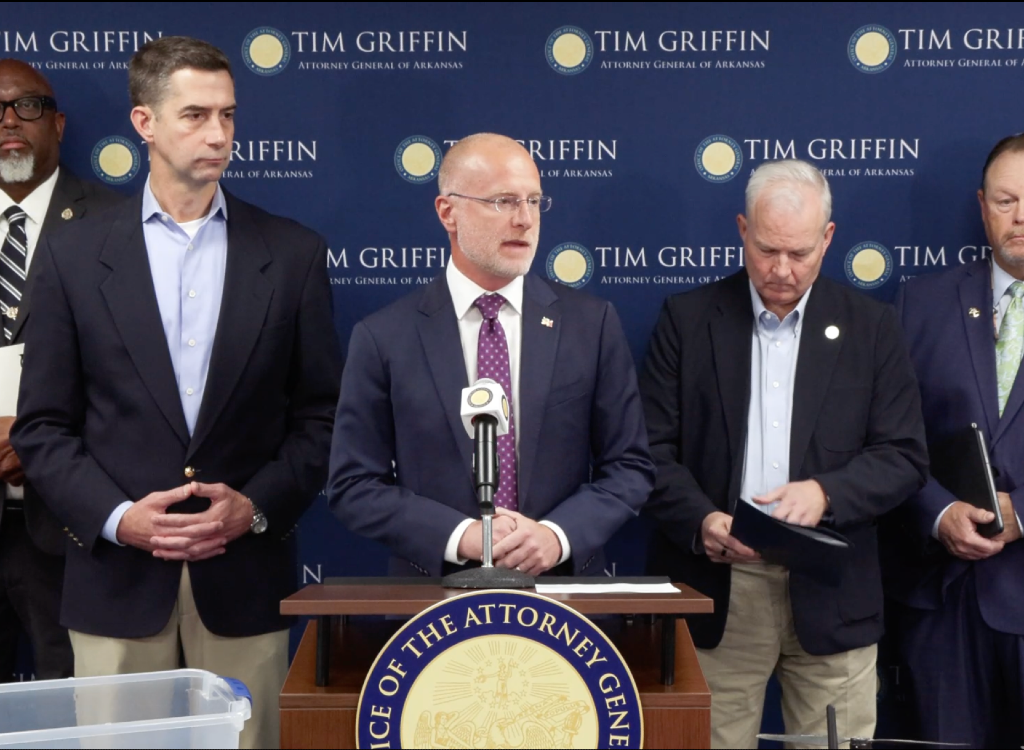
Speaking at a press conference in Little Rock alongside Sen. Tom Cotton (R-Ark.) and Arkansas Attorney General Tim Griffin, Carr said the FCC would vote on the proposal at its Nov. 19 meeting. The agency plans to release a draft decision in the coming days, he said. The rules would authorize correctional facilities to use targeted jamming technology but would not require them to do so.

“Over a half a million, roughly 500,000 inmates right now have had access to contraband cell phones,” Carr said, adding that inmates use the devices to order attacks, coordinate kidnappings, run drug operations and engage in child sexual exploitation. A study cited by Carr found that correctional authorities recover roughly 25,000 contraband cellphones annually.
Carr said the FCC’s proposal would allow correctional officials to target specific areas inside facilities while preventing interference with legitimate wireless communications outside prison walls. He described the technology as a tool that has been unavailable to law enforcement and corrections officials for too long.
“This isn't gonna be a silver bullet at the end of the day, but is a tool that has been denied law enforcement, and corrections officials, for too long,” Carr said.
Cotton, who has pushed legislation to authorize cellphone jamming in correctional facilities, said inmates have used smuggled phones to facilitate violent crimes. He cited a Georgia prison drug operation that moved methamphetamine and heroin into the Atlanta area, as well as a South Carolina sextortion scheme that targeted hundreds of military personnel and was linked to suicides among victims.
“Behind bars, contraband cell phones are not a communications device only, they are a dangerous weapon,” Cotton said. He said he would continue working with colleagues in Congress to enact his Cellphone Jamming Reform Act, which would codify the changes into law.
Griffin said the FCC’s expected action follows years of pressure from lawmakers, attorneys general, prison officials and law enforcement. He said inmates have used contraband phones to coordinate drug deals, human trafficking and other crimes outside prison walls.
Griffin also argued that allowing the technology could spur private-sector investment and innovation, potentially lowering costs as more companies compete to provide jamming systems.
The FCC has faced years of calls to authorize cellphone jamming in correctional facilities. Under current federal restrictions, jamming equipment generally cannot be used to block wireless signals, even inside prisons. The proposed rules would establish a framework for correctional facilities to seek authorization for targeted systems while protecting lawful communications beyond designated areas.