FCC’s Carr Signals Tougher Oversight of Broadband Subsidies
FCC conducting a ‘top-to-bottom’ evaluation of USF programs, Carr says.

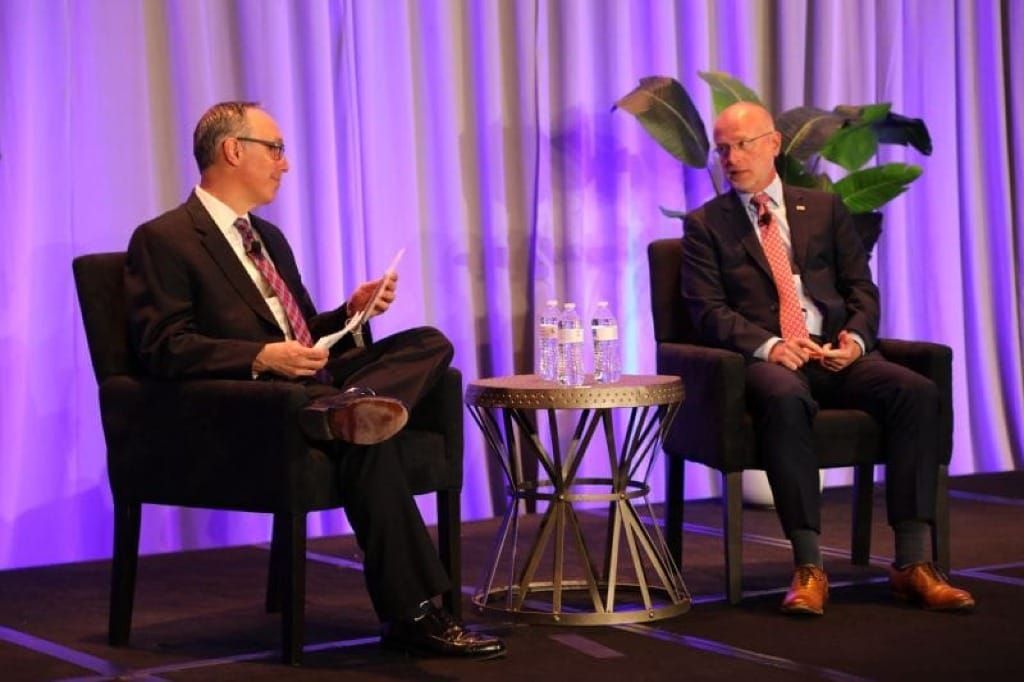
WASHINGTON, April 27, 2026 – Federal Communications Commission chairman Brendan Carr said cracking down on fraud in federal broadband subsidies will be a key focus of his broader “Build America Agenda.”
Speaking at a policy conference hosted by NTCA–The Rural Broadband Association, Carr signaled renewed scrutiny of the FCC’s Universal Service Fund programs. He pointed to misuse within these programs, including cases where benefits were issued improperly.
“We saw there was some fraud,” Carr said, referencing findings that included payments to deceased individuals within the Lifeline program. He cited instances in California as part of the agency’s ongoing review of subsidies that are aimed at providing connectivity to underserved consumers and institutions.

Carr said the FCC is now conducting what he described as a “top-to-bottom” evaluation of these programs and others to ensure they are meeting their intended purpose and protecting taxpayer dollars.
The USF supports four key programs aimed at expanding access to communications services across the United States – the FCC's Lifeline, E-Rate, Rural Health Care, and High-Cost programs.
For E-Rate, this would mean the use of a centralized bidding portal to avoid fraud in order for the Universal Service Administrative Company to have the ability to closely monitor activity.
Earlier this week, 80 groups advised the FCC to reject the proposal, citing concerns over delays and decreased participation from smaller institutions.
The effort comes as policymakers weigh broader reforms to the Universal Service Fund, including concerns about the program’s contribution factor, a fee applied to consumers’ telecom bills. Carr noted that Congress is actively exploring potential changes, with a Senate working group expected to propose reforms.
At the same time, Carr emphasized that addressing fraud is central to maintaining the integrity of subsidy programs, particularly as the FCC looks to modernize its approach to broadband deployment and affordability.
The focus on enforcement drew pushback from Anna Gomez, the FCC’s sole Democrat, who argued that the commission should prioritize expanding access to these subsidy programs rather than tightening eligibility in ways that could limit participation.