Fiber Industry Confronts Marathon of BEAD Compliance, Data Center Backlash
Fiber Connect 2026 panelists said the broadband buildout has become a marathon, reshaped by soaring make-ready costs.


ORLANDO, Fla., May 18, 2026 – The broadband buildout has shifted from a sprint into a marathon, panelists said Monday at Fiber Connect 2026, with providers now juggling compliance demands from the Broadband Equity, Access, and Deployment program against surging hyperscaler demand, tripling pole make-ready costs, and mounting local opposition to data centers.
Federal broadband programs have never undergone meaningful review between funding rounds, said Josh Summit, director of outside plant engineering and construction at Glo Fiber / Shentel, speaking on a BroadbandLive event at the conference.
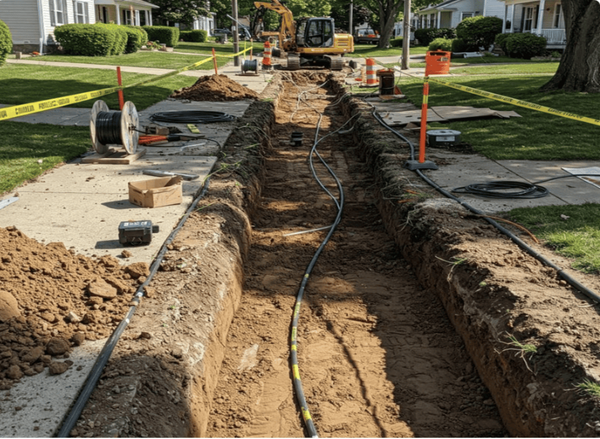
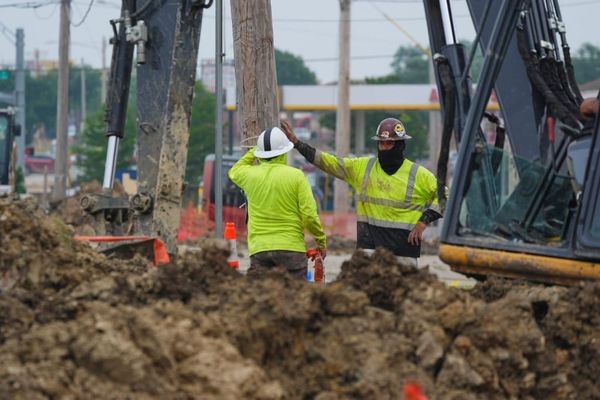
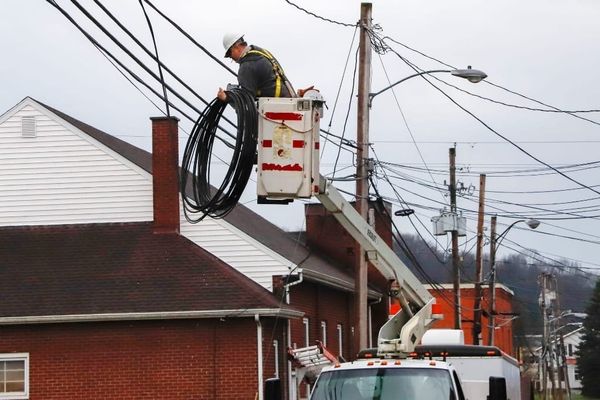
"There's never, in my opinion, been a “post-op” [review] after one of these programs, and I think that is one of the biggest downfalls in the industry," Summit said, reporting a roughly 300 percent increase in pole make-ready costs over the past five years. Rural builds that once ran $20,000 to $25,000 per mile, he said, now reach $100,000, driven by stricter pole loading requirements and preexisting noncompliance being charged to new attachers.
That cost pressure lands at the same moment state broadband offices are stretched thin, said Brian Allenby, director of state solutions at CostQuest Associates and a former Maine Connectivity Authority official. Providers winding down American Rescue Plan Act projects are simultaneously taking on BEAD subgrantee agreements, Allenby said.
Full Event Videos from Fiber Connect available to all
 Broadband Breakfast
The program's fixed-amount subaward structure introduces milestone-based reimbursement that will trickle slowly from the National Telecommunications and Information Administration down through states, subgrantees, primes, and subcontractors. "It is so important to get both the timing on the construction design phase right, but also on compliance," he said.
The industry has thinned out to serious operators in the process, according to Steve Kalomas, director of business development at SLED Infrastructure Partners, part of Lumen Technologies.
From a sprint to a marathon
"What it turned out to be is we had a lot of sprinters out there, and now we got the marathon folks that are out there today," Palomas said. Lumen is fielding inquiries from data center developers seeking fiber routes into rural America, he added, where cheaper electricity is pulling builders away from traditional hubs like Loudoun County, Virginia.
That rural shift is reshaping the landscape near providers' own footprints, Summit said, noting three data centers have popped up near his home in rural America, raising questions about who pays for the power upgrades needed to support them.
The moment recalls the early internet era, said James King, solutions engineer at Millennium, who urged providers to coordinate material purchases, engineering, and permitting timelines well in advance of deployment.
Build America, Buy America compliant fiber demand is rising sharply, King said, and distributors must manage expectations on supply chain availability as hyperscaler tailwinds collide with last-mile BEAD obligations.
Local opposition to data centers has surged in the meantime, with some states considering outright bans, said Brian Mitchell, principal consultant at ITG Communications, and the former Nevada state broadband officer.
"The favorability of data centers has dropped even faster than some politicians," Mitchell said, citing a Georgia case in which a data center's water draw raised local rates.
Allenby pointed to Maine Gov. Janet Mill’s recent veto of an 18-month moratorium passed by the legislature as evidence that policymakers want more deliberate siting frameworks, a view Allenby said could pull state broadband offices into a broader coordinating role alongside environmental and permitting agencies.
Artificial intelligence is reshaping operations across the industry, panelists agreed, from customer churn management at Glo Fiber to network event correlation at Lumen and proactive risk monitoring at CostQuest.
King closed by urging the industry to host honest, education-focused conversations about data centers, warning that social media has polarized public debate on infrastructure siting.