Free Prison Calls Linked to Better Reentry Outcomes
Researchers said eliminating communication fees increased family contact and reduced financial strain.

Georgina Mackie
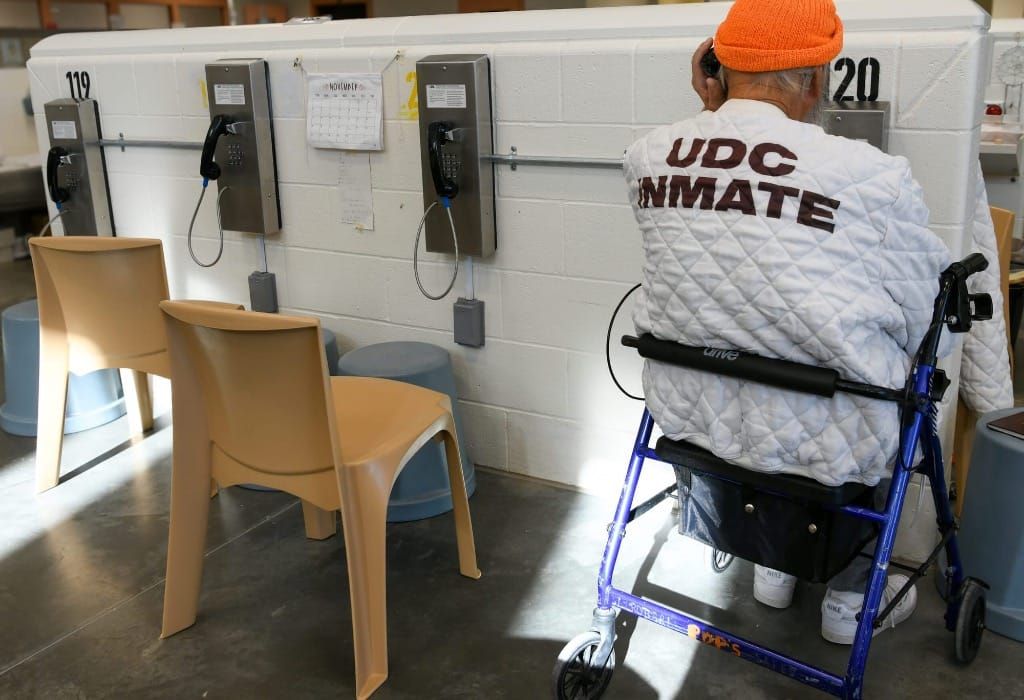
WASHINGTON, May 7, 2026 – Free prison and jail phone call policies increased communication between incarcerated people and their families while reducing financial strain and improving reentry outcomes, according to a report released Thursday.
The report by prison reform nonprofit Worth Rises examined prison systems and local jails that eliminated fees for phone calls and other communication services.
Researchers analyzed data from six prison systems and more than a dozen jail systems and interviewed incarcerated people, family members, correctional staff, and formerly incarcerated people.
More than 330,000 incarcerated people now have access to free phone calls under the policies reviewed in the report, according to Worth Rises. Researchers said the changes generated nearly 600 million additional phone calls and 6.4 billion additional minutes of communication.
Average daily call use per incarcerated person rose from 25.1 minutes to 44.8 minutes in prisons and from 26.7 minutes to 56.7 minutes in jails after facilities adopted free communication policies, the report found.
Families saved an estimated $622 million after jurisdictions eliminated communication charges, according to the study. Researchers said many families redirected those savings toward housing, debt payments, and other household expenses.
Worth Rises said expanded communication access strengthened family stability, increased economic mobility, reduced facility violence, and improved rehabilitation outcomes for incarcerated people.
Correctional staff interviewed for the report described free communication access as a tool that reduced tensions and operational disruptions inside facilities.
“The free phone calls have reduced stressors greatly… It’s brought a calming effect to the [incarcerated] population” said Justin Oles, deputy warden at Connecticut prison.
Incarcerated parents used expanded communication access to help children with homework, maintain relationships, and participate more consistently in family life during incarceration, the report also found.
Researchers said stronger communication networks also helped incarcerated people prepare for parole hearings, employment, housing, and treatment programs before release.
The study examined prison systems in California, Connecticut, Massachusetts, Minnesota, and New York, along with the federal prison system and multiple county jails.
Worth Rises described the prison communications sector as a $1.5 billion industry built around charging incarcerated people and their families for phone calls and messaging services.
The report arrives as the Federal Communications Commission once again revisiting prison communications policy under the Martha Wright-Reed Just and Reasonable Communications Act.
Under former FCC Chairwoman Jessica Rosenworcel, the agency approved 2024 rules that capped prison and jail phone rates, extended oversight to video calls, and restricted many ancillary fees after Congress expanded the FCC’s authority over the industry.
But after Chair Brendan Carr took over the agency, the FCC paused key parts of Rosenworcel’s framework and launched a new rulemaking process that could revise or weaken several of the earlier caps.
Carr argued the prior rules risked “negative, unintended consequences” for correctional facilities and communications providers, while critics said the agency was effectively scrapping reforms designed to lower costs for incarcerated people and their families.
The FCC granted Securus Technologies a temporary waiver delaying compliance with parts of the agency’s prison communications pricing reforms in April, after the company argued immediate compliance could disrupt video communication services.
Today, three providers control nearly 90 percent of the prison telecommunications market, according to the report.