
House Commerce Committee Clears FirstNet Reauthorization Bill
Updated bill language would still increase NTIA oversight of FirstNet Authority.

WASHINGTON, March 25, 2026 – The House Energy and Commerce Committee advanced a bill Wednesday to reauthorize the agency tasked with managing a nationwide first responder network.
The FirstNet Authority oversees FirstNet, the nationwide first responder network owned and operated by AT&T under a contract with the Commerce Department. The FirstNet Authority will sunset in February 2027 unless Congress reauthorizes it, something that users and lawmakers broadly agree would be disruptive.
The bill included some revisions from a draft put forward in January, the product of negotiations aimed at getting some reticent law enforcement groups on board. The committee touted support from more than a dozen public safety groups, but some were still opposed to more Commerce Department oversight of the FirstNet Authority.

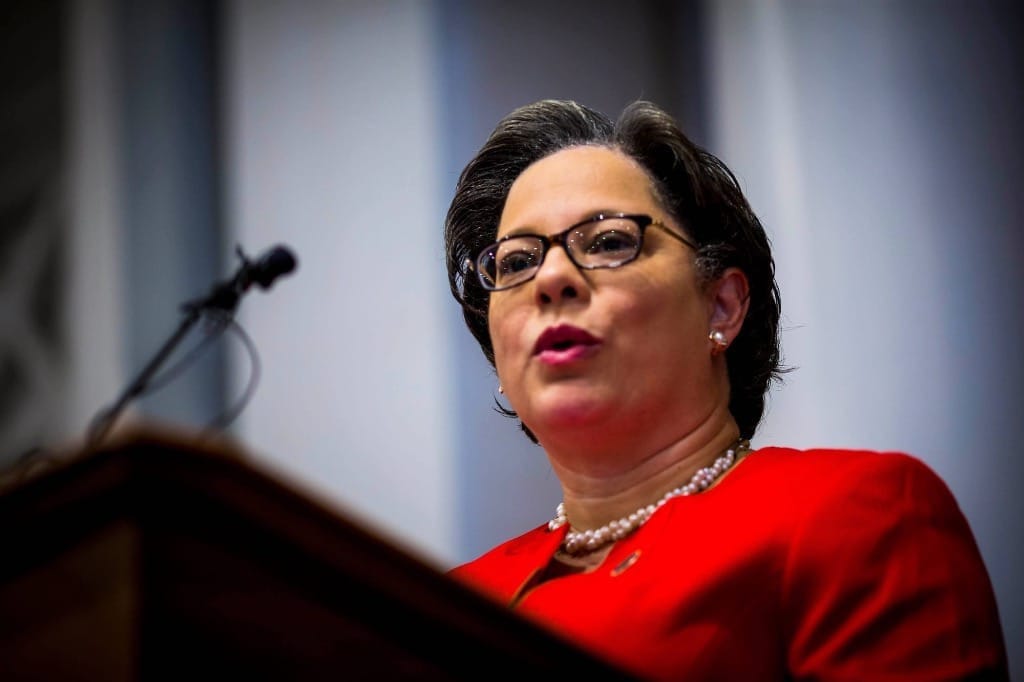
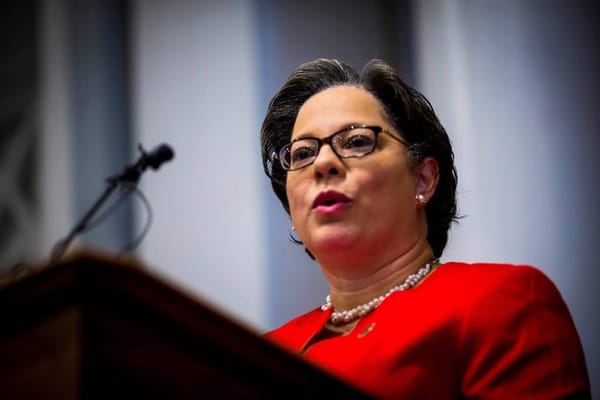
The reauthorization bill, updated to include an amendment from Rep. Jennifer McClellan, D-Va., one of the original sponsors, would still reauthorize FirstNet Authority through September 2037. It would also still require the Commerce Department’s National Telecommunications and Information Administration to approve any action taken by the FirstNet Authority.
The updated version would spell out which actions FNA could take without prior approval, something the previous draft would have left NTIA to decide. The approved actions include deploying resources during an emergency, conducting outreach to public safety users, and other management activities.
The bill would also now require NTIA to respond to any FirstNet Authority “reinvestment decision or task order” within 60 days, and no longer includes an expanded definition of interoperability.
“This amendment reflects a thoughtful, bipartisan compromise,” McClellan said. “We worked through areas of disagreement, listened to stakeholders, and made targeted changes to ensure the bill supports FirstNet’s mission without creating unintended consequences.”
The bill cleared the committee by a 51-0 vote. The committee touted a letter signed by 15 public safety organizations, including the International Association of Fire Chiefs and National League of Cities, supporting the bill.
The bill would allow FirstNet Authority to address emergencies and operate generally “in a timely manner without bureaucratic interference,” the groups wrote. They also noted
Some groups, the Fraternal Order of Police and the Public Safety Broadband Technology Association, have opposed more oversight of FirstNet and still opposed the bill. The FOP wrote multiple letters to committee members and urged members to call lawmakers in support of a clean reauthorization bill with no changes to FirstNet’s structure.
Rep. Richard Hudson, R-N.C., said that simply wasn’t an option for House lawmakers.
“To those who still oppose this legislation because they believe the only path forward is a clean reauthorization with no reforms, and to strike the sunset date and remove Congressional oversight and review forever: That was never on the table, or an appropriate path forward,” he said.
Senators appeared to favor more oversight in a January hearing on the issue. The Commerce Department’s inspector general issued negative reports on the FirstNet Authority in recent years that make clear that the current governing structure has not provided consistent performance oversight,” Sen. Deb Fischer, R-Neb., said at the hearing.
AT&T, for its part, said it was a fan of the bill.
“This legislation ensures that the critically important FirstNet program, dedicated to public safety, will continue into the future,” Mike Ferguson, AT&T’s executive vice president of federal legislative relations, said in a statement. “We urge the Senate to take up FirstNet reauthorization as soon as possible so a final bill can move to the President’s desk.”
New Street Research Policy Advisor Blair Levin said in a February research note that the previous draft was “generally favorable” for AT&T, as it focused on changing the FNA’s governing structure rather than the underlying economics of the company's contract with the government.




Member discussion