Is it Easy or Tricky to Defend Big Tech in the Second Trump Administration?
One group always standing the corner of the technology industry is the Computer and Communications Industry Association.

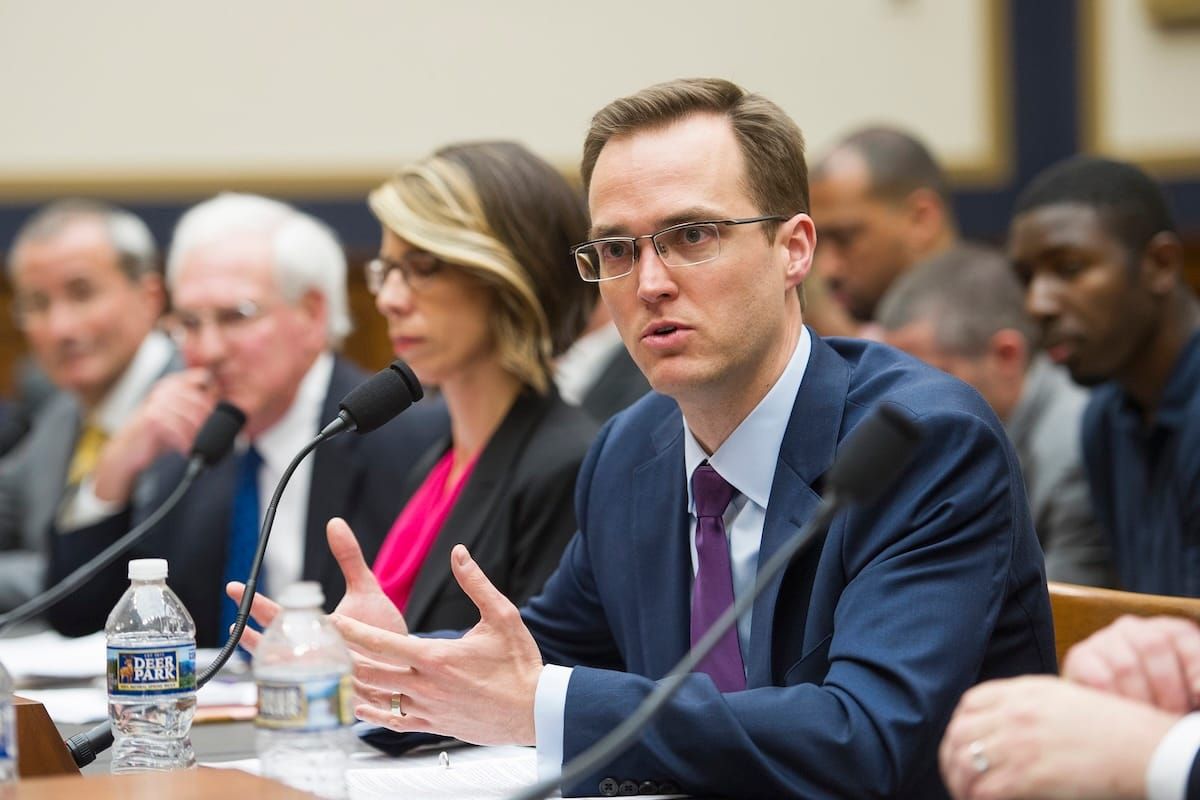
WASHINGTON, May 31, 2026 – Advocacy groups and think tanks sit on just about every corner in Washington. But when it comes to big tech companies, few are willing to go to the mat for them all the time.
Battles over content moderation, platform liability, and artificial intelligence safety have pulled tech giants into increasingly public fights with lawmakers and the White House, turning Silicon Valley from a once-largely-untouchable industry into arguably one of Washington’s biggest political foes, and occasionally, a friend.

Only the latest episode of the battle between big tech and almost everyone else: The CEOs of Meta, Alphabet, TikTok and Snap were summoned to testify before the Senate Judiciary Committee on June 23, which is recognized by some as Social Media Victims’ Remembrance Day.
But the alliances surrounding those debates have grown far more complicated simply pro-tech versus anti-tech. Many companies have taken issue-by-issue positions driven largely by business interests, backing regulation in some areas while fiercely opposing it in others.
In the middle of the ring are lobbying groups who are willing to put up a fight when it comes to controversial issues, like the battle between the White House and artificial intelligence model-maker Anthropic. The Computer & Communications Industry Association (CCIA) is one group stepping into that breach.
Anthropic vs. the White House
Big tech usually falls in line with the White House when it comes to AI, championing what they both call a pro-innovation and anti-regulation agenda.
On Feb. 27, when President Donald Trump pushed for unrestricted military use of Anthropic’s AI technology, CEO Dario Amodei said his company “cannot in good conscience accede” to the Pentagon’s demand. This brought Anthropic to a head with the federal government.
In retaliation, the Trump administration designated the AI company a “supply chain risk,” a move that ordered all federal agencies to phase out the use of Anthropic technology and implied the potential to enable sabotage, surveillance or exploitation from foreign adversaries to the U.S. government or military.
CCIA and other prominent tech companies, including Microsoft, backed Anthropic in court filings.
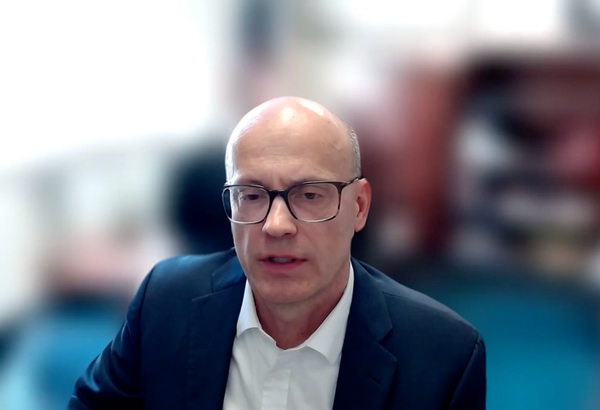
“Designating a company as a supply chain risk is a tool normally reserved for foreign adversaries, and should be used with discretion and proper procedure,” said CCIA CEO Matt Schruers. “It is risky to U.S. innovation and competition to allow the government to unfairly discourage doing business with a U.S. AI company as it competes with foreign AI companies.”
The Information Technology Industry Council (ITI), TechNet, and other trade groups also joined CCIA in filing an amicus brief backing Anthropic. Together, the groups said the supply chain risk designation sets up a “system in which agencies may bypass governing statutes and regulations at presidential or secretarial command” and “is not the system Congress designed.”
While these groups stood together, the CCIA’s individual statement defending Anthropic came off sharper in criticism of Trump.
NetChoice and the Consumer Technology Association (CTA), two other prominent technology trade groups, didn’t make statements on the Anthropic situation. Both groups have consistently supported and applauded Trump’s AI framework.
“The Trump administration understands that it was a light-touch regulatory environment, not 50 different confusing and conflicting regulatory regimes, that enabled the internet revolution and that innovation and investment in winning the AI future for America will require a similar approach,” said NetChoice Director of Policy Patrick Hedger on March 20.
On the same day, CTA released a statement that said, “President Trump recognizes an American-led AI future will unlock economic growth and spark innovation. His framework offers real steps to make that happen.” In an April 16 Expert Opinion in Broadband Breakfast, CTA Executive Chairman Gary Shapiro said that the “war” on Section 230 and AI innovation stem from a similar anti-technology bias.
While these trade groups often support one another, facing off with the federal government presents a different challenge, and some groups drew the line with Trump’s attacks on Anthropic. Others stayed silent.
Section 230 and Content Moderation
The issue of Section 230 has grown increasingly complicated.
Passed 30 years ago as part of the 1996 Telecom Act, Section 230 shields social media platforms from liability for content posted by users on their platforms, and has grown more controversial with each passing year.
The law may keep social media platforms from ruinous litigation, but it also draws attention to social media’s apparent harms, big tech’s big power, and various concerns about free speech or censorship.
“For so long tech companies have used Section 230 as an excuse for companies to avoid taking meaningful action to protect users, especially kids, from egregious harms, harassment and abuse, fraud, and scams,” said Sen. Brian Schatz, D-Hawaii, at a Telecom Act committee hearing in March. “It’s not that they don’t know it’s happening … it’s that to do something would harm their bottom line.”
As for Trump himself, he used to be a strong voice of support for changing Section 230 during his first term.
But in between the first and second terms, in February 2022, Trump founded his conservative-focused social media platform, Truth Social. In December 2022, when he announced his bid for the presidency in the 2024 election, Trump said Section 230 protections should only be offered if the platforms practice "neutrality" in how they moderate user content. But he hasn’t spoken about the subject in nearly three-and-a-half years.
Ahead of a March 2026 Section 230 hearing, NetChoice backed all social media platforms, urging the committee to recognize the existing success of the provision. The group said the section is a “critical legal firewall that prevents the weaponization of liability from crushing American innovation and silencing speech online.”
CTA followed up with the same message, and encouraged “Congress to pursue a pro-innovation agenda” by protecting Section 230 and the First Amendment.
While industry technology groups are pro-Section 230, Congress large agrees that the provision needs changes. But they can’t agree on how it should be changed.
Some legislators want a full sunset on 230, while others call for modernization.
On April 20, the CCIA also backed Apple, Google, and Meta in a Section 230 dispute, and said the companies shouldn’t be held responsible for monetization tools and content created by users or app developers on their platforms.
At the state level, several proposed bills have targeted content moderation. CCIA has consistently opposed them, arguing state overreach and violation of First Amendment rights.