Little Talk of BEAD at Lutnick’s House Hearing
He did not repeat his goal of non-deployment guidance ‘over the next two months,’ which he told senators Wednesday.

WASHINGTON, April 23, 2026 – Commerce Secretary Howard Lutnick testified before House appropriators Thursday on the agency’s 2027 budget request. Commerce’s $42.45 billion broadband expansion program was not a frequent topic of discussion.
Lutnick told senators Wednesday the agency was aiming to complete guidance on how states could use BEAD non-deployment funding “over the next two months.” He did not repeat that assurance Thursday when asked by Rep. Hal Rogers, R-Ky., when the guidance would be ready.
He instead noted the wide array of input the National Telecommunications and Information Administration had received from various stakeholders and said that would inform a plan to “go out and now do new and exciting things with the money, in the model of the statute that you gave us.”

More than half of BEAD’s funding falls into the non-deployment category, partly the result of Trump administration efforts to keep costs down on deployment projects. Guidance on how that money can be used was expected March 11, along with guidance on which state AI laws would qualify as so “onerous” that Commerce would prevent states from spending the money, but the agency pushed that back last month.
Pole confusion
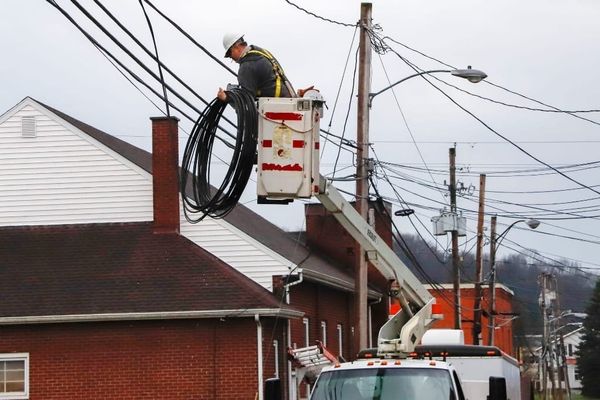
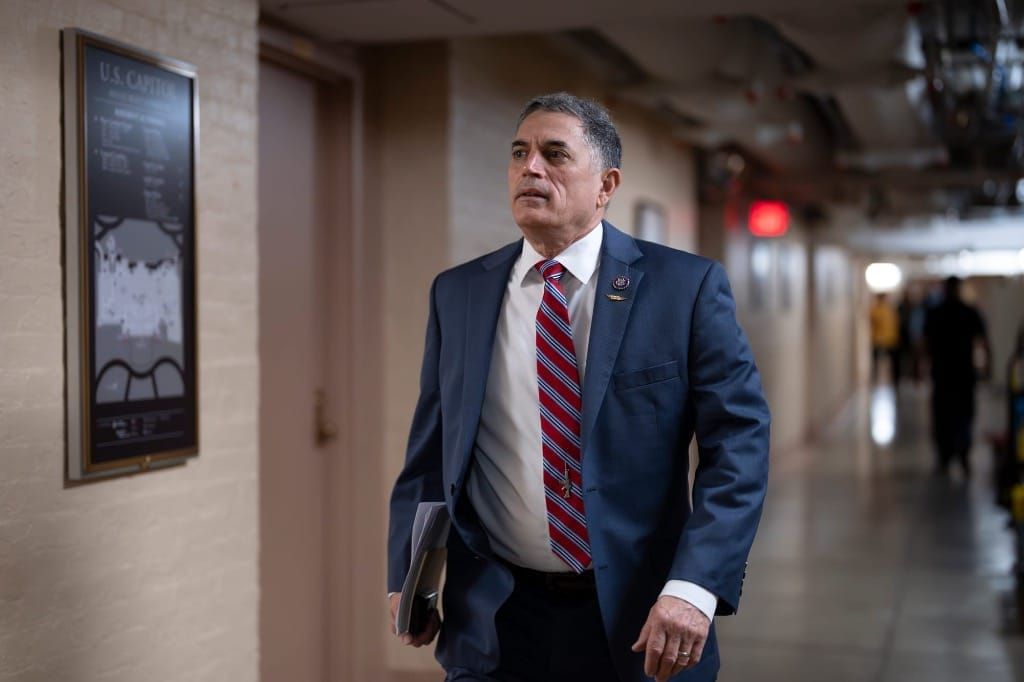
In the longest sustained BEAD discussion, Rep. Andrew Clyde, R-Ga., said he was concerned an electric cooperative in the state might be forced to comply with federal pole attachment fee and access rules throughout its entire footprint if it took BEAD money.
The burden of complying with those rules could have caused the company to walk away entirely, Clyde said.
Lutnick clarified that since the cooperative’s pole attachment agreements were regulated by the Tennessee Valley Authority, it would not have to comply with Federal Communications Commission rules. That lines up with NTIA’s latest BEAD FAQ from April 2.
BEAD participants that own poles do generally have to bring their poles into compliance with FCC regulations, a rule that applies to their entire pole portfolio within the state they’re taking BEAD money from. There’s an exception for pole owners already under the jurisdiction of a state law or other regulatory authority like the TVA.
FCC pole attachment rules apply to investor-owned utilities in 23 states by default. State laws preempt the federal rules elsewhere.
Digital Equity Act
The Trump administration is asking Congress to cancel about $2.2 billion in funding for NTIA’s digital equity programs.
The request was only mentioned once, when Rep. Grace Meng, D-N.Y., mentioned it as part of a larger “Commerce budget that would make things worse.”
NTIA cancelled grants under the program last year, claiming provisions targeting funds to racial minority communities, among other groups like the elderly and veterans, was unconstitutional. The Trump adminstration is being sued over the move by the National Digital Inclusion Alliance.
NTIA did not cancel digital equity funding for Tribal entities, and is planning on issuing a new notice of funding opportunity for that subset of the program. The agency conducted two virtual listening sessions and received written comments on how best to structure that earlier this year, the agency said in its budget justification.