Local Governments Push Back on House Broadband Permitting Bill
The American Broadband Deployment Act would impose shot clocks on local reviews.

WASHINGTON, April 17, 2026 – The battle for who will control local rights-of-way is continuing before Congress.
Local governments are urging House lawmakers not to move forward with a broadband permitting bill they say would undermine their ability to make sure projects are done safely.
Their Thursday letter to House leadership comes three days after a dozen broadband trade groups pushed the chamber to pass the legislation “without delay.” The bill was placed on the Union Calendar Wednesday, making it eligible for a floor vote which has yet to be scheduled.

The American Broadband Deployment Act “creates a framework that prioritizes communication companies’ shareholder value at the expense of the safety and financial interests of the communities and the taxpayers they serve,” the local organizations wrote. “The bill effectively forces local taxpayers to subsidize private providers' administrative expenses – a cost that falls entirely on the public.”
The letter was signed by the National Association of Counties, the U.S. Conference of Mayors, the National League of Cities, and NATOA, which represents state telecom regulators.
The bill, a collection of language from what was once more than 20 separate bills, would give state and local permitting agencies between 60 and 150 days, depending on the situation, to approve or deny requests to build or modify broadband infrastructure. After that, the request would be deemed approved.
It would also put caps on permitting fees, among other things.
All that amounts, the groups argued, to effectively blocking permitting agencies from doing what they said was essential work to ensure projects were safe and longlasting. They told lawmakers that the real broadband permitting problem was on federal lands, something lawmakers have advanced in separate legislation to address.
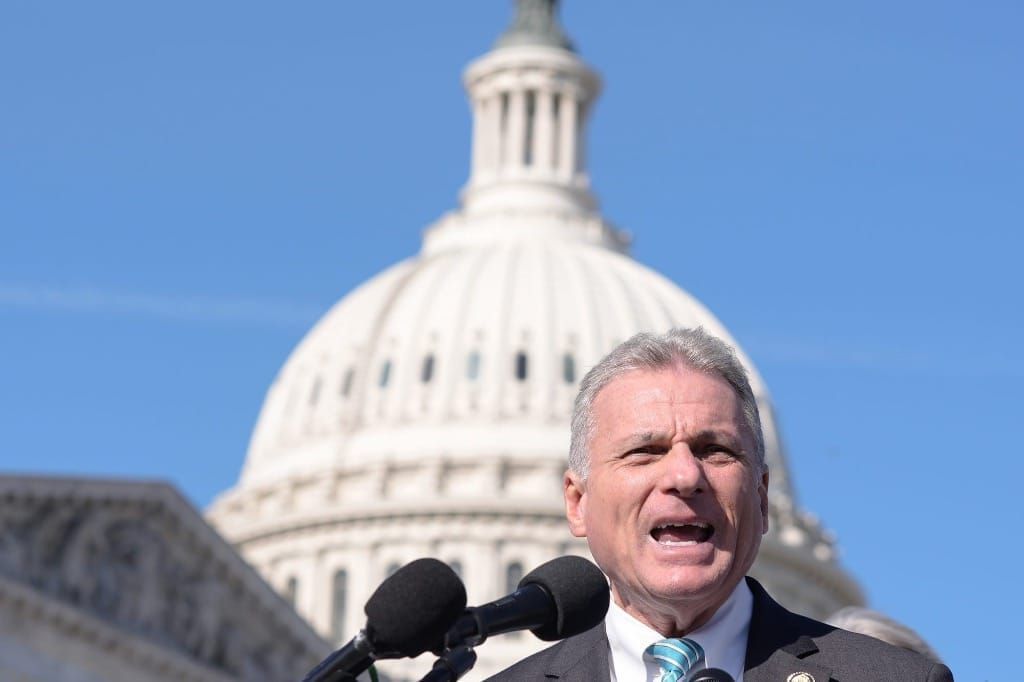
The American Broadband Deployment Act, led by Rep. Buddy Carter, R-Ga., cleared the House Energy and Commerce Committee in December along party lines.
Broadband providers say they need predictable processes to avoid projects getting held up for months by local reviews.
“Clear rules of the road, such as streamlined review for deployments on existing infrastructure and firm shot clocks for application decisions, are essential to a connected future,” the trade groups wrote Monday. “Congress should make this predictable, proportionate, and transparent permitting process consistently available nationwide.”
Arielle Roth, head of the National Telecommunications and Information Administration, has said she would support using some of a $22 billion pot of broadband funding to improve local permitting processes, though the agency hasn’t made any final decisions. Opponents to Carter’s bill have said a major reason some local reviews drag on is a lack of resources to process lengthy applications.
A similar dispute is playing out before the Federal Communications Commission. The FCC has sought input on state and local permitting rules it should consider using its authority to preempt. ISPs have urged the agency to also consider expanding shot clocks and fee caps, while local governments have maintained their fees are reasonable and reviews are necessary for safety reasons.