Might SpaceX Want an MVNO?
The major carriers have said they’re uninterested.

WASHINGTON, May 5, 2026 – Direct-to-device satellite operators like SpaceX and Amazon could have reason to be interested in a mobile virtual network operator (MVNO) deal with one of the mobile carriers, New Street Research analysts said in recent investor notes.
Executives from the carriers have said they’re not interested for now.
T-Mobile CEO Srini Gopalan and AT&T CEO John Stankey said on their earnings calls last week that a satellite MVNO wouldn’t make sense for them, as it wouldn’t obviously address a new market they couldn’t reach today. The issue didn’t come up on Verizon’s call, but the company told Fierce Network Friday that it was in the same camp as the other national carriers. Verizon confirmed its position in a statement to Broadband Breakfast Tuesday.

Given SpaceX and Amazon’s desire to move into the direct-to-device space, the potential for an MVNO deal has been a topic of discussion at the Connect X conference in Fort Lauderdale, Fl., New Street analyst David Barden wrote in an investor note Tuesday.
“Across the panels a consistent theme was the potential for Starlink or Amazon Leo to enter into an MVNO with one of the big three domestic carriers,” he wrote. “The consistent message over the course of the afternoon was that while anything is possible, the most likely outcome would be a durable wholesale agreement with one or more carriers similar to the current TMUS and Starlink agreement.”
Starlink uses T-Mobile spectrum to provide direct-to-device connectivity outside the reach of T-Mobile’s network under its current partnership. Gopalan said last week it was mostly used in national parks, and was seeing less usage than anticipated.
Barden reported that Robert Brown, vice president of business development and strategic partnerships at Viasat, “conclusively said that it was inevitable that both Starlink and Leo would enter into an MVNO sometime in the next 5 years. In which country is unclear.”
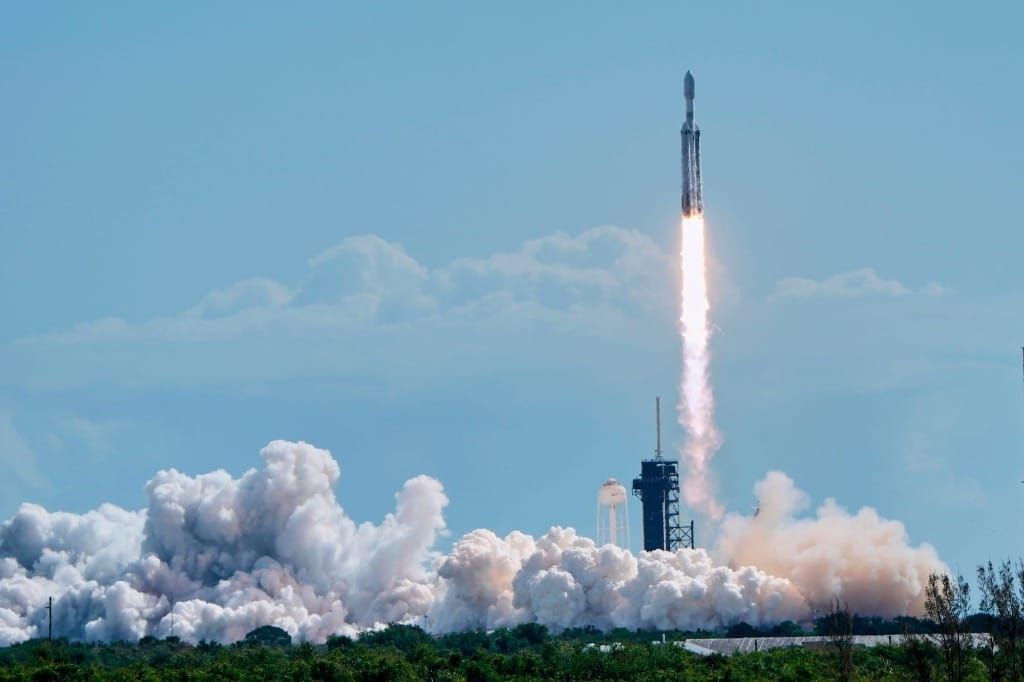
SpaceX has big ambitions for its Starlink Mobile service. It’s asked the FCC for approval to launch 15,000 satellites to support it, and is buying spectrum from EchoStar for $19.6 billion. Amazon is also in the process of acquiring Globalstar, which provides direct-to-cell for Apple phones, for $11.6 billion.
If either wanted to compete directly with the terrestrial carriers, they would need an MVNO, New Street policy advisor Blair Levin wrote in a Monday note. LEO satellite capacity is more uniform than terrestrial ones, he wrote, and it wouldn’t make sense to launch more and more satellites to keep up with demand in urban areas.
Levin wrote that while it makes sense for each individual carrier to avoid an MVNO deal with a satellite company, each would prefer to be the one striking that deal rather than one of its competitors. He wrote SpaceX or Amazon could pursue similar deals with carriers in other countries and begin targeting business customers that frequently travel, thus opening up a new customer pool that might change the U.S. carriers’ tunes.
Or the companies could pursue an FCC policy of some kind that would increase their leverage, he wrote, noting SpaceX’s good relationship with the Trump administration.
SpaceX is an approved bidder in the FCC’s upcoming AWS-3 re-auction, but it’s not clear whether the company will try to acquire any of the auction’s licenses beyond two in an uplink band it’s already buying from EchoStar.