More Upper C-Band Lobbying Ahead of FCC Vote

The agency is set to vote tomorrow on rules for its auction in the band

More Upper C-Band Lobbying Ahead of FCC Vote
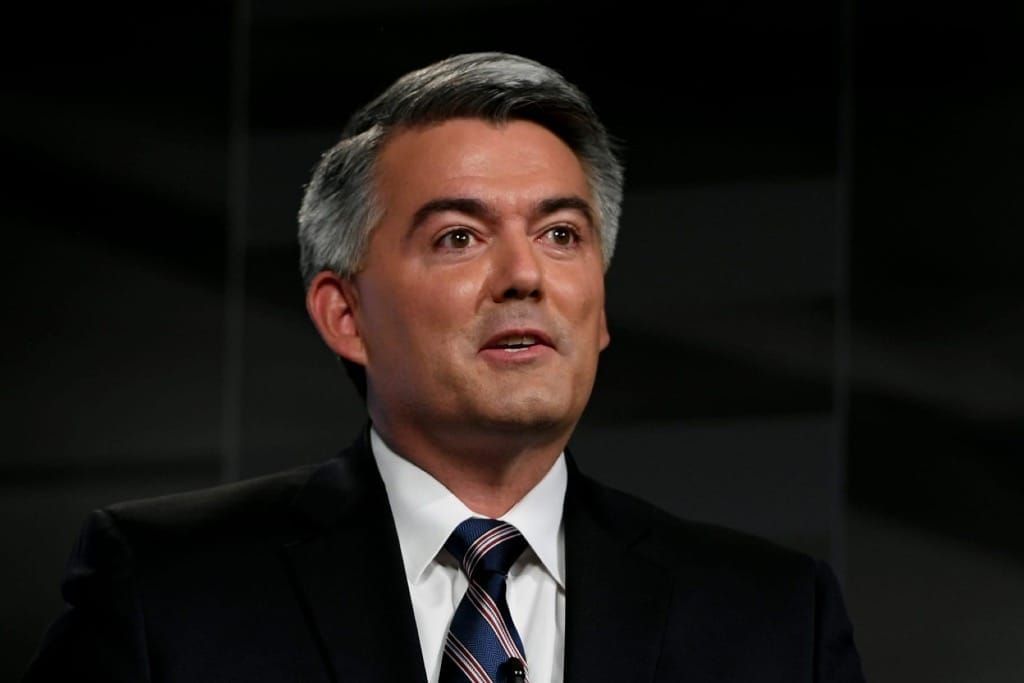
Photo of NCTA CEO Cory Gardner, then a U.S. Senator representing Colorado, in 2020 by Hyoung Chang/AP

WASHINGTON, July 21, 2026 – The Federal Communications Commission’s plan to sell off 160 megahertz of upper C-band spectrum received even more input last week ahead of the agency’s vote.

The FCC will vote on finalizing those plans at its meeting tomorrow, July 22. The draft order has already generated many meetings and filings as parties push the agency to make changes.

Spare altimeter rebates

Airlines for America, which represents the major U.S. airlines, said in a letter filed Friday and posted Monday that airlines should be reimbursed for replacing spare altimeters after the auction, not just the gear actually in use.

Altimeters, crucial components that measure a plane’s height above sea level, use spectrum adjacent to the upper C-band and will need to be replaced in all commercial aircraft for the spectrum to be used safely. Airlines will be reimbursed by auction winners under the draft rules.

Excluding spare parts from those rebates would end up “forcing airline operators to bear a portion of the transition costs that are a direct result of the transition to wireless operations in the Upper C-Band,” and “disrupting the continuity of airline operations throughout the retrofit process,” wrote Sharon Pinkerton, A4A’s senior vice president of regulatory policy.

CTIA, which represents the major wireless carriers that are likely to be the auction’s biggest winners, has opposed rebates for spare altimeters. The group said in a letter last week they amounted to ongoing costs not directly incurred by the auction.

CBRS

CTIA said in a more recent letter filed Friday and posted Monday that it was also opposed to groups that fear the order will result in interference with Citizens Broadband Radio Service spectrum.

The draft order would raise power limits in the lower C-band, which is next to shared CBRS spectrum used by wireless ISPs and private networks. Users of the spectrum worry the extra power would interfere with their equipment.

CTIA said technical studies submitted by the groups and Notre Dame engineering professor Monisha Ghosh “provide no basis” not to increase power limits, which it said would “substantially increase coverage” and increase capacity for the carriers’ fixed wireless broadband services.

NCTA, which represents that cable industry, meanwhile sent CEO and former Senator Cory Gardner to meet with FCC Chairman Brendan Carr last week to ask him to hold off on raising power limits. Cable giants Charter and Comcast use CBRS spectrum to offload traffic from their mobile service.

Gardner and other NCTA representatives argued the increased power limits “could negatively impact the adjacent CBRS band operating environment,” and suggested other paths forward, according to a filing posted Friday.

The filing didn’t specify what NCTA suggested.

Tribal window

The National Council of American Indians spoke last week with a top legal advisor to FCC Commissioner Anna Gomez, arguing for a Tribal licensing window. 

The draft order would decline to institute such a window, in which tribes can apply for free licenses covering their territories, where they say low population density makes it unlikely winning bidders will prioritize builds. The agency held a Tribal window before its 2.5 GHz auction in the first Trump administration.

NCAI argued the FCC should have a Tribal licensing window before the auction, or give Tribal nations more bidding credits if it declined, according to a Thursday filing.

Consumer advocacy groups like Public Knowledge and New America met with FCC staff last week also pushing for a Tribal window. 

The draft order said that future spectrum auctions were also bad candidates for Tribal windows, and the consumer groups said the agency should at least reverse course on that front and base its denial on the specific Congressional deadline for the upper C-band auction. That would leave the door open for expanded Tribal spectrum access in the future.

Satellite use

CTIA also opposed SpaceX’s request to take comment on using upper C-band spectrum for direct-to-device service. The carriers argue that would create “unnecessary, unsound new uncertainties as the Commission should be locking down issues ahead of the auction.”

SpaceX also wanted the draft order’s existing tight deployment deadline to remain in place and for the FCC to make a change allowing satellite connectivity to satisfy those requirements. That would incentivize carriers that won spectrum to allow SpaceX access in efforts to meet their buildout milestones and avoid losing their licenses.

CTIA was also opposed to that idea, it said in the Monday letter. The carriers want two- and six-year deadlines, rather than one- and five-year milestones.

Popular Tags