New Mexico Seeks Public Input on Digital Equity Standard
Nearly 23% of New Mexicans lack a computer; the standard aims to address gaps in devices, connectivity, skills, and online safety.

WASHINGTON, Nov. 2, 2026 - New Mexico is asking residents to help define the Minimum Digital Living Standard - the basic online access, devices, and skills every household needs.
New Mexico residents have until Dec.9, 2026, to help define the state’s proposed Minimum Digital Living Standard (MDLS) - a benchmark for what every household needs to participate fully and safely in an increasingly online world.
The Office of Broadband Access and Expansion announced the public-comment period in a press release issued October 28, inviting residents, Tribal communities, advocacy groups, libraries, schools, internet providers, and state and local agencies to weigh in on criteria covering digital hardware, knowledge, and skills.
OBAE says the standard must reflect New Mexico’s distinctive circumstances: diverse cultures and languages, tribal sovereignty, rural geography, affordability challenges, and varying levels of digital access.
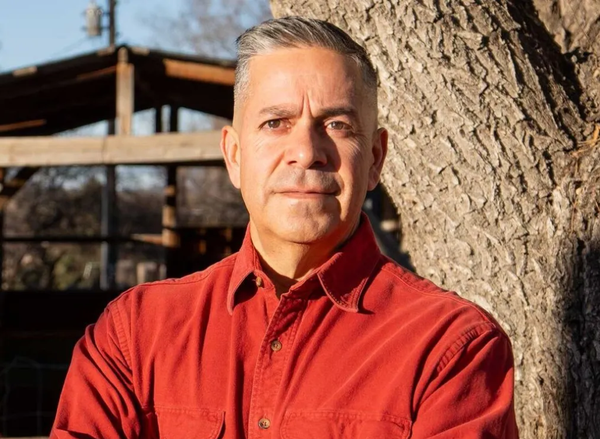
“Many essential services have moved online, and families in New Mexico must have access to cybersecurity, privacy, and consumer protection front and center,” OBAE Director Jeff Lopez said.
The proposal responds to significant gaps in digital opportunity. Nearly 23 percent of New Mexicans lack a desktop or laptop computer, according to OBAE data. The state also faces broader barriers: 38.4 percent of residents live in rural areas, 26.5 percent face language barriers, and 42 percent of households struggle to afford basic daily necessities, according to U.S. Census Bureau figures cited by OBAE.
By asking residents what constitutes adequate connectivity, devices, skills, and online safety, the MDLS aims to move beyond a narrow definition of broadband access. The results will inform public broadband programs, policies, and partnerships intended to make online tools and resources more equitable across communities and geographies.
The initiative aligns with OBAE’s Three-Year Statewide Broadband Plan for 2026-2028, which envisions universal access to affordable, high-quality, future-ready broadband while honoring the state’s diversity and heritage. After the comment period closes, OBAE will review submissions and publish the MDLS results and draft standard by January 2027.