Ookla: Geographic Location Impacts Cloud Responsiveness

The company found that location and infrastructure density impact cloud latency across the U.S.

Ookla: Geographic Location Impacts Cloud Responsiveness
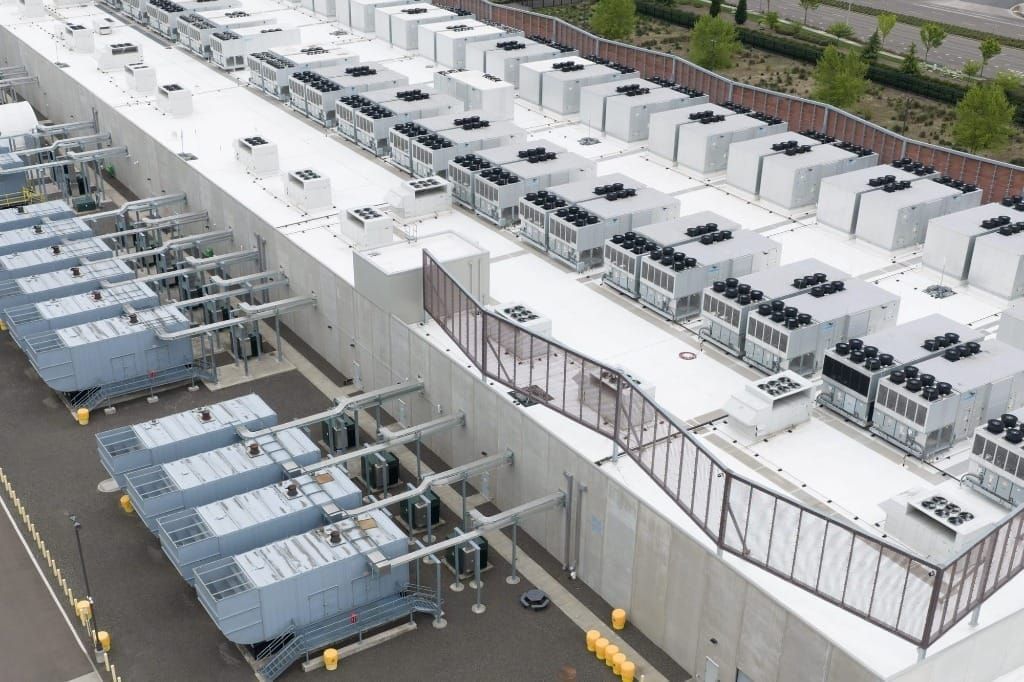
Photo of the roof of a data center in Hillsboro, Ore., on April 27, 2026, by Jenny Kane/AP.

WASHINGTON, July 27, 2026 – Cloud responsiveness for artificial intelligence is impacted by geography, a recent Ookla analysis found.

The internet metrics and data company compared 5G mobile data in cities across the U.S. In the analysis, Ookla lead industry analyst and report author Mike Dano wrote, “cloud latency can be impacted by a variety of factors including geographic location, internet routing infrastructure and operators’ traffic steering, peering and interconnect policies.”

Network latency has become crucial for the performance of AI because latency is part of the process of delivering AI computations to end users.

Ookla found cloud latency varied significantly across U.S. cities, with smaller, rural U.S. cities experiencing a higher median cloud latency. Providence, R.I. was the exception to this with a median cloud latency of 104 milliseconds. Across the U.S., Oracle generally showed higher latency measurements than AWS, Google Cloud and Microsoft Azure.

In the analysis, Ookla found location and infrastructure density can impact cloud latency, comparing major internet hub Chicago latency data with smaller city Roswell, N.M.

Latency measurements for Chicago were in some cases 40 ms or lower than Roswell. While the Windy City generally experiences lower latency, geographic fiber routing can allow smaller cities like Roswell to outperform in specific regional cloud destinations.

Location and routing can also impact cities’ ability to connect internationally. Chicago connects with European endpoints using a lower median cloud latency because the city is closer to the East Coast. Roswell’s location in the West allows it to connect faster with Asia and Australia. As artificial intelligence models are developed in other countries, cloud latency will impact the capability U.S. cities have to connect and run international models.

Users in Roswell typically experienced the fastest cloud latency with Verizon, while in Chicago, T-Mobile often experienced the fastest median cloud latency across eastern and western destinations.

Popular Tags