Ookla: Once ‘Science Fiction,’ Satellite-to-Mobile Phone Technology is Quietly Emerging
Ookla’s latest report reveals 24.5% space satellite growth between July 2025 and March 2026.

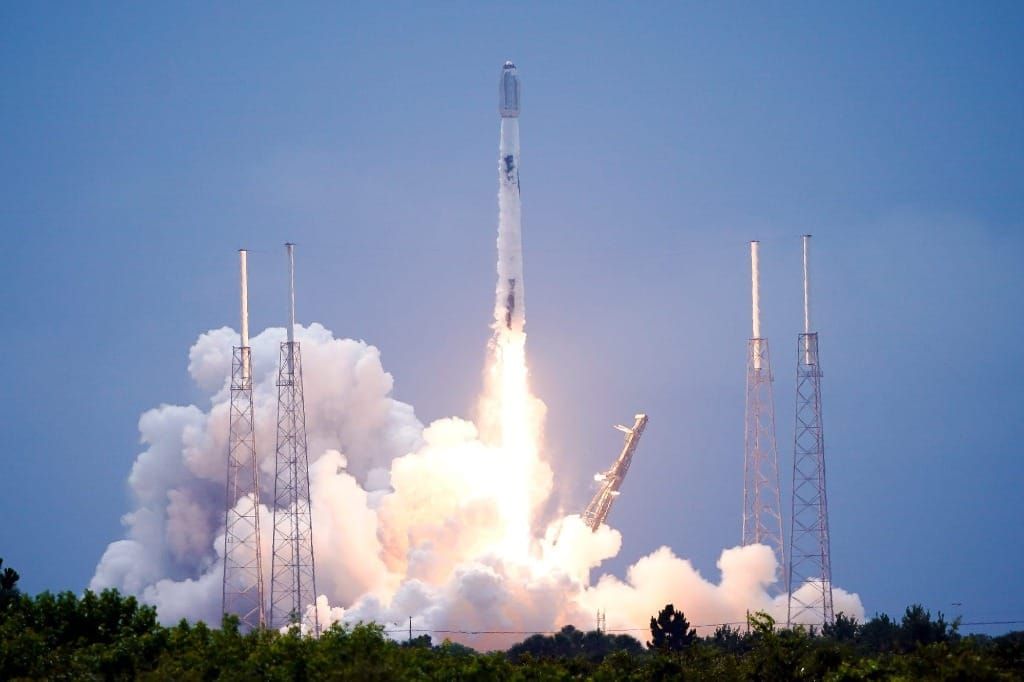
WASHINGTON, April 21, 2026 – When it comes to smartphones connecting to satellites orbiting Earth, Ookla said “science fiction” is finally becoming reality.
In a report released Tuesday, Ookla said everyday connectivity to satellites is steadily growing across the world as it works to provide outdoor cellular connectivity in hard-to-reach areas. The report examined the Direct-to-Device (D2D) marketplace, which connects smartphones directly to a satellite in space instead of a cell tower. Ookla said these D2D connections increased approximately 24.5% between July 2025 and March 2026, but did not reveal the total number of D2D connections in existence.
“This development has significant implications for cellular network providers, telecom regulators, cell tower operators and equipment vendors – not to mention mobile users themselves,” said Mike Dano, Ookla’s lead industry analyst and author of the report. “After all, D2D technology ultimately promises to eliminate outdoor cellular dead zones globally.”

Ookla found that the United States is leading the world in D2D connections, maintaining 45.9% of the world’s connections as of March 2026. Following the U.S. is Australia at 18.1%, Chile at 10%, and Canada at 9.8%, which all have substantial rural landscapes that can benefit from space satellite connectivity.
Ookla said the steady growth in D2D connections coincided with Starlink Mobile’s launch in multiple countries, including Chile, Ukraine, Peru, and the U.K. However, the growth was also offset by declining connections in the U.S. and Canada due to T-Mobile and Rogers charging customers extra for the service.
While D2D connections are progressing, Ookla reported that a very small percentage of mobile users are actually utilizing the service, with the highest user rate at 1.26% in Chile. Ookla said this may be because D2D can only transmit a few bytes of data at a time as the technology is still maturing.
Ookla’s report also highlighted the results of a Starlink D2D drive test conducted in rural New York by RootMetrics. Texts were sent and received in a moving car, which put extra strain on a service meant to be stationary with a clear sky view, and ultimately showed a 60% success rate. RootMetrics reported that across 143 successful tests, the average rate was 1 minute, 17 seconds to send and then receive a text message.
Ookla also pointed to a February report from the Global mobile Suppliers Association (GSA), which said D2D connectivity is now in 15 countries, with an additional 61 countries and territories planning and testing space satellite launches. Starlink currently leads the D2D connection space with 59 partnerships, with AST SpaceMobile following behind at 28 partnerships.
“D2D likely won’t impact indoor coverage efforts, considering satellite-borne signals generally can’t penetrate buildings and other structures. This is important considering an estimated 80% of mobile data is consumed indoors. For mobile users – those in outdoor, rural areas – such details may not matter,” Dano said in the report. “The growing availability of D2D could lead to the elimination of outdoor cellular dead zones, ensuring smartphone connectivity virtually anywhere on the globe.”