RFK Jr. ‘Very Concerned’ About Cellphone Radiation, Launches Safety Study

Analyst Blair Levin said the inquiry was unlikely to spur new wireless regulations.

RFK Jr. ‘Very Concerned’ About Cellphone Radiation, Launches Safety Study
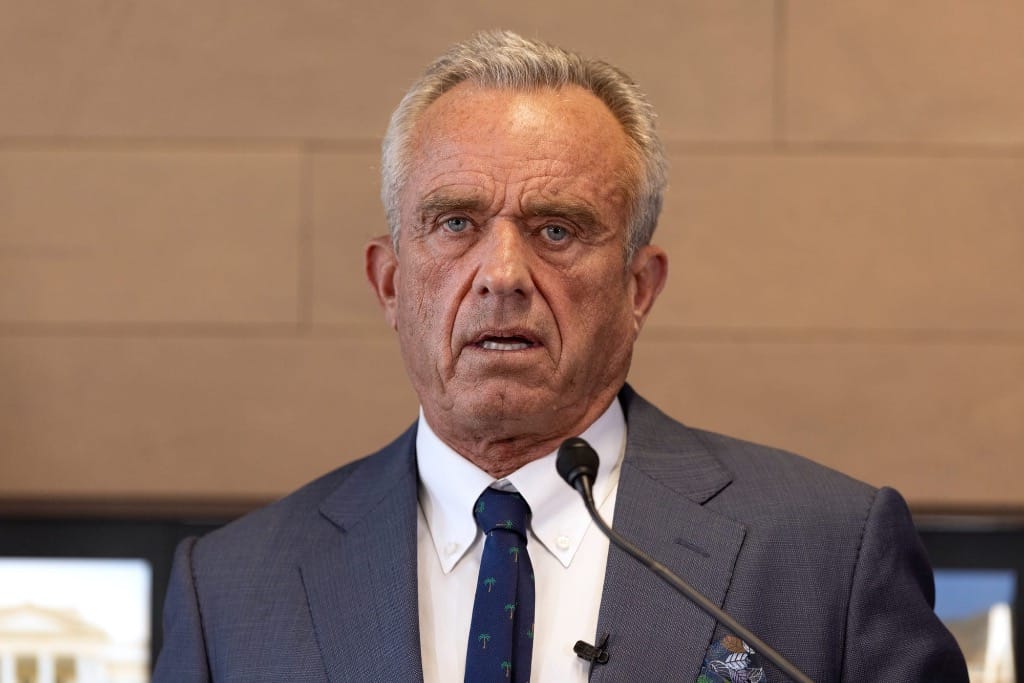
Photo of Health and Human Services Secretary Robert F. Kennedy Jr. by Melissa Majchrzak/AP

WASHINGTON, Jan. 20, 2026 – Health and Human Services Secretary Robert F. Kennedy Jr. said in a Friday interview with USA Today that he was “very concerned” about radiation from cellphones. Spokespersons for the department also told media outlets last week that HHS was undertaking a study into potential health effects of electromagnetic radiation.

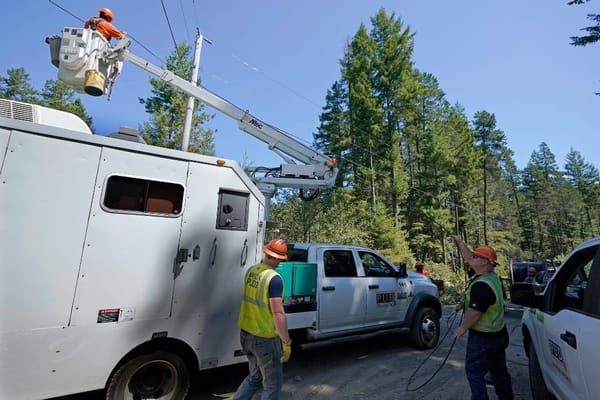
That comes as the Federal Communications Commission is considering making it easier for wireless carriers to deploy new infrastructure, and is working to auction off more airwaves for mobile use. The Commerce Department is also leading an effort to find spectrum currently used by government agencies that could be vacated and sold to the carriers.

In a potential conflict between those efforts, the pro-wireless industry side is likely to win out, according to Blair Levin, policy advisor at New Street Research and former FCC chief of staff.

That’s largely because dozens of scientific studies from the World Health Organization and others have found no link between cellphones and cancer or other diseases, which he said would make it easy for the industry to overturn any new HHS regulations in court or evade liability in the event of a lawsuit

“Given the scientific evidence to date, if HHS attempts to force the wireless industry to adopt costly changes to their current operations, we do not see it as likely that the courts will uphold such HHS regulation,” Levin wrote.

The FCC, which sets limits on radiofrequency exposure limits, still has pages on its website maintaining its position that “no scientific evidence establishes a causal link between wireless device use and cancer or other illnesses” and that “there is no basis on which to establish a different safety threshold than our current requirements.” 

The agency's webpage directs to multiple Food and Drug Administration pages that previously echoed the FCC’s position but have since been removed from the FDA’s website. HHS houses the FDA.

“The FDA removed webpages with old conclusions about cell phone radiation while HHS undertakes a study on electromagnetic radiation and health research to identify gaps in knowledge, including on new technologies, to ensure safety and efficacy,” HHS Spokesman Andrew Nixon said in a statement to Broadband Breakfast. “The study was directed by President Trump’s MAHA Commission in its strategy report.”

The FCC did not immediately respond to a request for comment. 

The agency has been fielding thousands of comments from groups and individuals concerned about health effects of wireless radiation. Some filed by Children’s Health Defense, an organization Kennedy chaired from 2015 until his presidential campaign in 2023, and many are submitted by individuals using a template provided by the group.

Organization Kennedy once chaired opposes an FCC proposal on wireless permitting

The commenters are opposed to an FCC proposal that seeks comment on preempting more state and local permitting rules to make it easier for carriers to deploy wireless infrastructure. The FCC enacted some similar preemptions for small cell facilities in 2018 under the first Trump administration, and the agency sought input on expanding those to larger infrastructure, as well as adding more shot clocks and nixing more local fees changes supported by the wireless industry.

Local governments also oppose the idea, but not for health-related reasons. They want to hang on to permitting authority they say is necessary to keep projects safe.

“We recognize that some state and local governments have taken important steps to modernize their approach to siting requests,” the agency wrote in the proposal. “However, in recent years, a number of state and local regulations have inhibited the deployment, densification, and upgrading of wireless networks, resulting in an effective prohibition of 5G wireless services.”

Levin wrote that despite the strong wireless industry support at the FCC, not to mention in Congress and the White House, Kennedy would likely remain free to publicly cast doubt on consumer wireless devices. That could create something of a branding problem for the industry, he wrote, even if nothing legally binding comes from the effort.

Children’s Health Defense, along with other organizations sued the FCC in 2020, arguing the agency hadn’t adequately justified its decision to retain existing RF exposure limits. D.C. Circuit judges sided with the groups on that front with respect to non-cancer health risks, but the agency hasn’t issued updated guidelines.

“To be clear, we take no position in the scientific debate regarding the health and environmental effects of RF radiation – we merely conclude that the Commission’s cursory analysis of material record evidence was insufficient as a matter of law,” judges wrote. “There may be good reasons why the various studies in the record, only some of which we have cited here, do not warrant changes to the Commission’s guidelines. But we cannot supply reasoning in the agency’s stead.”

Member discussion

Popular Tags