SpaceX Announces Thirteenth Test Flight of Starship for This Thursday
The mega rocket will launch as early as July 23 to test its heat shield, engines, and satellite deployment capabilities.

Abby Larkin
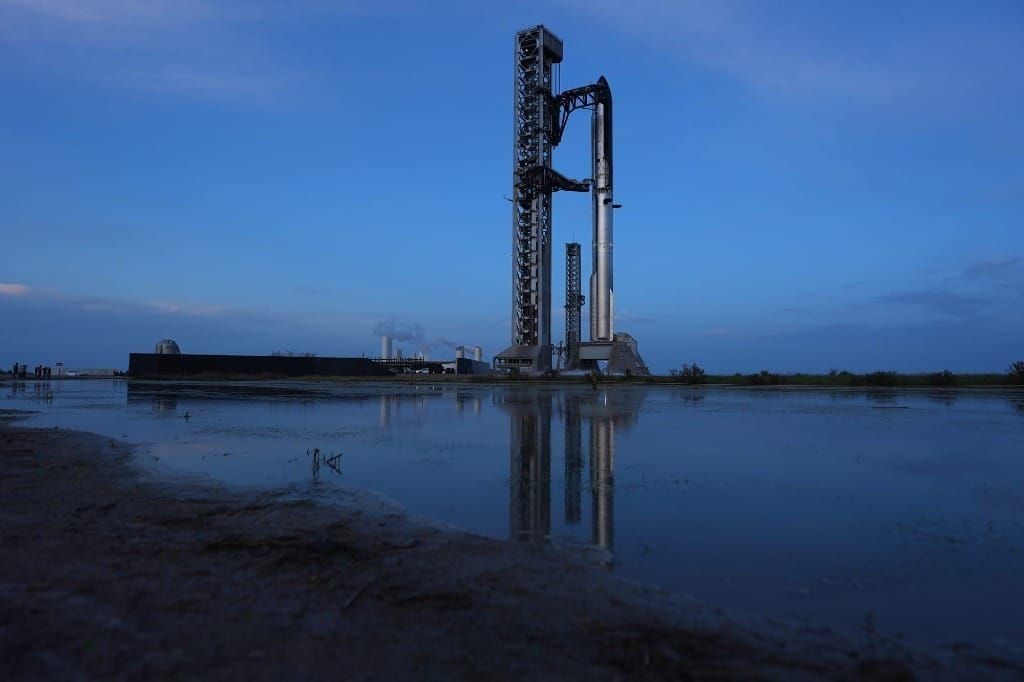
WASHINGTON, July 20, 2026 – SpaceX is preparing to launch its thirteenth flight test of the Starship rocket as early as Thursday, July 23, to conduct several tests that will help inform future missions.
The upcoming flight aims to deploy 20 Starlink V3 satellites for the first time to test Starship’s capabilities and conduct other tests. The 90-minute launch window will open at 5:45 p.m. Central Time, with the company planning a live webcast.

The rocket is planned to deploy 20 satellites, extending solar arrays and antennas to connect with the larger Starlink network through high-capacity lasers to engage in testing. None of the 20 satellites will actually enter Starlink’s commercial service. The satellites will be on the same suborbital trajectory as Starship and are expected to burn up about 20 minutes after deployment.
Six of the satellites have been modified to scan Starship’s heat shield and transmit imaging down to operators. Imaging provided will be used to analyze the rocket’s heat shield readiness for future missions.
Several upgrades to the rocket’s heat shield will also be tested; several tiles will serve as imaging targets during the test and take measurements. Other tiles will be attached to the metallic side of Starship's aft flaps along with other mechanisms in the heatshield to gather flight data.
The mission will also attempt to restart a Raptor engine while in space to test the rocket’s capabilities after a July 16 mission abort due to the failure of several engines. The rocket will have a controlled entry, descent and splashdown in the Indian Ocean.
In March, the mega rocket blasted off from the southern tip of Texas, carrying 20 mock Starlink satellites that were released midway through a spaceflight that stretched halfway around the world and lasted an hour. Despite facing engine trouble, the spacecraft reached the Indian Ocean, its final destination, before erupting into flames upon impact.