SpaceX Reportedly in Talks to Buy or Partner with EchoStar’s Boost Mobile
Analysts were skeptical that Boost’s MVNO agreements were transferable

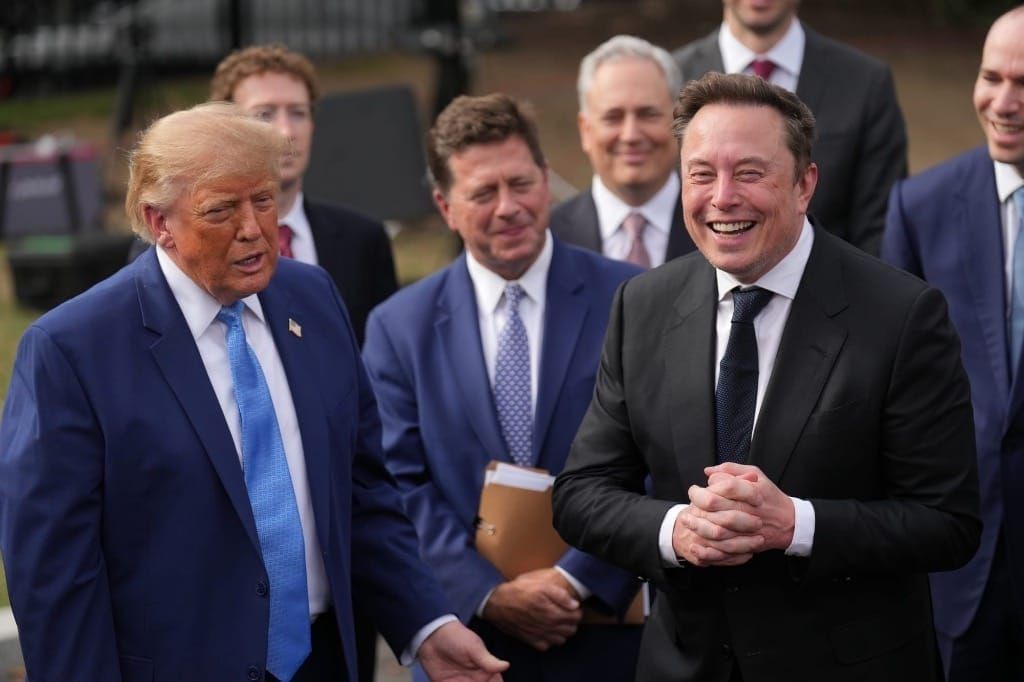
WASHINGTON, Nov. 2, 2026 – SpaceX has been in talks to partner with or buy EchoStar’s Boost Mobile service, the Washington Post reported Monday.
Citing people familiar with the matter, the Post said SpaceX CEO Elon Musk had spoken directly with EchoStar CEO Charlie Ergen about a deal. They each also control the companies they run.
SpaceX has been aggressively talking up its plans to compete with the national mobile carriers with a hybrid satellite and terrestrial network, and how exactly the terrestrial portion will be accomplished has been the subject of much speculation.
Boost offers its service on AT&T and T-Mobile’s networks through mobile virtual network operator (MVNO) deals with those companies. MVNO deals typically give the main carrier veto power if the lessee is acquired by another entity.
All three national carriers have repeatedly said they don’t see any upside to granting SpaceX an MVNO. Doing so would give national reach to a competitor bent on scooping up mobile subscribers.
Indeed, Lightshed Partners analysts Walter Piecyk and Joe Galone said in a Monday investor note that buying Boost wouldn’t get SpaceX any closer to an MVNO. AT&T and T-Mobile would simply rescind the agreement.
“SpaceX cannot simply acquire Boost Mobile and inherit its MVNO agreements with AT&T and T-Mobile, as this morning’s Washington Post story suggests,” they said.
The analysts pointed to an exchange on EchoStar’s first quarter earnings call earlier this year, in which then-CEO Hamid Akhavan said opening the Boost MVNOs to cable companies would “require cooperation from all parties.”
“We see no reason those restrictions would disappear in a change of control or why AT&T and T-Mobile would suddenly want to enable SpaceX as a competitor. SpaceX has other options for addressing its coverage gaps,” the analysts said Monday.
New Street Research analyst David Barden said in an investor note there were enough restrictions on Boost’s MVNOs that investors were skeptical of an outright sale.
He said it was more likely SpaceX would acquire a non-controlling stake in Boost, which would then change its name or associate itself with SpaceX’s Starlink Mobile brand.
“And now Starlink is in the mobile business. Unless they are enjoined from doing so and sued,” he said.
In a Monday investor note, BNP Paribas analyst Sam McHugh also said there was no “back door” to Boost’s MVNOs.
But he said it was possible SpaceX was banking on AT&T and T-Mobile vetoing its access to the deals. SpaceX could potentially challenge the move in court and argue the carriers were colluding to prevent competition, he said, although McHugh was skeptical about the prospects of that succeeding.
“In many ways this news is very unsurprising given we continue to get reports of all the things that SpaceX could be doing to try to get into the wireless business, which many continue to believe are aimed at putting pressure on the wireless carriers to crack on giving them an MVNO deal,” McHugh said.
TMF Associates president Tim Farrar posted on Monday that he agreed AT&T and T-Mobile would veto the transfer of the MVNO, and that antitrust litigtion to force an MVNO might be the goal.
Buying EchoStar outright?
In another post on X last week, Farrar said the deal under discussion was SpaceX acquiring EchoStar itself, and “it would not be surprising” if it were announced as soon as this week.
He said SpaceX would likely be after the remnants of the network deployed by now-bankrupt EchoStar subsidiary Dish Wireless, plus EchoStar’s remaining spectrum assets.
American Tower, which operates the most towers in the U.S., said on its earnings call last week that Dish had abandoned the 24,000 radios it had deployed, giving tower companies ownership of them. Barden said New Street’s lawyers weren’t convinced it was that clear cut.
EchoStar had originally planning on bidding for the radios as part of the bankruptcy, and it would have started at $300 million, a low price for a nationwide wireless network.
American Tower and other tower companies are in mediation with Dish as part of its bankruptcy — they think Dish owes them billions in unpaid lease payments — and Farrar said on a Broadband Breakfast webinar last week that SpaceX would likely try to settle and get Dish’s leases back.
With Dish’s radios and the rest of EchoStar’s CBRS and AWS-3 spectrum, “all you’re really missing is a few tens of megahertz of upper C-band spectrum to replace the 3.45 GHz that went to AT&T, and you’re done,” he said.