SpaceX
Broadband Industry Coalesces in Support of ‘SPEED for BEAD’
Fiber-focused organization isn’t discouraged by Rep. Richard Hudson measure that touts ‘technology neutrality’

The Broadband Equity, Access and Deployment program is a $42.45 billion initiative administered by the National Telecommunications and Information Administration of the U.S. Commerce Department. Established by the Infrastructure Investment and Jobs Act of 2021, BEAD aims to expand high-speed Internet access by funding planning, infrastructure deployment and adoption programs.
SpaceX
Fiber-focused organization isn’t discouraged by Rep. Richard Hudson measure that touts ‘technology neutrality’
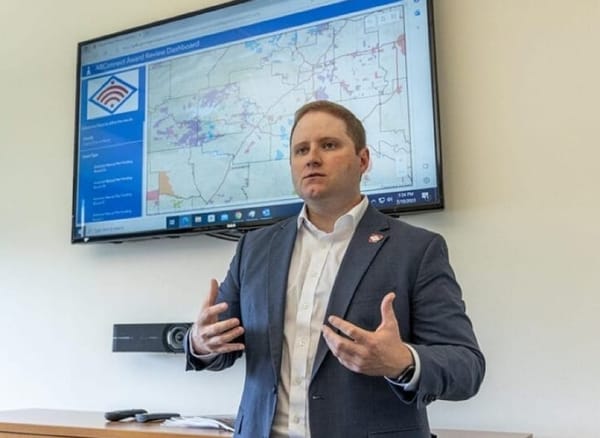
Arkansas
The Arkansas State Broadband Office continues to leverage American Rescue Plan Act funds to drive affordable fiber in the Natural State.
BEAD
New bill would remove NTIA exemption from the Freedom of Information Act.

BEAD
Virginia, Wisconsin, New Hampshire, and Maine wrapped up their first round of BEAD applications this week.

NTIA
Comptroller Hegar might want to spend some of it on 'non-deployment' purposes
BEAD
'While I am all for improving the program, I do not want to see West Virginia wait longer than is necessary or have to redo their proposals and application,' Sen. Capito also said.
Congress
Industry leaders warn permitting delays and USF collapse could cripple connectivity in rural America
Expert Opinion
BABA Act's emphasis on using domestically produced steel is crucial for ensuring the quality, safety, and sustainability of infrastructure projects.
SpaceX
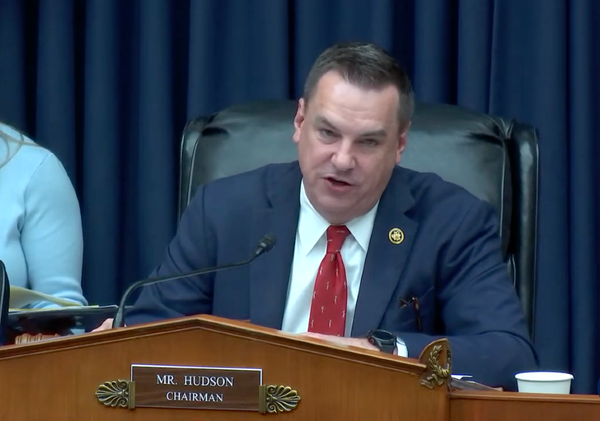
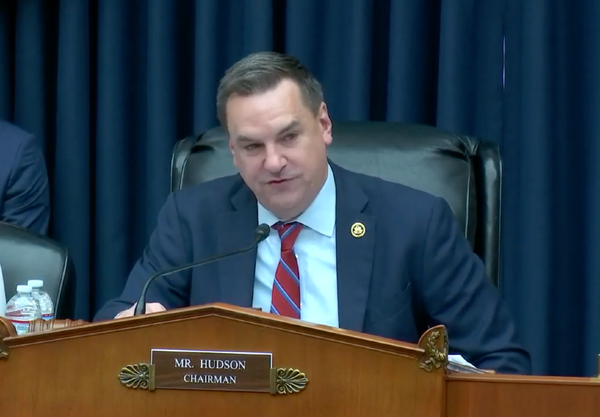
Richard Hudson, R-N.C., announced the SPEED for BEAD Act
SpaceX
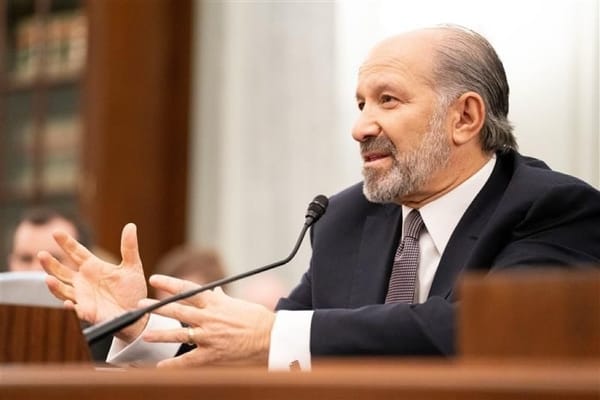
Commerce Secretary Howard Lutnick vows ‘tech-neutral’ approach to BEAD, stripping Biden-era rules
BEAD
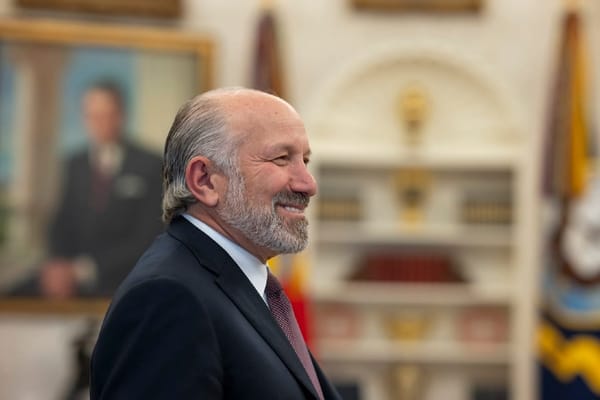
'We want the lowest cost broadband access to Americans,' Howard Lutnick said, repeating, 'the lowest cost.'

BEAD
Attorney Casey Lide still believes the bill is necessary to get successful BEAD projects running

BEAD
Missouri quickly opened a 'sub-round' seeking applications fro homes and businesses that didn't receive bids.
High Speed Internet
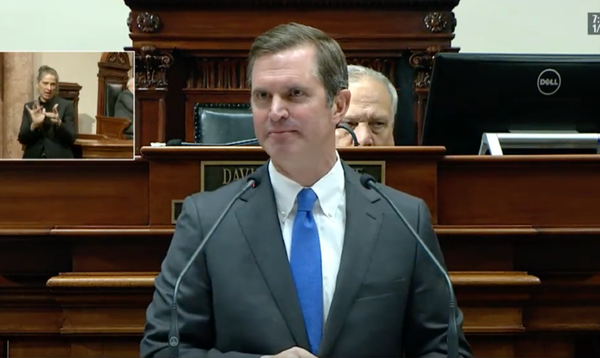
Only handful of governors discuss broadband in 2025 opening remarks
Rural
The hearing is scheduled for Wednesday, March 5

Expert Opinion
For $849 million, Americans should expect modern data analytics, cost analysis, and competitive auctions to deploy billions of dollars of funding.