Commerce
Consumer Groups Hold Network Outage Against AT&T in Spectrum Battle
The outage also took FirstNet offline -- evidence, the groups say, of the ease with which the band could be put to commercial use.

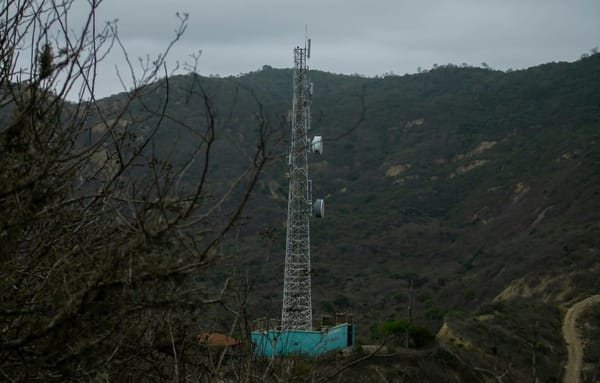
The use of radio frequency spectrum enables the delivery of high-speed wireless Internet access. Whether licensed, unlicensed or shared, radio frequency spectrum is the critical resource for wireless communication. The Communications Act of 1934 gave the FCC authority to auction spectrum, but that auction authority expired in March 2023.

Commerce
The outage also took FirstNet offline -- evidence, the groups say, of the ease with which the band could be put to commercial use.

Verizon
He met with three FCC commissioners last week to support the plan.
Expert Opinion
Dynamic Spectrum Sharing describes the way that multiple users can coexist in the same frequencies without interference.
Defense Department
Google said said the adoption of less conservative and more realistic propagation models has led to dramatic improvements in CBRS.
OTI
The proposal to put FirstNet in charge of the band called for blocking non-public safety users.
FCC
Verizon and AT&T are relying on the spectrum for their 5G networks.

FCC
NCTA joined T-Mobile and Verizon in calling the move a windfall for FirstNet vendor AT&T.

FCC
Commerce Department inspector general says changes allowed AT&T to meet nationwide coverage metrics, instead of state-by-state requirements.

Spectrum
Axon offers a compromise to protect Wi-Fi users.

FCC
Allowing AT&T's public safety network access to the 4.9 GHz band would be a substantial windfall, according to Verizon.

800 MHz
The shared spectrum will ensure wider coverage that benefits subscribers to all companies.
Spectrum
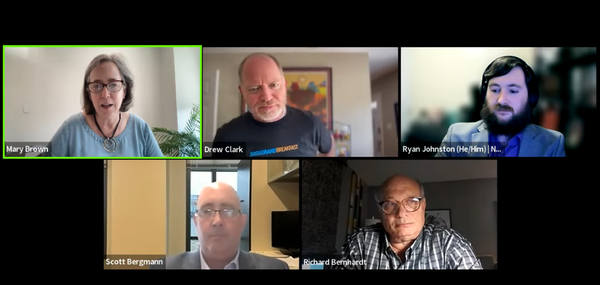
Increased spectrum sharing is the way to handle user demand in the midst of spectrum shortages, expert says
Defense Department
The FCC is circulating a proposal on more changes to the Citizens Broadband Radio Service.

Defense Department
Updated interference modeling puts 72 million more people in uninterrupted service areas, the agency said.

Broadband Live
Spectrum enables seamless communication between smart devices like sensors and cameras

Expert Opinion
Congress should also take steps to provide continued funding for the Affordable Connectivity Program.