Taiwan Opens Door to Foreign Satellite Providers
Officials reportedly in talks with Eutelsat OneWeb and Amazon Leo to strengthen communications resilience.

Jericho Casper
WASHINGTON, July 27, 2026 – Taiwan has relaxed foreign ownership restrictions on satellite internet providers.
Lawmakers approved changes to the island’s Telecommunications Management Act on Tuesday that allow regulators to waive foreign ownership limits for satellite internet providers when doing so does not threaten national security and would strengthen the island’s telecommunications sector or increase competition.
The changes could clear the way for U.S. companies such as Starlink to enter the Taiwanese market after previous negotiations stalled over the requirements.
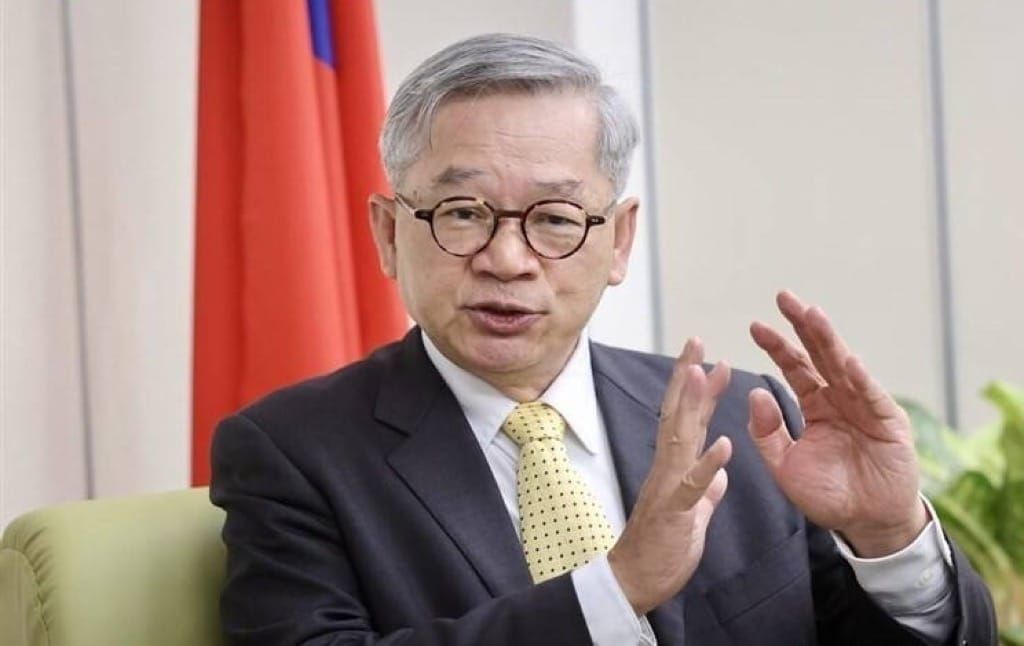
National Science and Technology Council Minister Wu Cheng-wen said Taiwan is already in discussions with French provider Eutelsat OneWeb, which provides services only to governments and businesses, and is holding separate talks with Amazon Leo.
Wu said Taiwan is open to working with international partners it considers friendly, but stressed that any deal must safeguard national security and sovereignty.
Taiwan already works with Britain’s OneWeb to provide low Earth orbit satellite services.
Industry observers have pointed to Starlink as the most capable option on paper. Negotiations with the island’s regulators collapsed in 2021 over the company’s insistence on operating a wholly owned local business.
Previously, foreign investors were capped at a 49% direct stake in Taiwanese telecom companies, with total ownership, including indirect holdings, limited to 60%, and the chair of the company generally required to be a Taiwanese national.
The changes are part of efforts to keep communications running during natural disasters, military attacks, or blockades. Taiwan relies heavily on undersea cables, which could be damaged or cut during a crisis.
Several cables near Taiwan have been damaged in recent years, some in incidents reportedly tied to vessels with Chinese connections, fueling concern in Taipei about the security of its communications.
Beyond crisis backup, officials see satellite internet supporting ships, aircraft, remote mountain communities, disaster response teams and military communications, areas where Taiwan’s mobile and fiber networks don't always reach.
China’s state-run Global Times has already signaled it is watching the situation closely, warning that Starlink’s entry into Taiwan could complicate Elon Musk’s business dealings in China and suggesting Beijing may object if the service were used for military purposes.
Tesla produced about 852,000 vehicles in Shanghai in 2025, making it one of China’s largest exporters. Musk, Tesla’s CEO, holds between 11% and 19% of the company depending on the value of unvested stock awards, Forbes reported.
“Musk should carefully weigh his decisions. If Starlink services are provided to China’s Taiwan region and used for military purposes, it could impact his core business in China and damage cooperation with the Chinese market. Such risks warrant serious attention,” Song Zhongping, a Chinese military affairs expert, told the Global Times.