
Virginia Officials Slam Changes to Federal Broadband Program
‘It feels like the rug is being pulled out from under us.’

Cameron Marx
WASHINGTON, June 11, 2025 – With less than 90 days to rework its broadband deployment strategy under the Broadband, Equity, Access and Deployment program, Virginia officials were scrambling to respond to sweeping federal changes that leaders say “throw years of planning in the trash.”
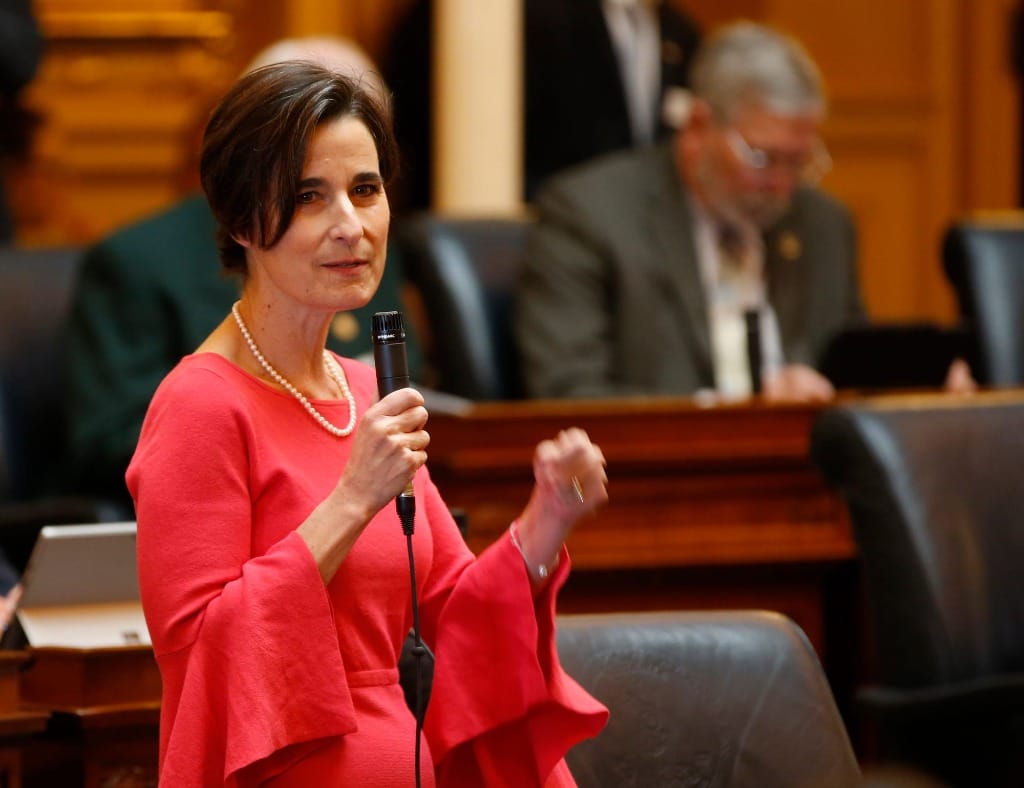
Sen. Jennifer Boysko, D-Fairfax County, who serves as chairwoman for the Virginia Broadband Advisory Council, expressed her frustration Monday, alongside many others.
“It feels like the rug is being pulled out from us,” she said told Cardinal News. “It sounds like somebody just wanted to do a favor for the satellite industry and not really care about the long-term effectiveness of what’s going to be best in each community.”
Those concerns were echoed by former Virginia chief broadband advisor Evan Feinman, who also served as the former director of the BEAD program at the federal level.
“They’ve thrown in the trash all of the work that states have done,” he said. “I think there are a lot of busy telecom attorneys this morning and over the weekend, and I would be stunned if there were not lawsuits filed somewhere.”
Federal officials representing Virginia expressed frustration too.
“NTIA should be using this program to deliver future-proof networks that can meet the demands of today and more importantly, the demands of the future, as new advances like AI require more bandwidth,” said Sen. Mark Warner, D-Va.
“This new NOFO,” he continued, “fails that test and sets back states like Virginia that have moved quickly to meet the law’s requirements.”
Sen. Tim Kaine, D-Va., said that he was “concerned that this will set back [the state’s] plan to achieve universal broadband,” and promised he would “keep working to ensure every Virginian has access to high-speed internet.”
Local cooperative leaders also voiced concern. “I am disappointed,” said Gary Wood, CEO of Central Virginia Electric Cooperative and its broadband subsidiary, Firefly Broadband, “if that is the direction that the nation takes for service to our rural communities.”
To date, CVEC has installed over 4,000 miles of fiber, connecting more than 35,000 homes and businesses across 13–14 Virginia counties.
“If we leave them with a service that is significantly less reliable or affordable,” Wood continued, “or that has more limited and more challenging routes in the future to continuously build on its speed… we’re going to end up with a rural communication system that someone will have to go back and address again at a future time, when we find that America still hasn’t delivered on having universal access for true broadband.”
Virginia, which was awarded $1.48 billion as part of the BEAD program, has yet to see any of that money released. On Friday, Commerce Secretary Howard Lutnick implemented sweeping changes to the program, including requiring the application process to be “tech-neutral” and bids to be selected primarily on price. Previous rules in the program had prioritized providing broadband via fiber, which many argue is both cheaper and more reliable in the long-run.
The changes to the program could mean a shakeup to Virginia’s broadband plans. The state’s first BEAD application round drew participation from 2,000 applicants, 91 percent of whom proposed using fiber. The state now has less than 90 days to redraw and resubmit an application that meets Lutnick’s new directives.





Member discussion