Carr Defends Satellite Licensing Order

House Science Committee lawmakers had asked to postpone the overhaul

Carr Defends Satellite Licensing Order
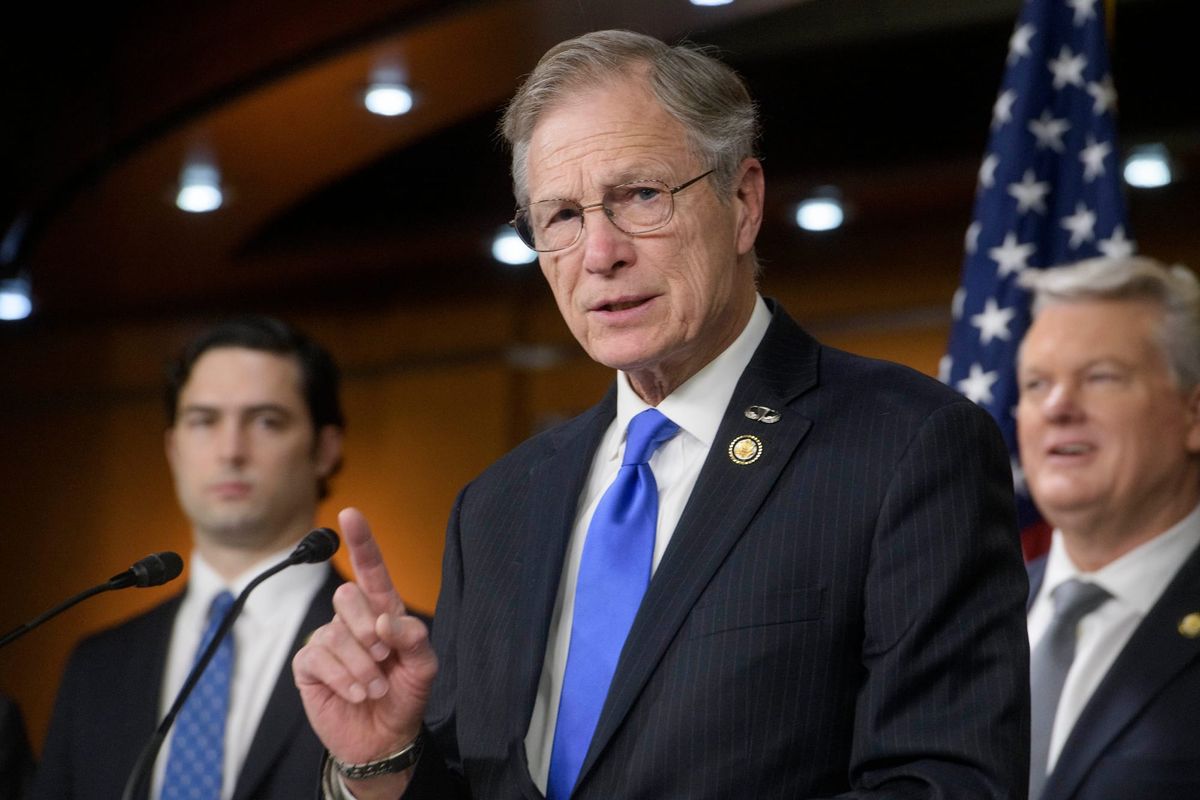
Photo of House Science Committee Chairman Brian Babin, R-Texas, speaking at the capitol in 2025 by Rod Lamkey, Jr./AP

WASHINGTON, Aug. 24, 2026 – Federal Communications Commission Chairman Brendan Carr defended the agency’s recent satellite licensing reforms from bipartisan lawmakers who wanted the plan dropped.

The top lawmakers on the House Science Committee, which oversees space issues, had asked Carr last month to postpone the item. He did not, and the agency adopted it unanimously on July 22.


In July 31 response letters posted Aug. 18, Carr said the order gave space system applicants “greater predictability” and ensured agency actions remained “firmly within the scope of its statutory authority.”

The order overhauled the FCC’s process for licensing satellite systems, with the goal of making the process faster and more standardized, and defaulting toward approval provided applications meet certain criteria.

House Science Committee Chairman Brian Babin, R-Texas, and Ranking Member Zoe Lofgren, D-Calif., said in a July 21 letter that the order exceeded the FCC’s authority on outer space issues.

The lawmakers had sent a similar letter in February, to which they received no response before last week's letter.

“In the absence of responsive action, constructive dialogue, and a meaningful exchange of information on this matter, we must consider all appropriate legislative and oversight tools available to us,” they wrote in July.

Babin and Lofgren took issue with the FCC proposing at the time to institute “space safety” requirements like collision mitigation procedures, which they said was outside the agency’s spectrum management remit. 

The adopted text still included those, some of which were mirrored by existing rules. Carr said that in response to the lawmakers’ letters, the agency took more pains to outline the scope of its authority in the adopted order.

“The Commission’s public interest review of space-based applications is grounded in Congressional authority provided expressly in the Communications Act,” Carr wrote in July 31 response letters posted Aug. 18. 

He added, “Further, since 2004, the Commission has found that it may adopt orbital debris rules, if ancillary to our spectrum management authorities, by protecting communications facilities in space.”

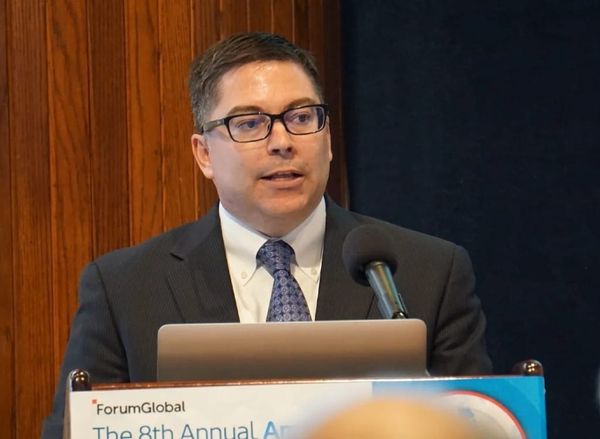
Last month, former FCC Space Bureau Chief Jay Schwarz said the updated framework was a response to increasingly large constellations with shorter lifespans, as opposed to the longer lived bespoke units the agency had traditionally dealt with.

He said the FCC had processed 52 percent of the backlog of satellite applications that existed at the beginning of 2025.

Schwarz left the agency this month, and has since founded consulting firm Stratum Policy, according to his LinkedIn.

Popular Tags