Carr Expected to Advance FCC Prison Cellphone Jamming Rules
Correctional officials want the FCC to approve prison cellphone jamming by year’s end

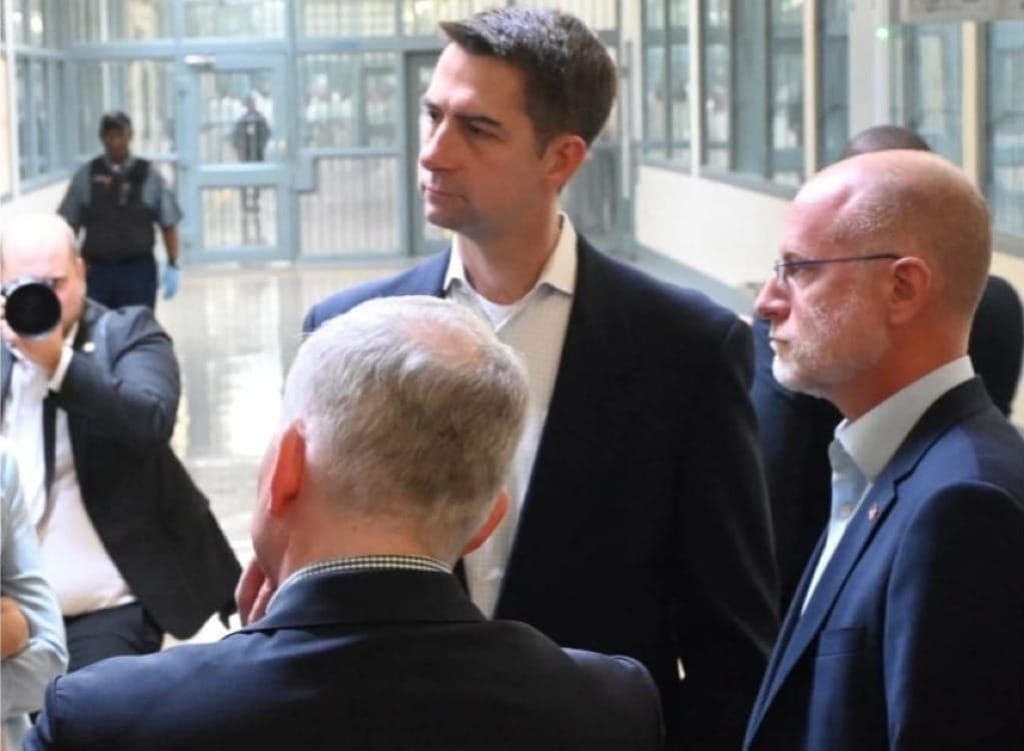
WASHINGTON Oct. 27, 2026 — Federal Communications Commission Chairman Brendan Carr is expected to announce a move toward allowing prisons to jam contraband cellphone signals during a press conference Wednesday in Little Rock, Ark., as correctional officials and state lawmakers continue to press the agency to act.
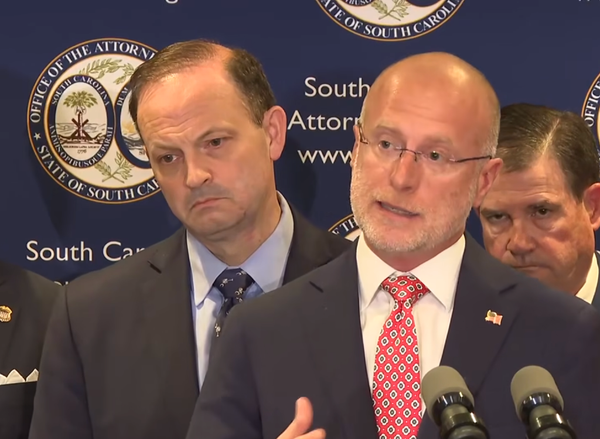
The Correctional Leaders Association urged the FCC in an Oct. 26 filing to adopt a final rule by the end of 2026, submitting examples of crimes it said were facilitated by smuggled phones. Separately, South Carolina Senate Corrections and Penology Committee Chairman Shane Martin urged Carr in an Oct. 23 letter to authorize jamming technology, calling illegal cellphones a danger to prison staff, crime victims and the public.

“The cases show contraband phones being used to direct drug and firearms trafficking, to extort and exploit people outside prison, and to coordinate the smuggling that brings more phones, drugs and weapons inside,” the Correctional Leaders Association wrote in its filing.
The association cited the 2010 shooting of South Carolina correctional officer Robert Johnson, who was targeted in a murder-for-hire plot coordinated by an inmate using a cellphone. It also cited the 2013 killing of federal prison Lieutenant Osvaldo Albarati in Puerto Rico, which prosecutors linked to inmates using a contraband phone to coordinate with the gunman.
The association also pointed to a Georgia inmate who used a contraband phone to coordinate drug and firearms sales, including the trafficking of at least 223 firearms to Mexico. The inmate was sentenced to 25 years in federal prison in April 2026, according to the filing.
Martin said South Carolina has invested in scanners, drone detection technology and managed-access phone systems, but inmates continue to find ways around those measures.
“It’s a never-ending cycle – we put a system in place, and the criminals find a new way around it,” Martin wrote.
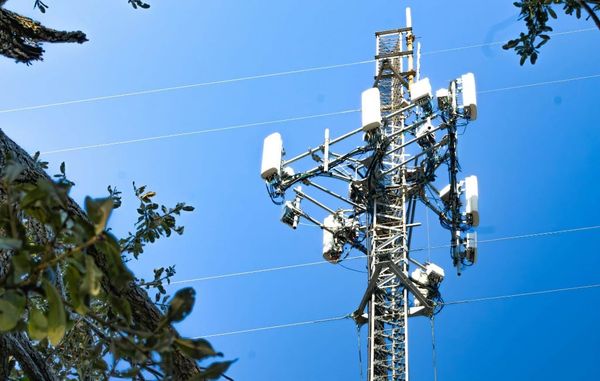
The FCC proposed allowing state and local correctional facilities to use approved jamming technology in September 2025. Carr has argued the agency could interpret Section 333 of the Communications Act to treat contraband cellphone use as unauthorized communication, potentially allowing prisons to jam those signals.
But the proposal faces opposition from CTIA, the wireless industry trade group, and carriers including AT&T and Verizon. They argue the FCC lacks legal authority to permit jamming and warn the technology could disrupt legitimate communications, including emergency calls, even beyond prison walls.
CTIA has urged the FCC to consider managed-access systems as an alternative. Those systems work with wireless carriers to identify and block unauthorized devices while allowing legitimate cellphone service to continue.
The FCC has not finalized the rules. The Correctional Leaders Association is asking the commission to act by the end of the year.