
FCC Approves T-Mobile-Metronet Deal
The wireless carrier committed to end more diversity initiatives.


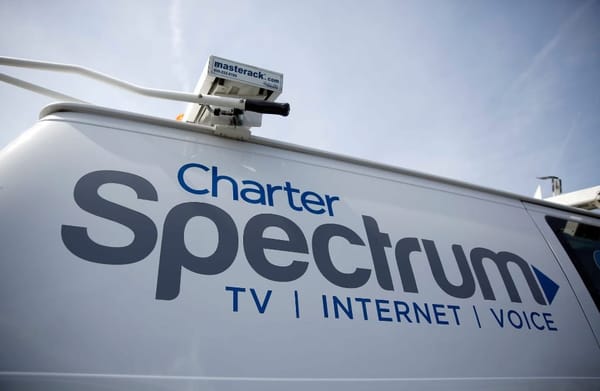
WASHINGTON, July 11, 2025 – The Federal Communications Commission approved T-Mobile’s bid to acquire Metronet as part of a joint venture with investment firm KRR.
The carrier is set to invest $4.9 billion for a 50 percent stake in the joint venture, which is set to become a wholesale provider with T-Mobile as the anchor tenant. Metronet passes roughly 2 million homes in 17 states, with plans to hit 6.5 million passings by the end of 2030.
The wireless carriers are trying to expand their wireline footprints as quickly as possible in an effort to offer bundled fixed and mobile broadband, which keeps customers around longer and has better margins. T-Mobile under CEO Mike Sievert has plans to hit up to 15 million fiber passings through its purchase of Metronet and Lumos, another regional fiber provider.

FROM SPEEDING BEAD SUMMIT
Panel 1: How Are States Thinking About Reasonable Costs Now?
Panel 2: Finding the State Versus Federal Balance in BEAD
Panel 3: Reacting to the New BEAD NOFO Guidance
Panel 4: Building, Maintaining and Adopting Digital Workforce Skills
The Lumos deal closed in April. That will also result in Lumos becoming an open access provider with T-Mobile as the anchor tenant. Lumos passes about 475,000 homes, and the carrier plans to take that to 3.5 million by the end of 2028 through its $950 million initial investment.
Verizon is targeting up to 40 million passings, aided by its acquisition of Frontier, and AT&T is aiming for 60 million, also bolstered by a planned purchase of Lumen’s consumer fiber business and a joint venture with investment giant BlackRock.
The FCC’s Wireline Competition Bureau said in a public notice that “overall, we conclude that, based on the record, no public interest harms are likely to arise from the proposed transaction.”
The bureau said it found Metronet would likely be better able to expand its footprint to new customers and better able to meet its Universal Service Fund Program obligations as a result of the deal. That amounted to a public interest benefit that satisfied the other prong of the public interest analysis the FCC uses in evaluating mergers.
T-Mobile’s pending purchase of UScellular has been met with some opposition from rural carriers and consumer groups, but the company’s purchases of fiber providers haven’t been opposed.
The approval came Wednesday, after the carrier told the FCC on Tuesday it was axing some more diversity initiatives. FCC Chairman Brendan Carr, who started the policy of holding mergers until companies take such steps, said it was “another good step forward for equal opportunity, nondiscrimination, and the public interest.”
Democratic FCC Commissioner Anna Gomez has criticized the practice and called T-Mobile’s letter “cowardly corporate capitulation.” Verizon rolled back diversity programs before its purchase of Frontier was approved and T-Mobile had already made similar concessions before its acquisition of another regional fiber provider was approved.
The carrier also agreed to certain measures protecting tower climbers, similar to ones Verizon also agreed to before its Frontier purchase. New Street Research’s Blair Levin said in a note the Verizon agreement was not material for investors.



Member discussion