FCC Proposes More Than $10 Million in Lifeline Fines
The proposed penalties come as the FCC scrutinizes subscriber eligibility

WASHINGTON, October 9, 2026 — The Federal Communications Commission is proposing more than $10 million in fines against two Lifeline providers accused of improperly claiming federal subsidies for duplicate subscribers and committing other violations of the program’s rules.
The FCC proposed fines of $2.67 million against AirVoice Wireless and $7.45 million against TAG Mobility, which share common ownership. The Enforcement Bureau’s investigations found that the companies apparently claimed Lifeline support multiple times for the same subscribers, falsely certified reimbursement requests and made false statements, among other alleged violations.

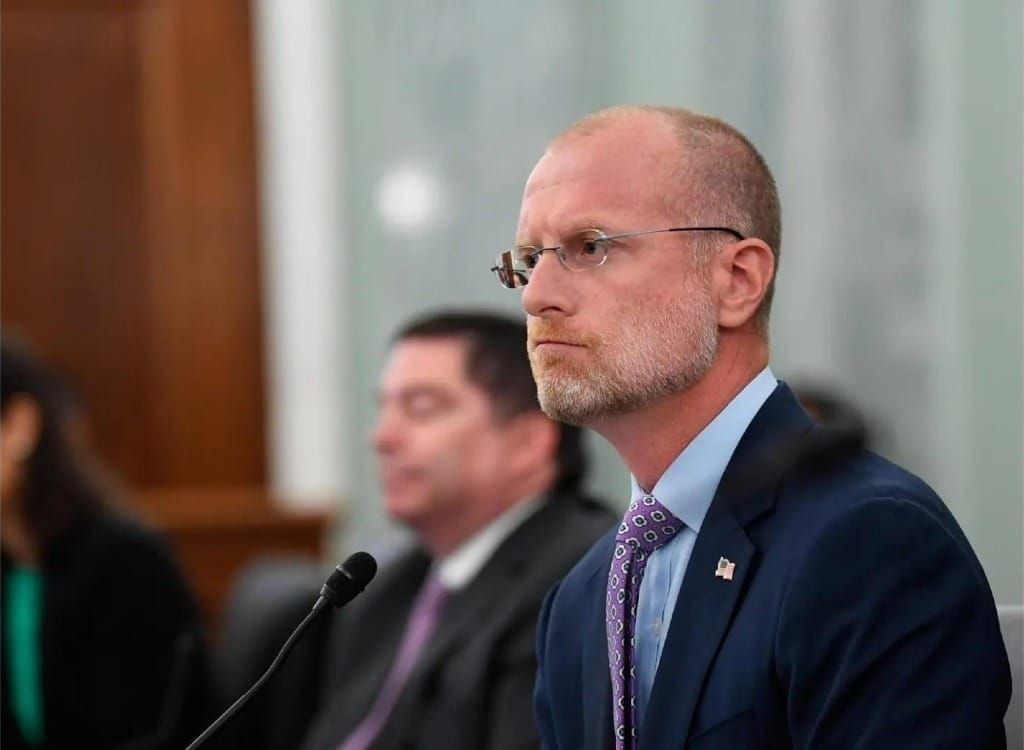
“The FCC has an obligation to be a good steward of federal dollars,” FCC Chairman Brendan Carr said.
The agency launched a series of Lifeline investigations in March after its Office of Inspector General raised concerns about waste, fraud, and abuse in the program. Lifeline provides discounts on phone and internet service to qualifying low-income consumers and accounts for nearly $1 billion in annual spending.
The FCC said the investigations were prompted in part by an OIG advisory examining states that had opted out of the federal National Verifier system. The advisory found that providers received nearly $5 million in Lifeline support for service provided to 117,000 dead people, with nearly 81% of the cases occurring in California. The FCC subsequently revoked California’s opt-out status.
Texas is now asking the FCC to preserve its own opt-out status, arguing that its state-run eligibility system has maintained a strong record of identifying eligible Lifeline subscribers. In an Oct. 6 filing, the Public Utility Commission of Texas said its multiyear audit error rates have remained below 0.17% and that no exceptions were identified in its current program quality assurance audit cycle.
Texas also said it discovered problems with the deceased-person information provided by the Universal Service Administrative Co. and responded by implementing a LexisNexis Risk Solutions process to identify potentially deceased subscribers. The state argued that moving to the National Verifier would create “risk and confusion with no tangible benefits.”
If the FCC eliminates Texas’ opt-out, the PUCT asked for six to 12 months to transition to the federal system. The state said consumers would need to be educated about separate state and federal Lifeline applications and that the transition would require coordination with USAC.
The FCC stressed that the proposed fines against AirVoice and TAG are not final. The Notices of Apparent Liability contain allegations, and the companies will have an opportunity to respond before the commission takes further action.