FCC Seeking Comment on U.S. Firms’ Access to Foreign Satellite Markets
The agency argued draft European regulations would be barriers to American companies.

Jake Neenan
WASHINGTON, March 3, 2026 – The Federal Communications Commission is seeking input on how easily American satellite companies can access foreign markets.
The notice comes as the European Union is considering draft legislation with provisions that, in the words of the U.S. government, “appear targeted specifically against U.S. companies due solely to their size, prominence, and successful track record of innovation, particularly in the area of large telecommunications satellite constellations.”
The E.U.’s draft Space Act would impose extra conditions on operators of large constellations. American firm SpaceX dominates the low-Earth orbit market with nearly 10,000 satellites in orbit, and Amazon has been approved to operate as many as 7,736.
The U.S. also wanted recognition that American companies already cleared by the FCC wouldn’t have to redo compliance procedures in Europe. The public notice that the FCC released Monday said in a footnote that “an updated draft of the legislation submitted by the Danish presidency appears to have addressed some of the United States’ concerns.”
Still, the agency argued that it had a practice of easily allowing market access to firms from most countries, but “longstanding competitive restrictions by other countries have nevertheless persisted.”
The FCC said it had assumed World Trade Organization agreements were sufficient to allow U.S. companies to easily operate in the home countries of foreign satellite operators it gave clearance to.
“We seek comment on whether that assumption is still accurate,” the agency wrote.
Comments are due April 1.
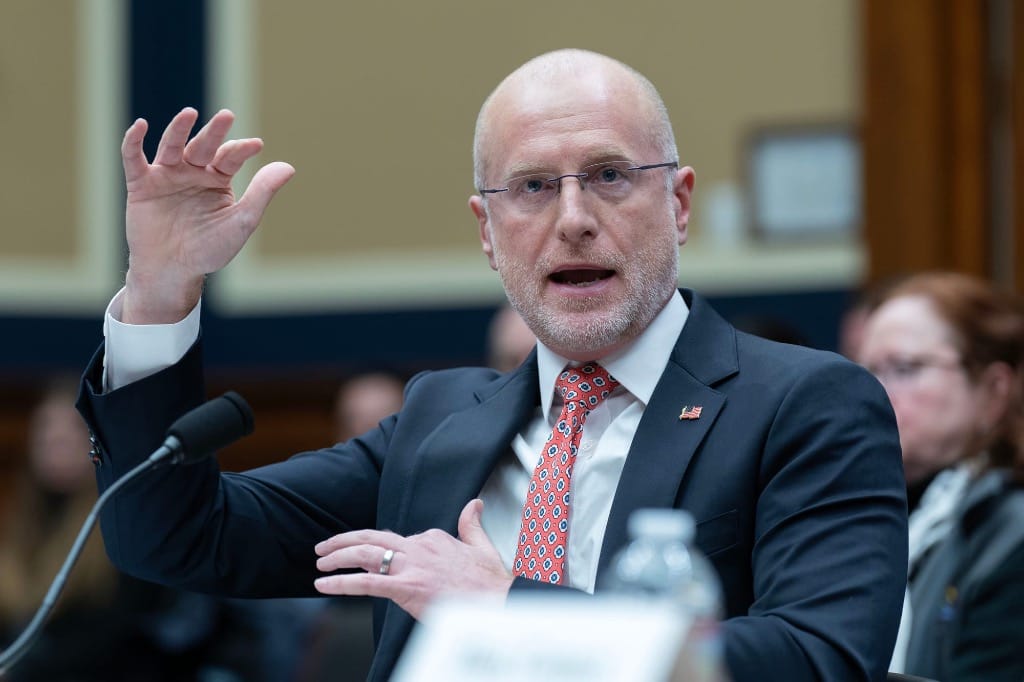
The notice also comes as FCC Chairman Brendan Carr is in Barcelona, Spain, for the Mobile World Congress. He posted Tuesday on X pictures of himself with European telecom regulators.
“Meeting today with the tech and telecom regulators from across Europe,” he wrote. “Important to ensure fair and reciprocal regulatory environments.”
The agency is currently considering raising power level limits on LEO providers in certain satellite bands. The limits are aimed at protecting incumbent geostationary satellites and relaxing them would boost the capacity of existing LEO operators, mainly SpaceX.
Geostationary incumbents, some of which are European firms like Luxembourg-based SES and France-based Eutelsat, strongly oppose the idea.
Any FCC changes to the rules would be within the U.S., as internationally the power level limits are still in place and altering them isn’t on agenda at the next World Radiocommunication Conference in 2027.

Member discussion