FCC’s Streamlined Broadband Label Rules Take Effect September 14
One of its more consequential provisions of the order was delayed indefinitely.

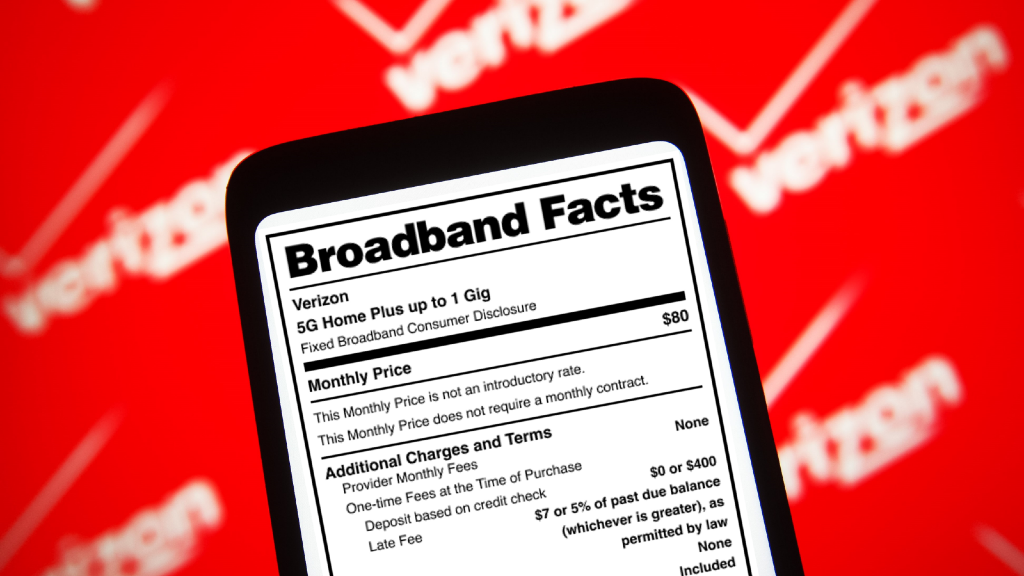
WASHINGTON, August 27, 2026 – The Federal Communications Commission’s overhauled broadband label rules take effect September 14, easing several requirements that internet service providers had flagged as burdensome since the labels debuted in 2022.
Not every piece of the order is live on day one, however. One of its more consequential provisions was delayed indefinitely.

The revised rules stem from an order the FCC adopted unanimously at its July 22 open meeting. All three commissioners voted in favor, including Democrat Anna Gomez, giving the deregulatory move bipartisan approval.
The order rolls back several transparency requirements that had been put in place when the FCC first adopted the labels under then-Chairwoman Jessica Rosenworcel (D) in November 2022.
Several changes take effect September 14
The 2022 rules were designed to make labels easily accessible to consumers at the moment of purchase: providers had to display the actual label, not simply an icon or link to it, in close proximity to an associated plan advertisement, and had to make each customer’s label easily accessible within their online account portal.
The new rules roll that back significantly, allowing providers to substitute a prominent hyperlink or icon, both in account portals and at the point of sale itself, as long as the link sits close to the advertised plan and leads directly to that plan’s label.
Also eliminated was the requirement that providers make label information available in a machine-readable format, which had been intended to let third parties collect and aggregate label data.
A delayed provision advocates had targeted
Not every piece of the order goes live on September 14.
According to the Federal Register notice, the instruction revising how providers disclose passthrough fees, § 8.1(a), is delayed indefinitely. The FCC says it will publish a separate notice once that provision takes effect.
The passthrough-fee change was among the provisions consumer advocates fought hardest against during the rulemaking.
Under the current rules, passthrough fees – which represent the third-party costs providers choose to pass through to consumers and which vary by consumer location – must be itemized individually.
Once the delayed provision takes effect, providers will be allowed to disclose a single maximum amount, or an exact total for a specific location.
Digital rights organization Public Knowledge raised the sharpest substantive objection, warning there is no “principled limit” on how providers could bundle passthrough fees under the new disclosure option.
The order also contains new and revised information-collection requirements that are subject to review under the Paperwork Reduction Act, including by the Office of Management and Budget.
Background on 'nutrition labels'
Congress directed the FCC in the 2021 Infrastructure Investment and Jobs Act to create standardized broadband nutrition labels, disclosing prices, speeds, fees and other key plan details.
The FCC hosted three virtual public hearings in March, April and May of 2022 to gather consumer and expert feedback, then adopted rules that November requiring providers to display the labels at the point of sale.
In 2023, the Commission clarified several aspects of the rules in response to petitions for reconsideration, reaffirming that providers must itemize fees added to base monthly prices, including government program-related fees passed through to consumers.
Then, under new leadership, the FCC in October 2025 asked whether it should eliminate several disclosure requirements and how else it might “streamline the label requirements.”
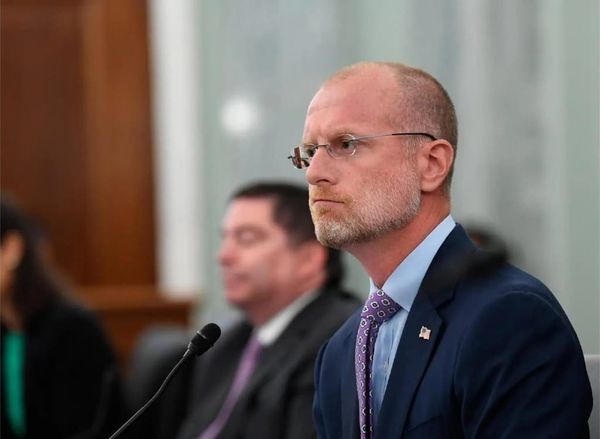
FCC Chairman Brendan Carr cast the changes as a decluttering exercise rather than a retreat from transparency, saying the new rules eliminate outdated requirements and give providers more practical ways to make labels.
Small and rural provider groups led the response: NTCA–The Rural Broadband Association argued that label compliance often requires outside legal help many small providers lack in-house, a position echoed by WISPA, Breezeline, ACA Connects and Joink.
The order leaves the core disclosure fields intact. Labels must still report typical download and upload speeds, latency, data allowances, pricing and contract terms. They must also remain accessible to people with disabilities and available in any language a provider uses to market its services.
The concept predates the mandate. Under the FCC’s 2015 Open Internet rules, the commission’s Consumer Advisory Committee was asked to design a nutrition-style disclosure format; it released mobile and fixed versions of a label in April 2016, though display was voluntary at the time.
Correction: A previous version of this article said that Verizon appeared to be changing how the ISP displayed broadband labels ahead of the new order’s effective date. However, a further review by Broadband Breakfast of the sign-in process for Verizon appeared to display the broadband labels. Additionally, a Verizon spokesman said that the company's method of displaying labels "is consistent with the FCC rules originally published in 2022." Therefore, the section about Verizon has been removed from the article.