Luke Kehoe: Microsoft Outage Exposes Concentration Risks in Digital Infrastructure
More than 90 countries and territories logged at least 1,000 outage reports on Downdetector.


The Microsoft 365 outage of November 12 and 13 was the largest on Downdetector (an Ookla platform that collects and displays user reports about service issues from around the world) since the AWS outage of October 2025. In the 60 hours after it began, people submitted more than 7.7 million reports about Outlook, Teams and other Microsoft services, about half of them (3.9 million) from the U.S.
U.S. reports climbed from about 12:30 p.m. ET on Thursday and peaked at about 14,000 a minute at 1:25 p.m. ET. Counting every service Downdetector tracks, Thursday was the busiest day on its US site in the past year, ahead of January 14, the day of Verizon's network outage. The US House of Representatives said its users were affected, as were city governments, including Austin's.

Microsoft puts customer impact at almost 24 hours, long enough for people in each region to run into it as they started work. Reports peaked at around 9 a.m. local time on Friday in Japan and the UK, 10:15 a.m. in India and between 8:30 and 9:15 a.m. across most of Europe. Worldwide, reports stayed at a fifth or more of their busiest hour for about 20 hours, about twice as long as any other large outage of the past year (Steam's on Christmas Eve 2025 came closest, at about 9 hours).
More than 90 countries and territories logged at least 1,000 outage reports on Downdetector. Some UK hospitals rescheduled procedures, Japan's Digital Agency could not receive email and Immigration New Zealand paused visa processing.
Microsoft's preliminary review, dated November 15, traces the outage to a software defect introduced in July in the networking gateway servers that route traffic into Microsoft 365. The defect surfaced when Teams traffic moved onto a gateway shared with Exchange Online (Microsoft's email service) while nearly 14% of that gateway's capacity was already out of service.
At the worst point, more than 80% of those servers stopped responding. Microsoft found no sign of a cyberattack, and its final review is due on November 20.
Those gateways sit inside Microsoft's own platform, beyond the point where broadband and mobile networks hand traffic over, and the wider internet held up. Ookla's measurements of latency (the round-trip time from a phone to a server) to major content delivery networks (the server networks that deliver much of the web's content) and Speedtest servers (measuring round-trip time in the last-mile over access networks) did not move through the worst of the outage.
The ripple effects showed up elsewhere, though. Outage reports about Gmail rose more than 40 times above normal on Downdetector, likely as emails sent to Outlook users bounced back and senders assumed the problem was on their end.
EU financial regulators and the UK Treasury have already named Microsoft a critical technology provider to their financial sectors. The same dependence reaches well beyond banks, into legislatures, hospitals and city halls. For a platform with more than 450 million paid commercial seats, this outage showed how much of the working day now runs through one provider’s tools, from email to meetings and documents.
It also showed the risk that comes with shared dependencies and concentration. When so many organizations rely on the same platform, a single fault can stop work for all of them at once.
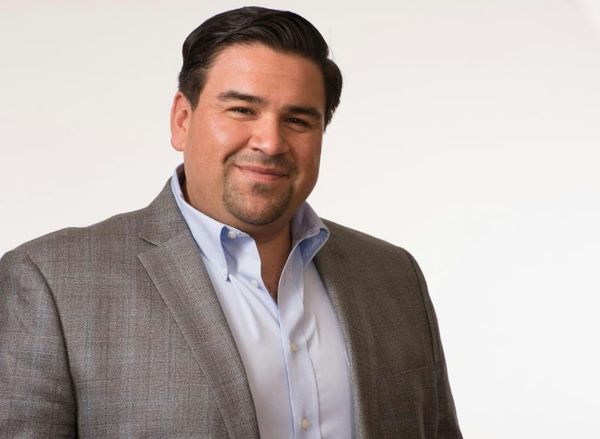
Luke Kehoe leads Ookla’s research and thought leadership efforts in Europe. An electronic engineering alumnus of University College Dublin, Luke has extensive experience collaborating with mobile operators, telecoms vendors, and government agencies in research and advisory roles across Europe. He has contributed to internationally recognised thought leadership publications in areas such as 5G, IoT, open RAN, and edge computing, working with prestigious organisations like the Telecom Infra Project and the World Economic Forum. This Expert Opinion is exclusive to Broadband Breakfast.
Broadband Breakfast accepts commentary from informed observers of the broadband scene. Please send pieces to commentary@breakfast.media. The views expressed in Expert Opinion pieces do not necessarily reflect the views of Broadband Breakfast and Breakfast Media LLC.