Michigan County’s Broadband Plan Could Saddle Taxpayers With Millions in Debt
A proposed financing model could leave local residents exposed if projected broadband subscriptions fall short

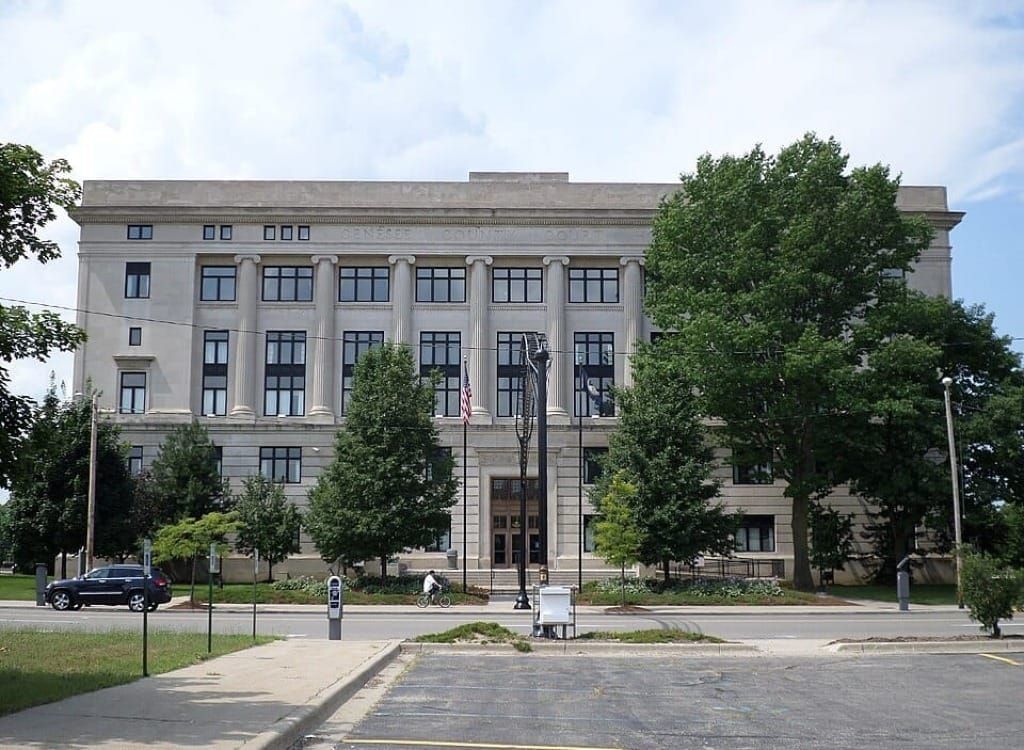
WASHINGTON, Nov. 4, 2026 — A proposed fiber broadband network in Michigan could leave Genesee County taxpayers responsible for millions of dollars if the project fails to attract enough customers to cover its construction costs, according to a recent report.
Genesee County is working with Pivot-Tech Development to build a countywide fiber network using a public-private financing arrangement. The plan would rely on a nonprofit entity issuing between $175 million and $200 million in bonds, which would be repaid over 30 years through customer subscription revenue. The county would contribute $3.5 million to get the project started.
The project's financial projections assume that 40 percent of county residents will subscribe by the fifth year. Monthly prices would start at about $25 for qualifying low-income households, while other customers could pay between $40 and $150. However, a county survey found that 38 percent of unserved respondents were willing to pay no more than $25 per month. Another 41 percent of respondents without home internet identified monthly costs as their biggest barrier.
The concerns were raised in a Nov. 2 report by Michigan Capitol Confidential. Ted Bolema, a senior fellow at the Mackinac Center for Public Policy, questioned whether the network could remain financially viable over three decades, particularly as broadband technology and consumer needs change.
Bolema pointed to the project's 30-year repayment schedule, arguing that the technology installed today could become outdated well before the bonds are paid off. He also questioned whether the county needs its own broadband program when the state is already working to expand access.
“The Michigan Hi-Speed Internet Office claims it is on track to connect everyone in the state soon. Genesee County doesn’t have to pay for its own program to connect people to the Internet when the state government is already doing that,” Bolema said.
Other local governments have pursued similar approaches to expanding broadband access. Kendall County, Illinois, for example, partnered with Pivot-Tech Development on a publicly financed fiber network, using revenue bonds to fund construction.
Genesee County's proposal also comes as Michigan moves forward with its federal Broadband Equity, Access, and Deployment (BEAD) program, which is funding broadband expansion through agreements with internet service providers. Michigan has signed 23 BEAD deployment agreements, committing hundreds of millions of dollars to expand service.
Bolema also cited research on municipal broadband networks to question whether publicly financed projects can sustain themselves. A study by University of Pennsylvania law professor Christopher Yoo found that many municipal broadband networks struggled to generate enough revenue to cover their operating costs and repay their debt.
The county has approved negotiations with Pivot-Tech, not final approval of the completed network agreement. The county says the project could create between $500 million and $700 million in fiber infrastructure and expand competition, particularly in rural areas. Any resulting agreement must return to county commissioners for final approval.