
Sens. Luján, Fischer: No Higher Power for Shared Band
Some CBRS users fear interference if the FCC raises power limits.

Jake Neenan
WASHINGTON, March 6, 2026 – A bipartisan pair of senators don’t want federal regulators to alter the rules for a shared band used by wireless ISPs and private networks.
The Citizens Broadband Radio Service sits at 3.55-3.7 GigaHertz (GHz) and uses a tiered licensing system. Users of CBRS have worried the FCC might raise power levels in the band, or consider auctioning off some of the spectrum as it looks to meet congressional spectrum auction targets.
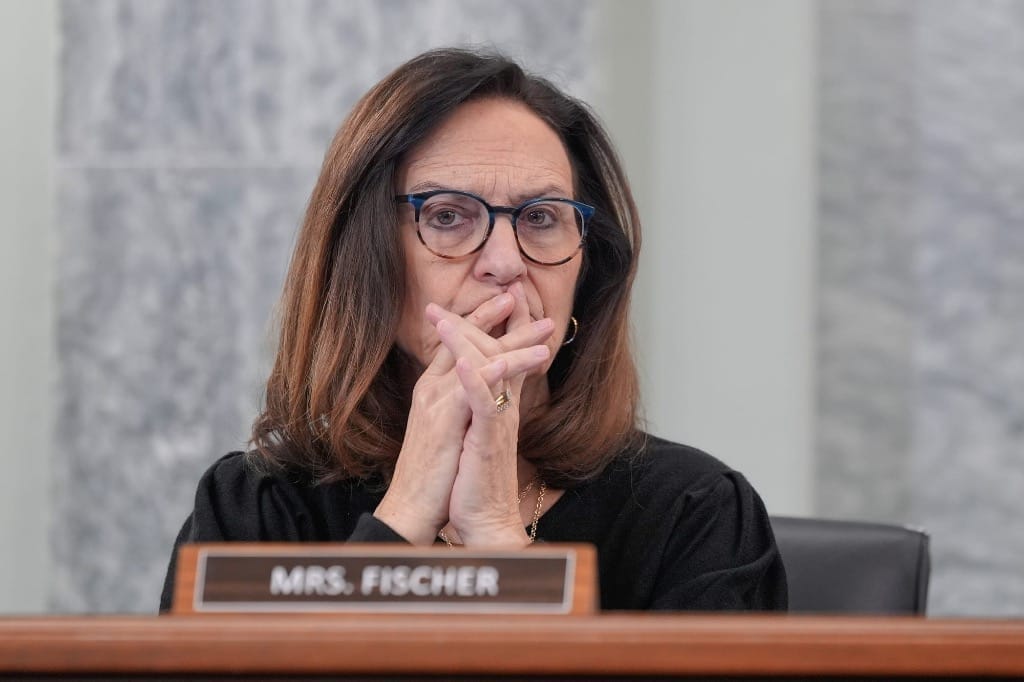
Sens. Ben Ray Luján, D-N.M., and Deb Fischer, R-Neb., said in a Friday letter to the Federal Communications Commission that raising power levels would increase the risk of interference and potentially disrupt rural broadband service.
“Given the critical nature of this band, we urge the FCC to reject changes that would upend CBRS’s carefully calibrated mid-power operating model – including proposals to increase power levels or otherwise modify the technical rules in ways that raise interference risk, degrade service, ‘squeeze out’ users, or move users to a different band,” they wrote. “Such changes would reduce spectrum efficiency and undermine the very facilities and community networks that rely on CBRS today.”
The FCC hasn’t signalled an intent to auction the band, and analysts have noted there are other bands being targeted for auction by the Trump administration and that relocating CBRS users could be disruptive.
But wireless carriers prefer higher-power, exclusive licenses to the band’s sharing model; AT&T has floated relocating CBRS users entirely and Verizon, which spent nearly $1.9 billion on priority CBRS licenses, has supported raising power levels to make the spectrum more useful for its mobile network. Protections for the band were also removed from a draft of the July budget legislation that tasked the FCC with auctioning off 800 megahertz of spectrum.
That’s all led CBRS users, organizations supporting the band, and lawmakers, including Republicans, to keep up a steady stream of advocacy at the FCC in recent months urging the agency not to majorly alter the airwaves’ technical rules.
WISPA, which represents wireless broadband providers that use CBRS spectrum, said it “strongly supports” Luján and Fischer’s advocacy.
“CBRS is a success story: It delivers affordable broadband, fosters innovation, and supports rural America,” Matt Mandel, WISPA’s VP of government affairs, said in a statement. “Power levels currently authorized for CBRS have spurred investment in rural broadband deployment and other industries. Increasing power would cause interference and disrupt service, and potentially costly equipment replacements.”
FCC’s view
Asked about CBRS at an FCC meeting in November, FCC Chairman Brendan Carr said the agency was more focused on next year’s upper C-band auction and processing secondary market spectrum transactions.
“C-band has really taken up all the bandwidth, so to speak, at this point,” he said.
FCC Commissioners Anna Gomez and Olivia Trusty have both spoken positively about the band.
“My job at the FCC is to ensure spectrum is being put to the highest and best use,” Trusty said at a January oversight hearing. “Given all of the use cases [of the band], I think it emphasizes the meaningful benefit of CBRS and unlicensed spectrum.”
Arpan Sura, Carr’s senior counsel on wireless issues, said last month he wants more study on how the band is being used.
“I think it’s healthy going forward that there be a more productive conversation about: What does success look like in this band?” he said. “And how do we gauge success in a way that’s quantitative, in a way that isn’t just pointing to our favorite examples but actually gets to the heart of the matter?”
He said he wanted to “interrogate” whether the number of deployed CBRS devices – there are over 420,000 – was a good indicator for utilization, but echoed Carr’s position that the agency has more pressing spectrum concerns at the moment.
He also said he expected the government’s 2.7 GHz, 4.4 GHz, and lower 7 GHz bands, being studied for potential repurposing by the Commerce Department, “will be part of the pipeline in the upcoming years.”





Member discussion