Starlink’s Direct-to-Phone Service: A Coverage Lifeline, Not Yet a Cellular Replacement
The development comes as SpaceX pushes satellite connectivity beyond emergency coverage

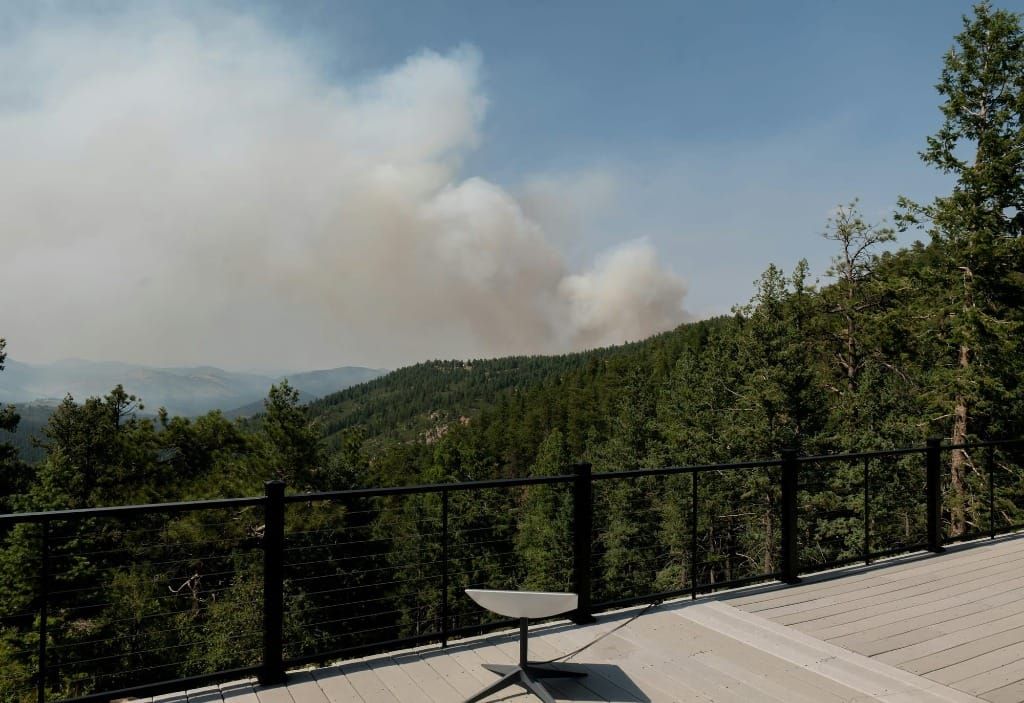
WASHINGTON, Nov. 5, 2026 - Starlink’s satellite-to-phone service is expanding coverage in dead zones, but Ookla’s tests show it still lags terrestrial mobile networks in speed, reliability, and signal quality.
New Ookla testing shows that Starlink’s direct-to-device (D2D) service is genuinely valuable where terrestrial coverage disappears - but it still trails conventional cellular networks by a wide margin in reliability, speed, and signal quality. The findings arrive as SpaceX positions satellite connectivity as a path toward becoming a major U.S. mobile carrier.

In RootMetrics drive tests along national routes, the share of T-Mobile tests with no signal fell from 2.01% in late 2024 to 0.50% in late 2026, after T-Mobile began offering Starlink-powered D2D service. For users in remote areas, that means satellite connectivity can turn a dead zone into a lifeline.
However, performance remains limited. Starlink D2D texts were delivered 86% of the time, compared with 98.1% on a representative terrestrial network, and took a median of 16.6 seconds to arrive versus 1.3 seconds on cellular. In Ookla’s “lite data” tests, 60% of D2D sessions were fully successful, compared with 93% on terrestrial networks.
The technical explanation is straightforward: satellite signals are much weaker and travel much farther than cellular signals. Ookla measured a median U.S. D2D signal strength of -120 dBm, 15 dB weaker than terrestrial LTE, while RootMetrics found Starlink’s median signal-to-noise ratio was 3.0 dB - below the FCC’s proposed 5 dB coverage threshold.
Capacity is also constrained. Ookla estimates current Starlink D2D beams deliver roughly 4.7 Mbps each, and its 650-satellite constellation uses rapidly moving beams and satellites, with phones often changing beams every 30 seconds. Future second-generation satellites, more spectrum, and a possible hybrid satellite-terrestrial network could improve the picture substantially.
Usage patterns reinforce D2D’s role as a coverage supplement rather than a replacement for cellular. U.S. satellite use peaked in summer, rose on weekends, and was concentrated in states and regions with large coverage gaps, including mountainous and rural areas.
Starlink D2D is already meaningful for texting, emergency contact, and light data use beyond terrestrial coverage. But for everyday mobile broadband, video calls, and high-reliability communications, terrestrial networks remain far ahead.