Telecom 150
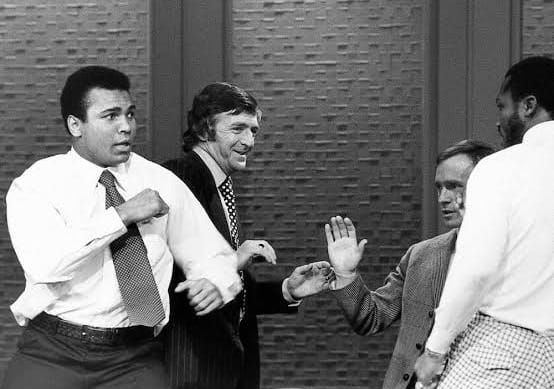
A 1975 Boxing Match Helped Cable Channels Reach the Country
Satellite expanded programming, but most subscribers had one cable provider.

A series of articles highlighting the 35 lessons in Broadband Breakfast's course, "150 Years of American Telecommunications"
Telecom 150
Satellite expanded programming, but most subscribers had one cable provider.
Telecom 150
Telecom 150
It wasn’t legislation that limited American television to three national networks – it was the FCC
Telecom 150
Telecom 150
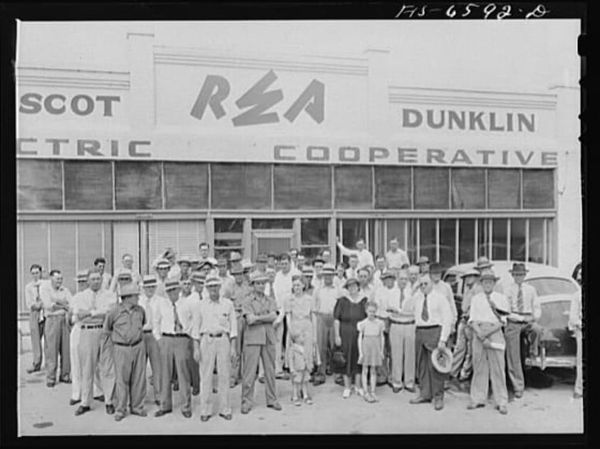
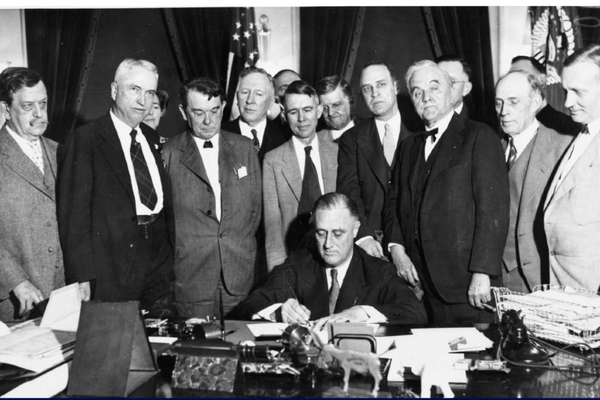
Nearly nine in 10 American farms lacked electricity in 1930. In response, Washington financed an unusual kind of utility: Cooperatives owned by the rural customers they served.
Telecom 150

Telecom 150
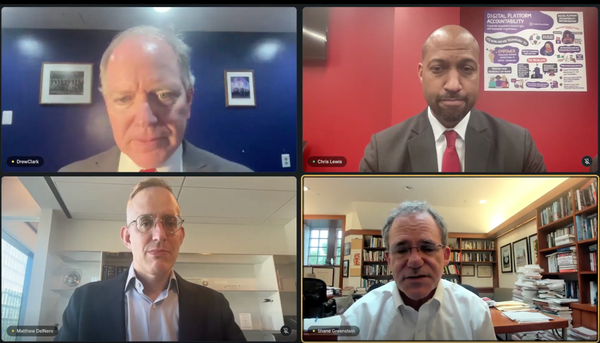
Experts revisited AT&T’s 1984 breakup and the 1996 Act for lessons on regulating technology platforms.
Telecom 150
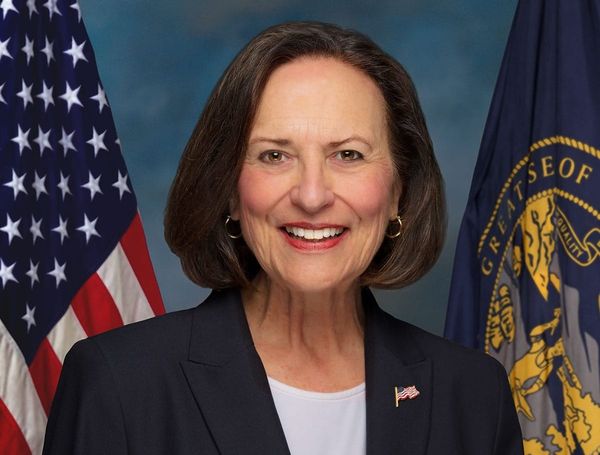
The FCC's expanding 'Covered List' now requires companies to seek government approval, reversing innovation
Telecom 150
Necessity may be the mother of invention, but who’s the father of competition?
Telecom 150
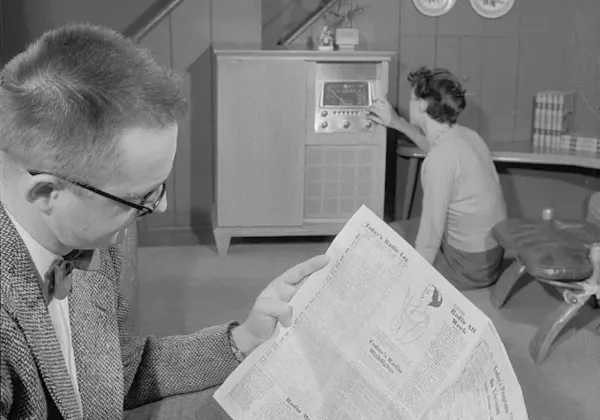
For 38 years, the FCC required competing views on controversial issues across broadcast programming.
Telecom 150
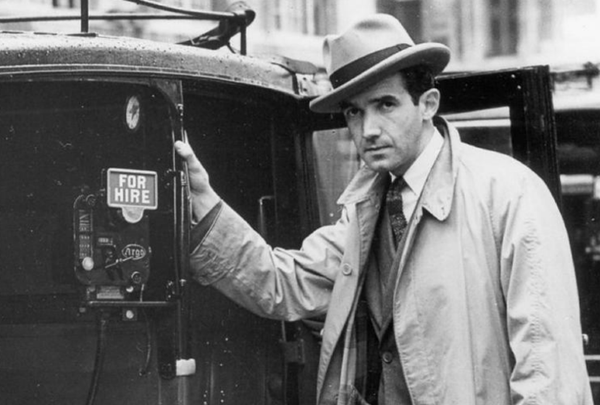
A report from a federal agency told American broadcasters in 1949 to cover controversial public issues and to carry opposing views, and no Congress ever voted that rule into law.
Telecom 150
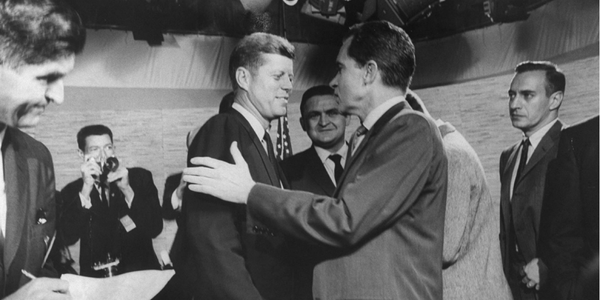
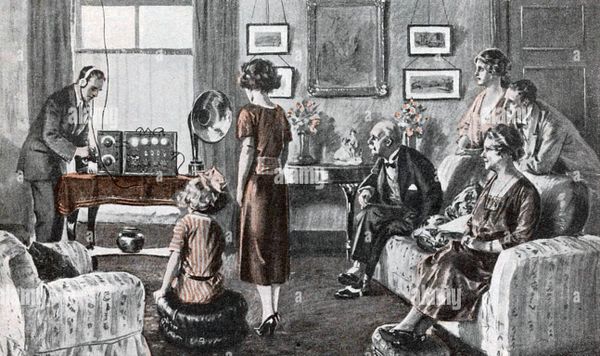
Newton Minow, Kennedy’s FCC chairman, warned in 1961 that broadcasters risked losing their licenses if they neglected educational and other public-service programming.
Telecom 150
Event will begin at 12 Noon ET, and include two virtual panels, on innovation and competition.
Telecom 150

Telecom 150
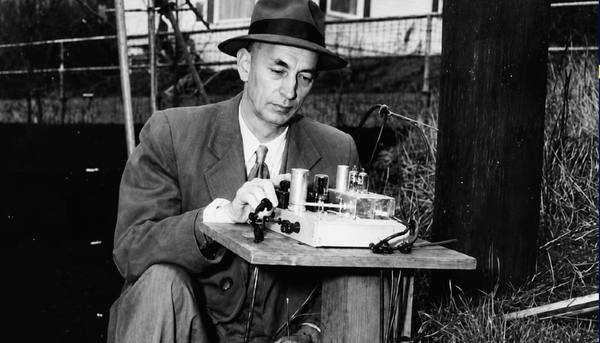
The system worked while radio was dominated by ships and point-to-point communication. Mass broadcasting in the 1920s exposed what Congress had left unresolved.
Telecom 150
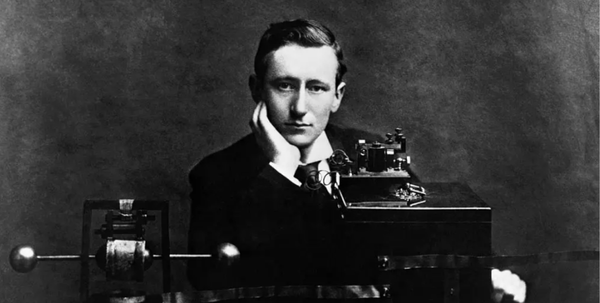
The Titanic sank in April 1912, Congress required a federal license to transmit four months later, and the Navy seized or shut every private radio station in the country when the country entered the war in 1917.