CDT's Miranda Bogen Presses for AI Audits That Can Change Company Behavior
Former Meta responsible-AI lead says outside testing alone won't make frontier models safe.

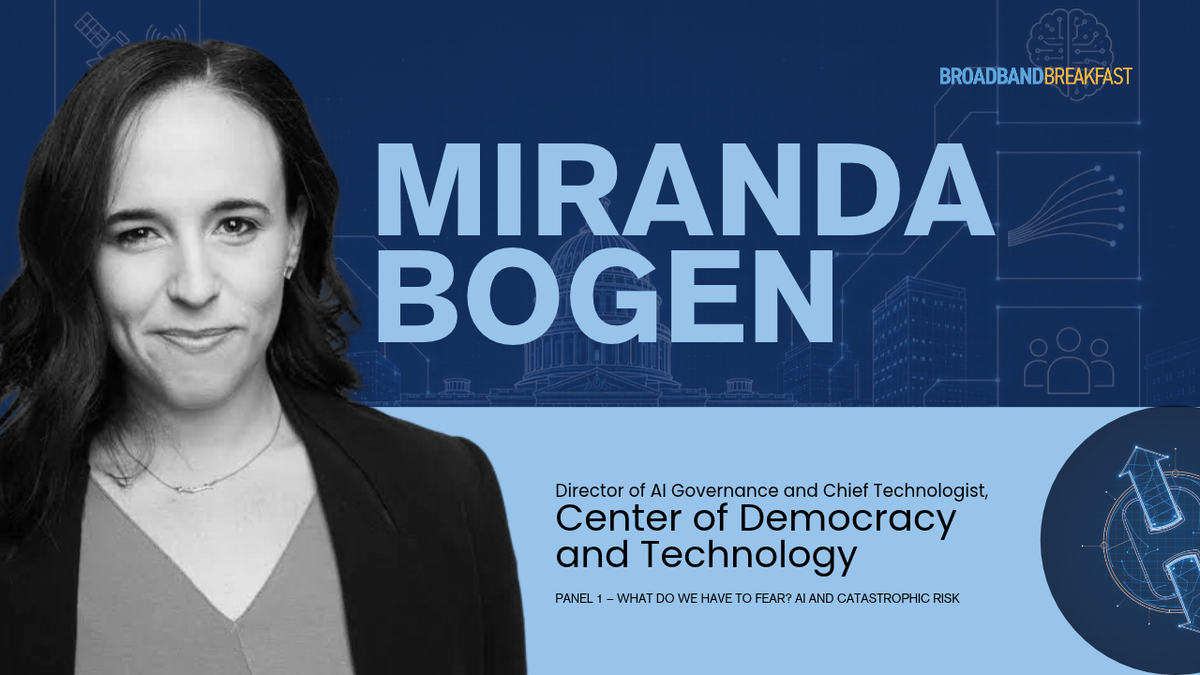
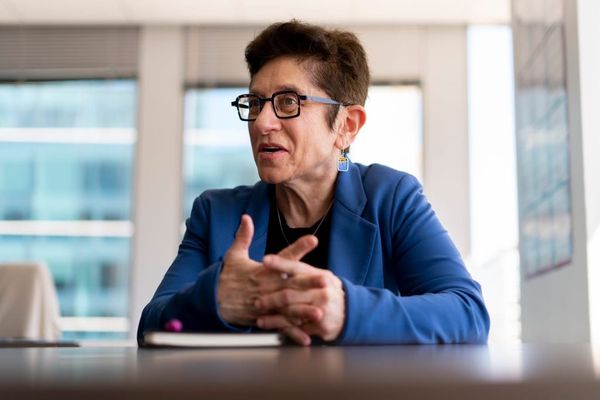
WASHINGTON, Nov. 26, 2026 – Frontier AI labs now say they want outside evaluators checking their models. Miranda Bogen wants to know what happens when those evaluators find a problem.
The founding director of the Center for Democracy & Technology's AI Governance Lab, and its chief technologist, joins Panel 1, "What Do We Have to Fear? AI and Catastrophic Risk," at Broadband and AI in the Next Congress on Dec. 1.


From critic to insider and back
Her career spans both sides of the table. As a policy analyst at Upturn, she co-authored research showing how Facebook's ad delivery could lead to biased outcomes. She later led responsible AI strategy at Meta, including efforts to measure and reduce bias in its products.
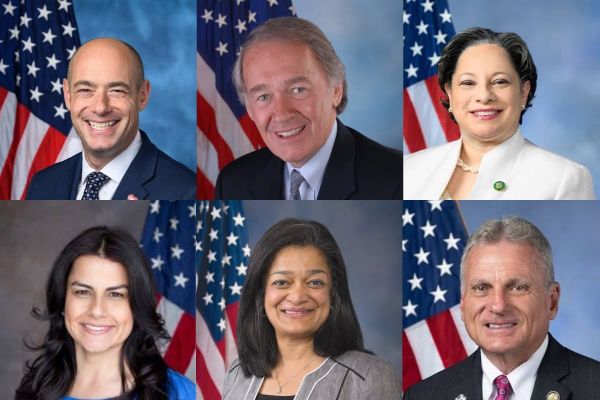
Third-party assessment is suddenly popular. OpenAI backs the bipartisan FRONTIER Act from Reps. Lori Trahan, D-Mass., and Jay Obernolte, R-Calif., which would embed outside evaluators in frontier labs. Anthropic and Microsoft have floated similar ideas.
Testing alone is not enough, in her view. Outside testers "can't change companies' behavior without a complementary suite of tools," she told The Deep View in September, citing the limits of third-party checks in finance and aviation.
A September CDT paper she co-wrote warns about capture and "regulatory moats." It also notes that industry proposals mostly target catastrophic risk, which may miss harms to civil rights and liberties.
OpenAI's Caroline Zier sits on the same panel, along with Rachel Appleton of Reflection AI and Elizabeth Chernow of Comcast. The Washington Post's Cat Zakrzewski moderates.
What to watch at 'Broadband and AI in the Next Congress'
- Does a Democratic House pair audits with mandatory fixes when models fail?
- Who licenses the auditors, and who pays them?
- Can one framework cover both catastrophic risk and everyday harms?
Sign up for Broadband and AI in the Next Congress on Dec. 1.